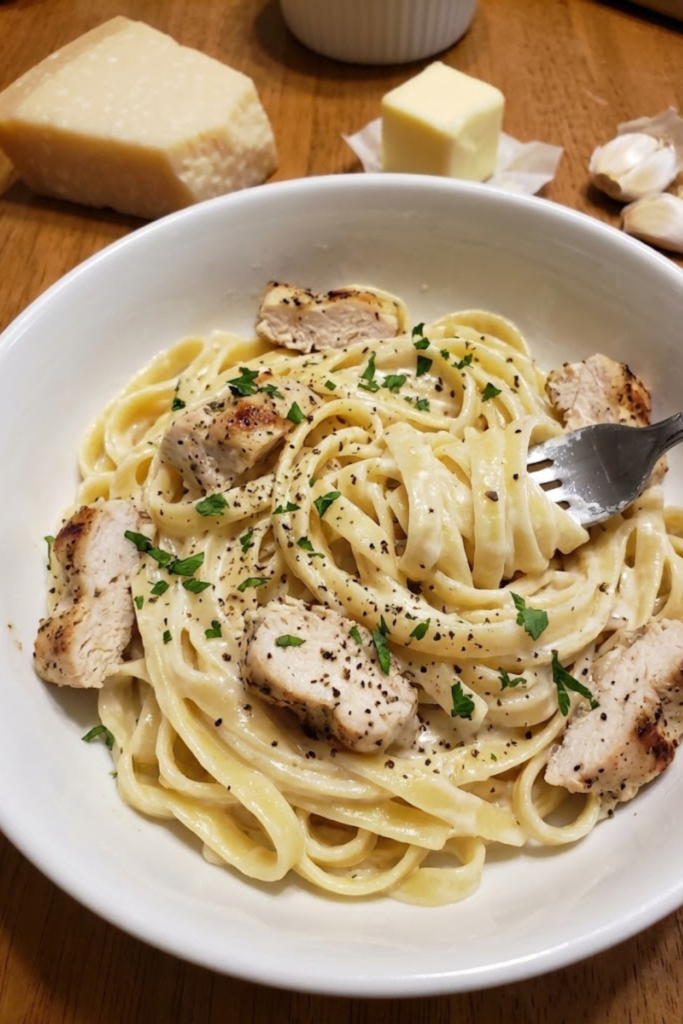
Did you know that nearly 75% of people choose pasta as their “last meal” if they had to pick? I totally get it. There is something about a big bowl of chicken alfredo pasta that just hugs your soul. I remember the first time I tried to make this for a date back in the day. It was a complete disaster! The sauce broke, the chicken was like rubber, and we ended up ordering pizza.
But hey, I’ve spent years fixing those mistakes. This version is thick, rich, and better than that famous garden restaurant. We are talking about heavy cream, real butter, and enough garlic to keep vampires away for a week! Let’s dive into the creamy goodness.
Choosing the Best Pasta for Your Alfredo Sauce
I used to think any box of noodles in the pantry would work for dinner. Boy, was I wrong! One time I tried making chicken alfredo pasta with thin spaghetti because it was all I had left. The sauce just slid right off the noodles and puddled at the bottom of the bowl like a sad soup. It was so hard to see all that liquid gold go to waste while we ate plain-looking noodles. You really need the right shape so the cream stays where it belongs—on the pasta!
Why Surface Area Matters
When you are picking out your pasta at the store, look for the wide ribbons. Most people use fettuccine, and there is a big reason for that. Think of the noodle like a little slide. A wide, flat noodle gives the heavy cream and butter a big space to hang onto. If you use something thin like angel hair, the sauce is just too heavy for the noodle to carry. It will end up a big, clumped-up mess that doesn’t taste right. I have tried using penne before too, and while the tubes catch some sauce inside, it still isn’t as good as those long, flat ribbons.
Salt Your Water Like the Sea
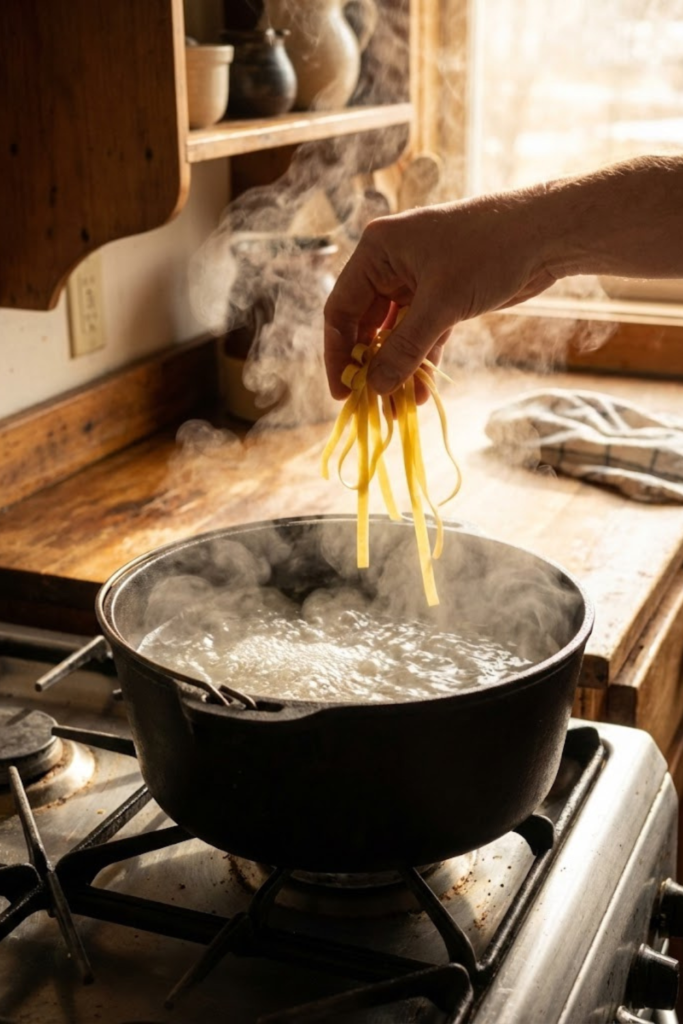
This is a huge tip I tell everyone. If you don’t put enough salt in your boiling water, your pasta will be bland. You can’t just add salt to the sauce later and expect it to taste the same. The salt needs to get inside the noodle while it cooks. My rule is that the water should taste like the ocean. I usually toss in about a tablespoon of salt once the water starts boiling. Don’t worry, most of it stays in the water and goes down the drain, but it makes a massive difference in how the final dish tastes.
Getting the Texture Right
The biggest mistake is boiling the pasta for too long. My kids used to call my overcooked noodles “wet cardboard,” and they were right. It was gross. To make sure this doesn’t happen to you, pull your pasta out about two minutes before the box says it is done. It should still have a little bit of a “bite” to it. We call this al dente. Since you are going to toss the noodles into the hot sauce pan later, they will finish cooking there. If they are already soft when they leave the water, they will turn into mush once the cream hits them. Trust me, nobody wants mushy alfredo!
How to Get Juicy Chicken Every Time
Cooking chicken for my chicken alfredo pasta was always the part I messed up the most. For a long time, I was so scared of serving raw meat to my family that I would cook it until it was as hard as a rock. My poor kids had to chew each piece for like a minute just to swallow it! It was embarrassing. But after a lot of trial and error, I figured out how to get it perfectly tender and juicy. It is not as hard as it looks, but you have to change how you think about the stove.
The Secret of the Thin Cutlet
One of the biggest problems is that chicken breasts are usually huge and thick on one side. If you just throw the whole thing in the pan, the outside gets dry before the middle is even done. What I do now is slice the breast in half horizontally. This gives you two thinner pieces that cook way faster and more even. I also use a meat mallet to bash them down a little bit so they are all the same thickness. This simple step changed everything for my chicken alfredo pasta. If the meat is all the same size, you don’t end up with one piece that is burnt while the other is still pink. It makes the whole cooking process much smoother.
Seasoning for Real Flavor
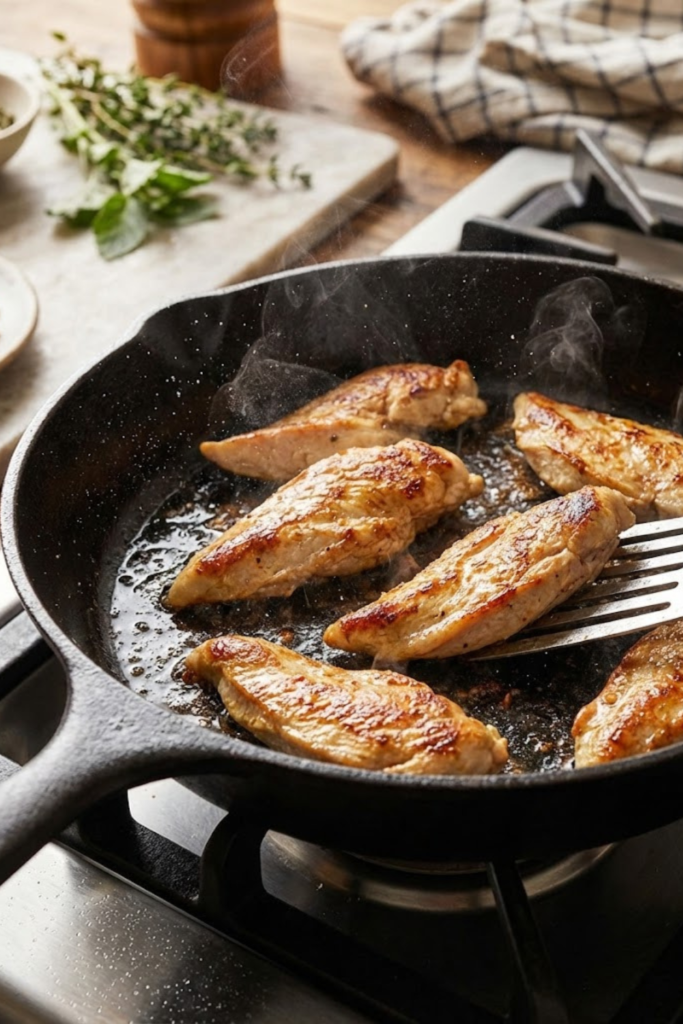
Don’t just use salt and pepper. I mean, those are fine, but if you want that restaurant taste, you need more. I like to use garlic powder, onion powder, and a tiny bit of paprika. The paprika helps the chicken get a nice brown color when it hits the pan. I rub the spices in with a little bit of olive oil so they stick well. Make sure your pan is good and hot before you put the meat in. If it doesn’t sizzle loudly, it is not ready! You want that sound to know the heat is right. I used to be impatient and put the meat in a cold pan, which just makes it soggy and grey.
Let It Sit and Sear
This is the hardest part for me because I always want to move things around. You have to leave the chicken alone! Put it in the hot pan and let it sit there for about four or five minutes. If you try to flip it and it sticks, it means it has not formed that tasty crust yet. Just wait another minute. Once it releases easy, flip it over. This crust locks in the juices and gives your chicken alfredo pasta a much better texture. I usually use a cast iron skillet because it holds the heat so well. Just keep an eye on it so it doesn’t get too dark! Using a meat thermometer is also a great idea so you can stop cooking as soon as it hits 165 degrees.
The Secret to a Silky Garlic Parmesan Sauce
This is the part where most people start to get nervous. I get it! Making a sauce from scratch feels like a big scary task, but it is actually pretty simple if you don’t rush it. You just need a little bit of patience and a whole lot of cheese. For years, I struggled with sauce that was either too thin and watery or so thick it turned into a giant glob of glue. I remember one time I tried to make this for a potluck and it looked like an oily swamp by the time we got there. It was so embarrassing that I almost hid the bowl under the table! But after practicing a bunch, I figured out the tricks to keep it smooth.
Ditch the Green Shaker Can
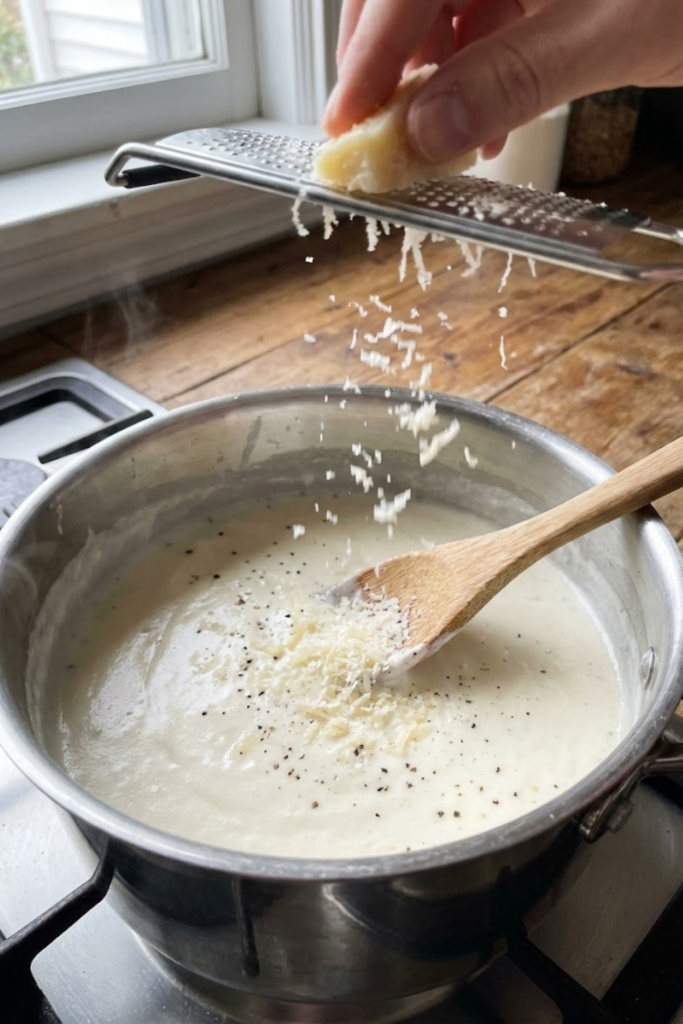
If there is one thing I can’t stress enough, it is this: please do not use that green shaker can of “cheese.” I know it is cheap and easy, but it is the enemy of a good chicken alfredo pasta. That stuff is filled with fillers that stop it from melting properly. Instead of a smooth sauce, you end up with something that feels like gritty sand in your mouth. I learned that lesson the hard way during a fancy Sunday dinner. Now, I always buy a block of real Parmesan cheese and grate it myself. It takes about five minutes, but the way it melts into the cream is like magic. It makes the sauce feel like velvet instead of sandpaper.
Temperature is Everything
The biggest mistake people make is keeping the heat too high. If your sauce starts boiling like crazy after you add the cheese, it is going to “break.” That just means the fat separates from the solids, and you get a layer of yellow oil floating on top. It looks gross and tastes even worse. What I do now is melt my butter and simmer the heavy cream on low heat. Once it is hot and slightly bubbly, I actually turn the stove off before I stir in the cheese. The leftover heat is plenty to melt the Parmesan. This keeps everything together and makes sure your chicken alfredo pasta stays perfectly creamy.
The Garlic and Butter Foundation
I like to start my sauce by melting a good amount of unsalted butter and throwing in at least four or five cloves of minced garlic. Don’t let the garlic turn brown! If it gets brown, it gets bitter, and it will ruin the whole flavor. Just cook it until you can smell it through the whole house. Then, pour in your heavy cream. I don’t use milk because it’s just not thick enough. You want that rich, heavy cream to get the best result. Sometimes I add a tiny pinch of nutmeg too. It sounds weird, but it really brings out the flavor of the cheese. Just keep whisking slowly and you will see it all come together.
Tips for Reheating Without the Greasy Mess
Let’s be real for a second—leftover chicken alfredo pasta usually looks pretty gross the next day. You open the fridge and see a cold, hard block of noodles stuck together with what looks like white wax. I used to just throw the whole container in the microwave for three minutes and hope for the best. Big mistake! All that happened was the butter separated from the cream, and I ended up with a puddle of yellow oil at the bottom and dry, rubbery chicken on top. It was so disappointing when I was hungry for a good lunch. I’ve ruined more meals than I care to admit before I finally figured out how to fix this.
Why the Microwave is Usually the Enemy
The problem with a microwave is that it heats things way too fast. For a delicate sauce like this, high heat is like a punch to the face. It causes the fat in the cheese and butter to break away from the liquid. If you absolutely have to use a microwave at work, don’t just press “start” and walk away. You have to be patient. I found that heating it in 30-second bursts is the only way to go. After every burst, you need to give it a good stir. This helps distribute the heat so one part doesn’t get oily while the rest stays cold like an ice cube. It takes longer, but at least your chicken alfredo pasta will actually be edible and stay together.
The “Splash of Milk” Trick
This is the most important tip I can give you. Before you even start heating your leftovers, add a tiny splash of milk or even a little bit of heavy cream to the bowl. About a tablespoon is usually enough for a single serving. This extra moisture helps the sauce come back together and stay creamy instead of turning into a grease slick. If you don’t have milk, even a teaspoon of water is better than nothing. I also like to cover the bowl with a damp paper towel. This creates a little steam room for the noodles so they don’t dry out and turn into straw. It really makes a huge difference in the final texture.
Storing Your Leftovers Right
How you put your food away matters just as much as how you heat it up. If you know you are going to have leftovers, try not to let the pasta sit out on the counter for too long. Once it cools down a bit, get it into an airtight container. If the noodles sit in the sauce for too long while they are still hot, they will soak up every drop of moisture. Then, by the next morning, you have no sauce left! I try to eat my leftover chicken alfredo pasta within two days. Any longer than that and the chicken starts to get a weird taste that no amount of garlic can hide.
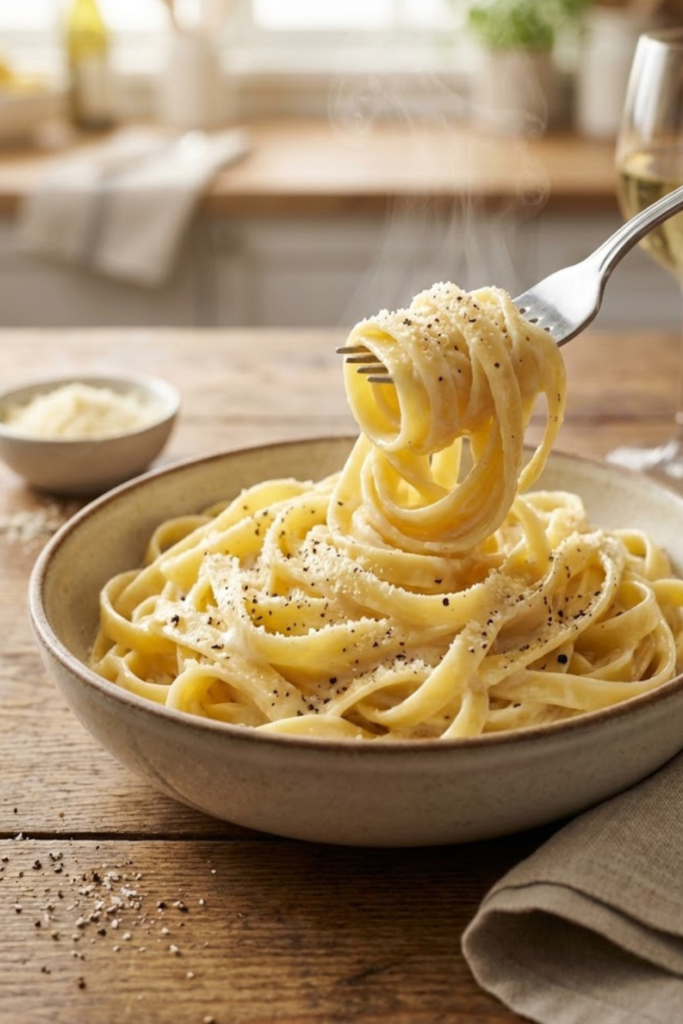
Wrapping up a big pot of chicken alfredo pasta is always a good feeling. It is one of those meals that makes the house smell like a fancy Italian kitchen. I honestly believe that anyone can make this dish if they just slow down and follow the steps. For a long time, I thought I was just a bad cook because my pasta always turned out weird. But once I figured out that using fresh cheese and not overcooking the meat were the real secrets, everything changed. Now, this is the meal my kids ask for every single birthday. It makes me feel like a hero even though it only takes about thirty minutes to throw together.
Putting It All Together
The best part about this whole process is seeing the sauce thicken up and coat the noodles perfectly. When you finally toss that juicy chicken back into the pan, it all starts to look like something you would pay twenty dollars for at a restaurant. I always feel a little bit of pride when I set the bowl down on the table and see the steam rising. If your sauce feels a little too thick at the end, don’t panic! Just add a tiny bit of that salty pasta water you saved. It helps the sauce stay silky and smooth. I’ve had to do that more times than I can count, and it works every single time to fix the texture.
Why This Dish is a Family Favorite
I think people love chicken alfredo pasta because it is just pure comfort. There is something about the mix of garlic, butter, and cream that makes everyone feel happy. In my house, we usually serve it with a big side of garlic bread because we love carbs. Even my pickiest eaters, who usually hate everything I cook, will finish their whole plate when I make this. It is a great meal for a busy Tuesday night, but it also feels special enough for a date night. I remember making this for my husband on our anniversary, and he still talks about how much better it was than the meal we had at the steakhouse downtown.
Share Your Pasta Success
I really hope these tips help you make the best dinner ever. Cooking shouldn’t be stressful, and it is okay if you make a few mistakes along the way. I definitely did! If your sauce breaks the first time, just try again next week. You will get the hang of it. If you tried this and loved how it turned out, please share it on Pinterest so your friends can see it too! I love seeing photos of what other people are cooking in their own kitchens. It is so much fun to share the love for a good, creamy bowl of pasta. Happy cooking, and I hope you enjoy every single bite of your homemade meal!