Ever bite into a piece of beef so dry it felt like chewing on an old leather shoe? I have, and let me tell you, it is absolutely tragic! But there is a better way. This crockpot pot roast recipe isn’t just food; it’s a warm hug on a cold day. We are going to transform a tough, humble cut of meat into something so tender it falls apart if you even look at it wrong. Whether you are a busy parent needing a “set it and forget it” miracle or just craving classic comfort food, I’ve got you covered. Get ready to fill your kitchen with the most incredible aroma imaginable!
Choosing the Best Cut of Beef for Slow Cooking
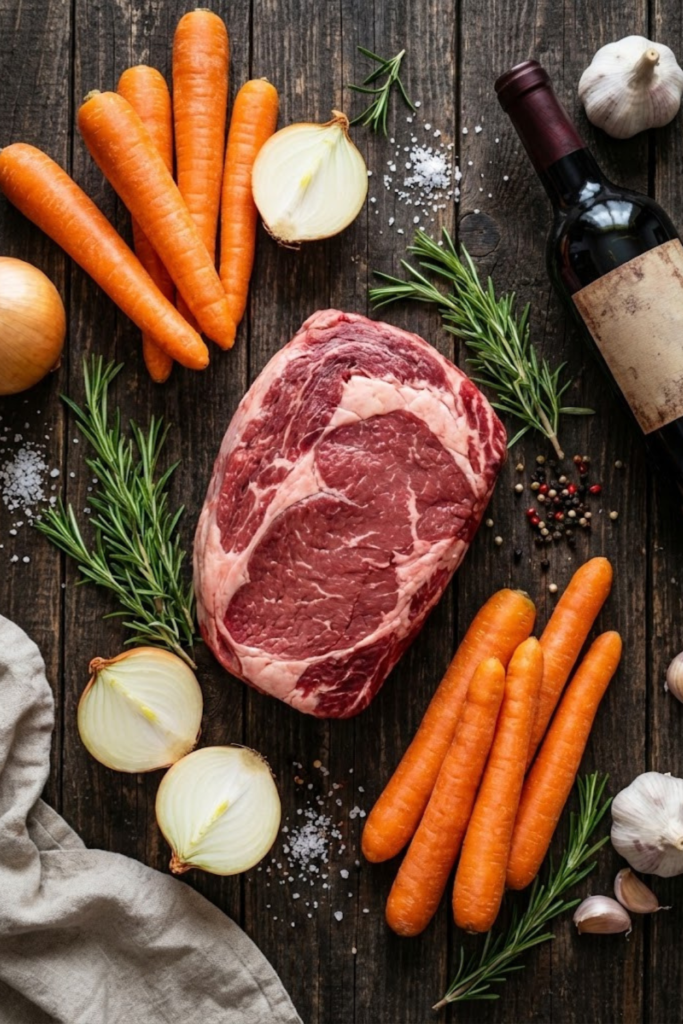
I’ve spent a lot of years standing in front of the meat case at the grocery store, just staring at all the different plastic-wrapped packages. It can be pretty confusing if you don’t know what you’re looking for. I used to think that the prettiest, most expensive cut of beef would make the best dinner. I learned the hard way that this is definitely not true for slow cooking. If you buy a fancy, lean cut, you are going to be very disappointed when you open that lid at the end of the day. For a pot roast that really hits the spot, you actually want the tough stuff.
Why the Chuck Roast is the Top Choice
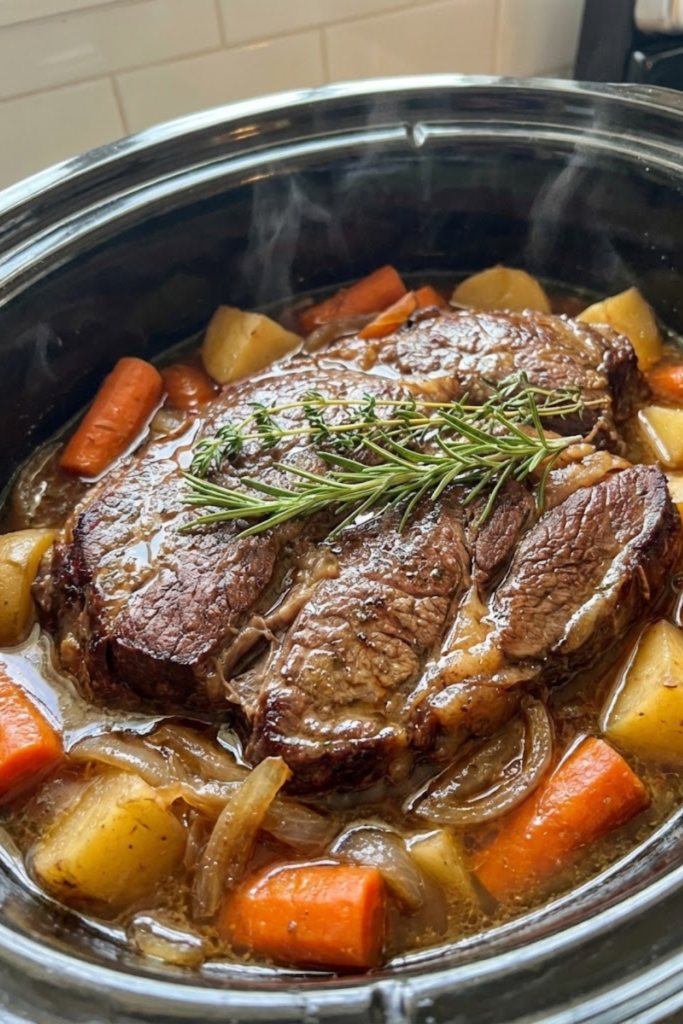
For a great pot roast, you want to buy a chuck roast. This cut comes from the shoulder area of the cow. Because those muscles move a lot, the meat is naturally tough and full of connective tissue. That might sound bad, but for us, it is perfect. Inside that tough meat is something called collagen. As it sits in the heat for eight or nine hours, that collagen slowly melts away. It turns into a silky liquid that keeps the beef moist. I always tell people that the crockpot is like a magic machine that turns cheap meat into a gourmet meal. If you try to use a lean loin roast, it will just get dry and stringy because there is no collagen to save it. You’ll end up with meat that tastes like a gym shoe.
Look for Good Marbling
When you are picking your meat, don’t just grab the first one you see. Look for the white flecks of fat inside the red muscle. We call this marbling. I like to pick the roast that looks like it has a spiderweb of white lines all through it. This fat is where all your flavor lives. As the pot heats up, that fat renders out and seasons the beef from the inside out. If the meat is solid red, it is going to taste pretty bland. A little extra fat is your friend here. I usually look for a piece that is about three or four pounds so it fits well in a standard cooker.
What About Other Cuts?
If your store is out of chuck roast, you can look for a bottom round or a rump roast. These are okay backups, but they aren’t quite as good as the shoulder. They are a bit leaner, so they don’t get quite as “fall-apart” tender. I usually stick with the chuck because it is more forgiving. Even if you leave it in the pot an extra hour while you’re busy with work, it usually stays juicy. Also, deciding between bone-in or boneless is up to you. I find boneless is easier to slice, but bone-in can add a little more depth to your broth. Just make sure the roast you pick isn’t too tall for your lid to close tightly!
Essential Ingredients for a Savory Flavor Profile
While the beef is definitely the star of the show, it can’t do all the heavy lifting by itself. Think of the other ingredients like the supporting cast in a school play. If they aren’t doing their job, the whole performance kind of falls flat. Over the years, I have tried a lot of different combinations in my own kitchen, and I’ve found that keeping things simple but high-quality is the real secret. You want flavors that build on each other while the pot sits on your counter all day.
The Veggie Foundation
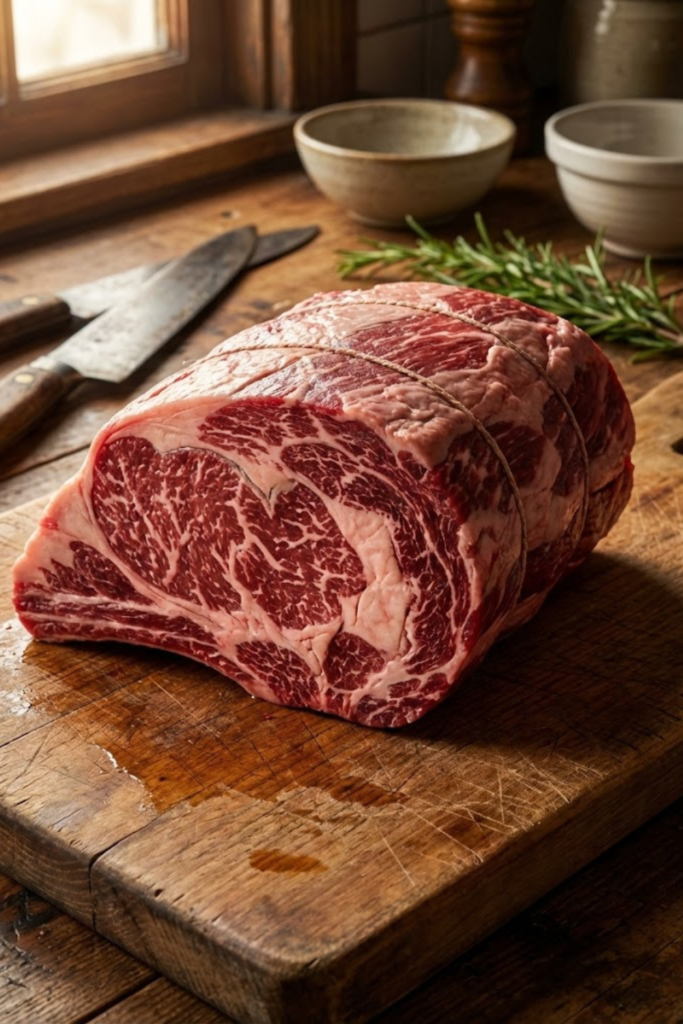
Every good pot roast starts with what I like to call the “holy trinity” of vegetables: onions, carrots, and celery. I usually go with yellow onions because they get really sweet and soft as they cook down for hours. For the carrots, please try to avoid those little baby carrots you get in the plastic bags. They are convenient, but they don’t have much flavor. Instead, buy the big, whole carrots, peel them yourself, and cut them into large chunks. If you cut them too small, they will turn into mush long before the meat is actually done. Celery adds a nice earthy depth that you won’t really notice is there, but you’ll definitely notice if it’s missing from the finished dish.
Fresh Herbs vs. Dried
I’m going to be completely honest with you—for a long time, I just grabbed the dusty jars of dried herbs from the back of my pantry. It tasted fine, but once I finally switched to using fresh rosemary and thyme, my family actually noticed a huge difference. Fresh herbs have natural oils that stay bright and fragrant even after eight hours of heat. I usually just lay a few whole sprigs of rosemary and thyme right on top of the roast. By the time it’s finished, the leaves have mostly fallen off into the sauce, and you can just pull out the woody stems. It makes your whole house smell like a professional kitchen.
The Secret Liquid and Umami
Don’t just use plain water to cook your roast! That is a huge mistake that leads to bland meat. You need a good beef broth as your liquid base. If I have a half-bottle of red wine sitting around, I’ll throw a splash of that in too because the acid helps break down the tough parts of the beef. Then, I add my “secret” ingredients for that deep, savory taste. A few shakes of Worcestershire sauce and a big tablespoon of tomato paste do wonders. Some people even use a little bit of soy sauce. These things add “umami,” which is just a word for that rich, savory flavor that makes everyone want to go back for seconds.
To Sear or Not to Sear: The Maillard Reaction
A lot of people ask me if they really need to brown the meat before putting it in the crockpot. I’ll be honest, there are some mornings where I’m running late and I just want to throw everything in and get out the door. But, if you have an extra ten minutes, you should really try to sear that beef. It makes a huge difference in how the final dish tastes. My family can always tell when I’ve skipped this step because the gravy doesn’t look as dark or taste as rich.
What is the Maillard Reaction?
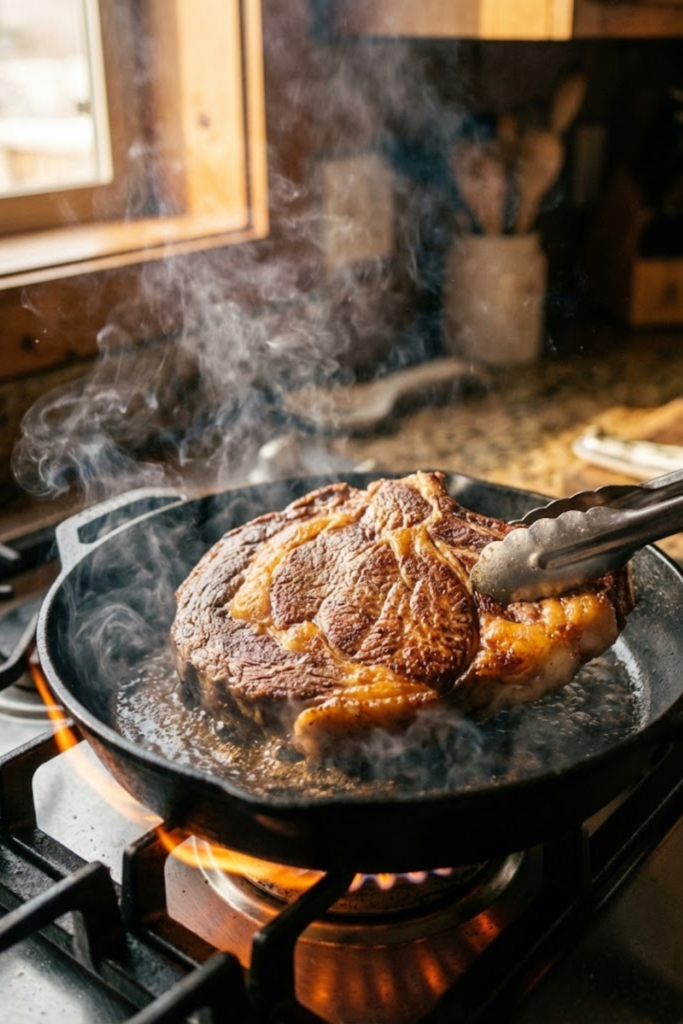
Now, don’t let the big name scare you off. This is just a fancy science term for what happens when meat hits a hot pan. When the surface of the beef gets to a high temperature, the proteins and sugars react together. This creates a brown crust that is packed with flavor. Some folks think searing “seals in the juices,” but that’s actually a myth I learned a long time ago. The juice still moves around, but that crust adds a deep, savory taste that you just can’t get from just steaming the meat inside the slow cooker. It is the secret to a professional-tasting dinner.
Choosing the Right Oil and Heat
To get a good sear, you need your pan to be really hot. I like using a heavy cast iron skillet if you have one. You also need an oil that won’t smoke up your whole house and make your eyes water. I usually use avocado oil or just plain vegetable oil. Don’t use butter or extra virgin olive oil here because they burn way too fast at high heat. You want to hear a loud sizzle the moment the meat touches the pan. Leave it alone for about three or four minutes on each side until it looks dark brown. Don’t worry if it looks almost burnt; that’s where the best flavor is.
Don’t Leave the Good Bits Behind
After you move the meat into the crockpot, look at your frying pan. See those little brown stuck-on bits at the bottom? That is like flavor gold. You don’t want to wash that down the sink! Pour a little bit of your beef broth or even a splash of red wine into the hot pan while it’s still on the stove. Use a wooden spoon to scrape all those bits off the bottom. This is called deglazing. Once the liquid is boiling and the pan looks clean, pour all of that liquid right over the roast in your slow cooker. It’s a small step, but it’s how you make sure the gravy is top-notch.
Step-by-Step Slow Cooker Instructions
Now that you have your meat seared and your veggies chopped, it’s time to actually load up the pot. I used to think the order didn’t really matter, but I’ve learned over the years that how you stack things really changes how dinner turns out. If you just toss it all in a big pile, you might end up with meat that’s finished but potatoes that are still way too hard to eat. It’s all about working with how the heat moves inside the machine.
Layering for the Best Results
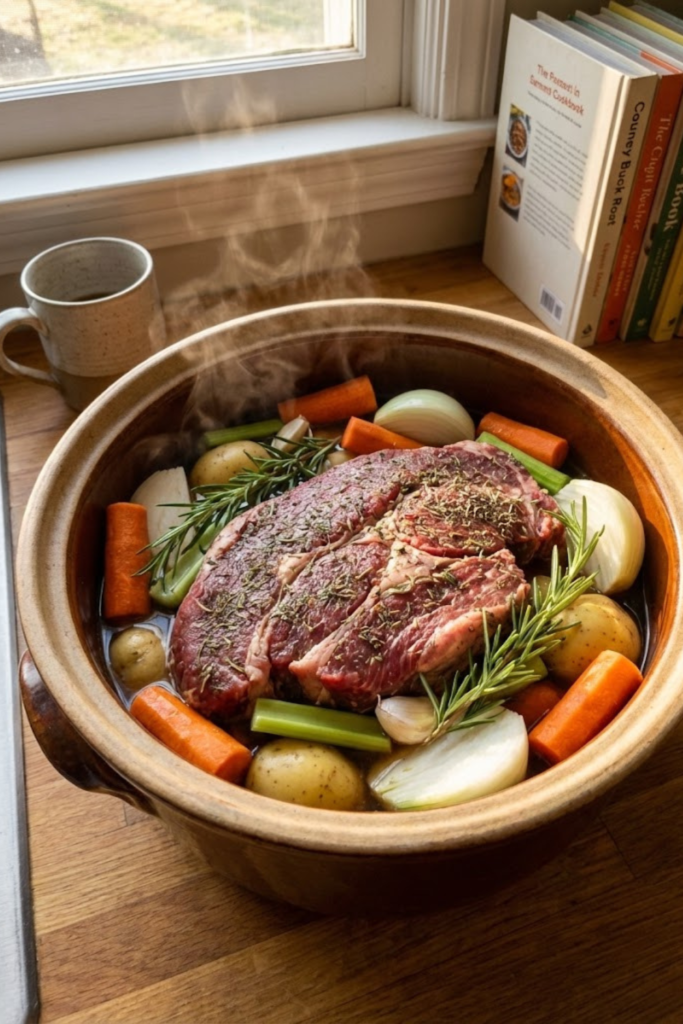
I always start by putting my “hard” vegetables at the very bottom. I’m talking about your potatoes, carrots, and onions. The reason for this is pretty simple: the heat in a slow cooker usually comes from the bottom and the sides. Since root vegetables are much denser than meat, they need to be closest to that heat source to get soft. If you put the meat on the bottom and the veggies on top, your roast will be done way before the carrots are ready. Make a nice, flat bed of vegetables first, and then rest your seared beef right on top. This also keeps the meat from sitting directly on the hot bottom of the pot, which helps it cook more evenly.
Low and Slow is the Way to Go
Most crockpots give you two main settings: Low and High. I almost always choose the Low setting. To get that “fall-apart” texture we all want, you really need time. If you cook it on High for four or five hours, the meat might be safe to eat, but it will probably feel a bit tough or stringy. When you go Low for eight or nine hours, it gives the beef plenty of time to relax and get tender. I usually start mine in the morning before work, and by the time I get home, the whole house smells incredible. It’s the best feeling to walk in and know the hard work is already done.
The Golden Rule: Don’t Peek!
I know it’s hard, but you have to leave that lid alone. It’s so tempting to open it up to give things a stir or just to get a better smell, but try to resist the urge. Every time you lift the lid, a huge amount of steam and heat escapes. Because slow cookers use such low heat, it takes a long time for the pot to get back up to the right temperature. If you keep opening it, you could end up adding an extra hour to your wait time. Just trust that the machine is doing its job and keep the lid closed until you’re finally ready to eat.
Making the Perfect Gravy from Drippings
After the meat is finished and you pull it out of the pot to rest on a cutting board, you are left with a whole bunch of liquid in the bottom of your crockpot. This stuff is basically liquid gold, but right now, it looks more like a thin, oily soup than a proper gravy. I’ve seen some people just pour this watery liquid over their plate, and honestly, it’s such a missed opportunity! You want a thick, glossy sauce that actually sticks to your potatoes and meat. Making gravy from the drippings is my favorite part because it feels like a little science experiment right in my kitchen.
Cleaning Up the Juices
First things first, you need to get the liquid out of the crockpot. I always set a fine mesh strainer over a big bowl or a large glass measuring cup. Pour everything through that strainer carefully. This catches the soggy herb stems, bits of onion, and any little scraps of meat that fell off during the day. Now you have a clean liquid to work with. You will probably notice a thick layer of oil floating on the very top. That is the rendered fat from the beef. I try to skim most of that off with a big spoon because too much fat makes the gravy feel greasy on your tongue. If you have one of those fat separator cups, it makes this job much easier, but a regular spoon works just fine if you stay patient.
The Magic of the Slurry
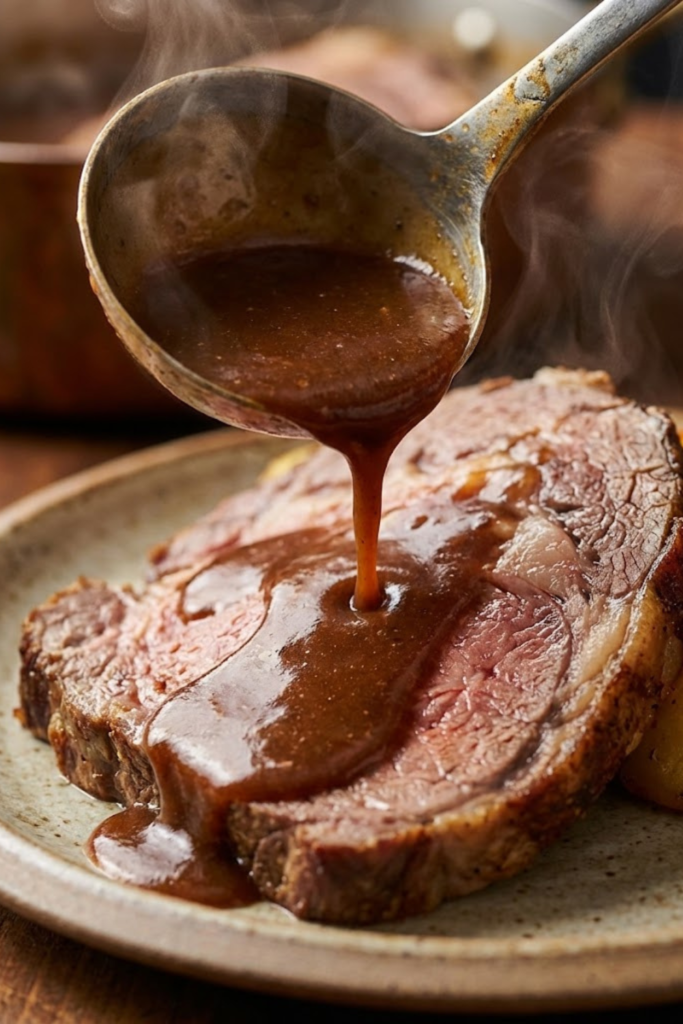
To make the sauce thick, you need to make what we call a “slurry.” This is just a simple mix of cold water and cornstarch. I usually take about two tablespoons of cornstarch and mix it with two tablespoons of cold water in a small cup. Stir it until it looks like white milk. Here is a big tip: never ever throw dry cornstarch directly into the hot liquid! It will turn into little white lumps that look like tiny pieces of rubber, and you will never get them out. Pour your strained juices into a small saucepan on the stove and get it bubbling. Slowly whisk in your slurry. You will see it change from a cloudy brown to a dark, shiny gravy almost instantly. It’s actually pretty fun to watch.
The Final Taste Test
Before you turn off the stove, you have to taste it. This is the moment where you can really make it your own. Sometimes the flavor needs a bit more salt, or maybe a lot of cracked black pepper. If the color looks too light or pale, I sometimes add a tiny drop of gravy browning or even a bit of soy sauce to make it that deep, rich brown color. If it ends up too thick, just whisk in a splash more beef broth to thin it out. Once it’s perfect, pour it into a warm gravy boat. There is nothing better than seeing that thick, savory sauce run down a big pile of mashed potatoes.
Serving Suggestions and Storing Leftovers
Once that timer finally goes off and your house smells like a dream, it is time to get everything onto the table. I always feel a little bit of pride when I lift that lid and see the meat just falling apart. But before you start grabbing plates, there are a few little tricks I use to make the meal feel really special. It’s not just about the meat; it’s about how you put the whole plate together to make sure everyone leaves the table full and happy.
The Best Side Dishes for Sopping Up Gravy
You’ve spent all day making that incredible gravy, so you definitely need something to catch every last drop. In my house, mashed potatoes are the law. I like to make them with plenty of butter and a splash of milk so they are extra creamy. My kids always make a little “well” in their potatoes to hold a lake of gravy. If you aren’t in the mood for peeling potatoes, a loaf of crusty French bread or some soft dinner rolls work great too. I also usually put a simple green salad on the side with a sharp vinaigrette. The vinegar in the salad helps cut through the heavy, rich flavor of the beef, which makes the whole meal feel a bit more balanced.
Shredding vs. Slicing for Presentation
How you serve the meat usually depends on how long you let it cook. If you followed my advice and went for the full nine hours on low, the roast will probably be so tender that you can’t even slice it. In that case, I just take two large forks and gently pull the beef into big, chunky shreds. If the roast is still holding its shape, you can move it to a cutting board and slice it. Just make sure you slice “against the grain,” which means cutting across those long lines you see in the meat. This makes the beef much easier to chew. I like to put the meat in the middle of a big platter and pile those colorful carrots and potatoes all around the edges.
Dealing with Leftovers and Freezing
One of the reasons I love making a big three-pound roast is that it usually means I don’t have to cook lunch the next day. I put my leftovers in a sealed glass container and keep them in the fridge. It stays fresh for about four days. To be honest, I think the flavor is even better the next day because the spices have had more time to soak into the meat. If you find yourself with too much left over, you can freeze it! I put the meat and a good amount of gravy into a freezer bag and squeeze out as much air as possible. It’s a total lifesaver on a busy Tuesday night when I don’t have the energy to start from scratch.
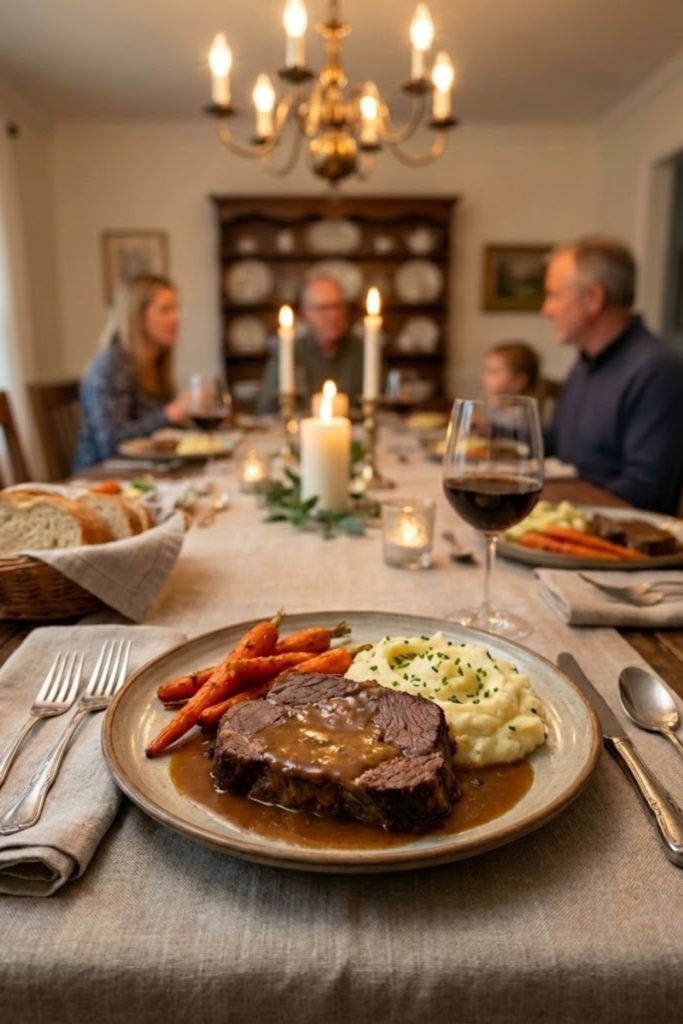
This crockpot pot roast is really the ultimate comfort food for a busy family. By starting with a good piece of chuck roast and having a little patience with the slow cooker, you can create a meal that tastes like you spent all day standing over a stove. It’s simple, it’s hearty, and it’s a recipe that never fails to bring my family together. I hope your dinner turns out just as delicious as mine! If you loved this recipe, please share it on Pinterest so your friends can try it too!