Have you ever tasted a dish so comforting that it feels like a warm hug on a rainy day? That’s exactly what Chicken Normandy (or Poulet à la Normande) brings to the table! Imagine tender chicken thighs braised to perfection in a rich, creamy sauce spiked with dry cider and apple brandy—it’s absolute magic!
Did you know that Normandy is known as the “land of the four C’s”: Camembert, Cider, Cream, and Calvados? This recipe combines three of them into one spectacular meal. I still remember the first time I tried to make this; I was terrified of lighting the Calvados on fire (flambé!), but the result was worth every second of anxiety. Whether you’re a seasoned chef or just looking for a cozy Sunday dinner, this French Apple Cider Chicken is going to blow your mind. Let’s dive into the delicious world of French country cooking!
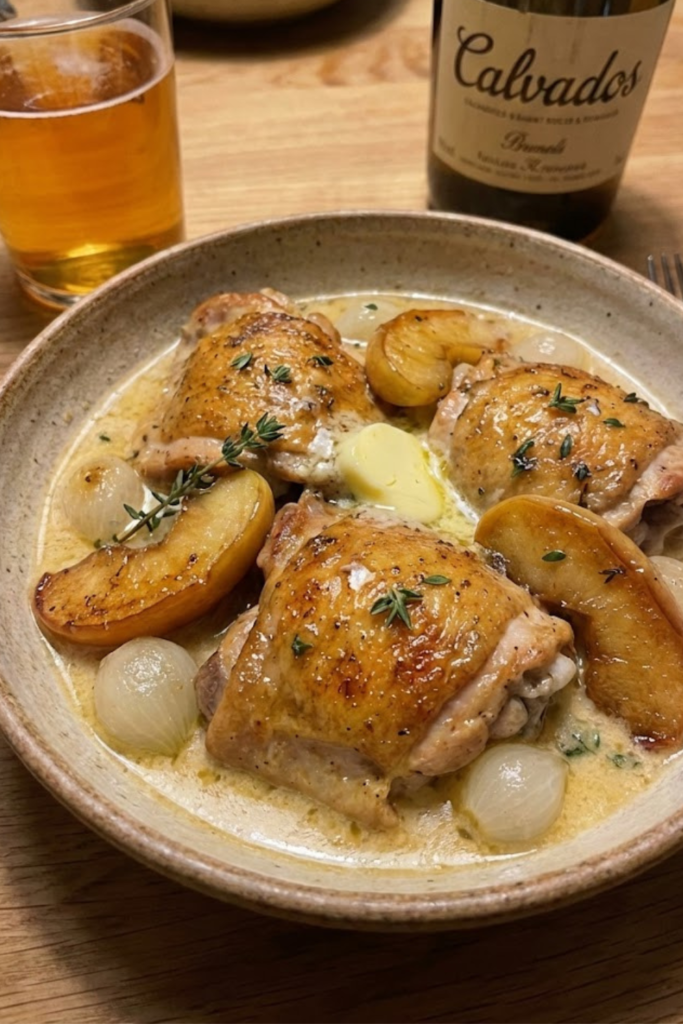
The Origins of Chicken Normandy
You know, food history is usually pretty dry, but when we talk about Chicken Normandy, it’s actually kind of juicy. I used to think all French food was about wine and fancy, tiny portions. I was dead wrong. When I finally dug into the roots of this dish, I realized it’s basically a love letter to the apple orchards of Northern France.
See, unlike the rest of France, Normandy is a bit too chilly for grapes. So, they didn’t make wine; they grew apples. Millions of them. French country cooking is all about using what you have right in your backyard. And for the folks in Normandy, that meant apples, dairy cows, and happy chickens running around.
A Happy Accident in the Orchard
I remember reading an old cookbook that described Poulet à la Normande not as a chef’s masterpiece, but as a peasant’s comfort. It makes sense, right? You’ve got these orchards producing tons of apples. You ferment them into cider. You distill that cider into Calvados (apple brandy). Then you braise your chicken in it.
It’s rustic. It’s messy. It’s delicious.
I actually tried to make this for the first time years ago without understanding the region. I used sweet apple juice from a carton because I couldn’t find dry cider. It was a disaster. It tasted like chicken candy. I learned the hard way that the history of this dish relies on the fermentation. The tartness of the hard cider cuts through the fat. That’s the balance the old-school French cooks perfected centuries ago.
The Land of the Four C’s
If you take one thing away from this history lesson, let it be the “Four C’s.” My culinary instructor used to hammer this into our heads. Normandy is famous for four things, and Chicken Normandy usually uses three of them (and sometimes all four if you’re feeling wild).
- Cider: The sparkling, dry kind.
- Calvados: The strong stuff. It brings a depth you can’t fake.
- Cream: The dairy there is legendary because the cows graze on salty, lush marshes.
- Camembert: The stinky, creamy cheese we all love.
Some modern versions actually melt Camembert into the sauce. I’ve tried it, and while it’s not strictly “traditional” in every village, it’s incredible. It feels like cheating, honestly.
From Farmhouse to Bistro
What started as a way to feed a hungry farm family eventually made its way into Paris bistros. It’s funny how that happens. Now, you’ll pay top dollar for authentic French cuisine like this in a restaurant, but at its heart, it’s still simple farmhouse food.
I love that about this recipe. It doesn’t ask you to be perfect. The apples get mushy? That’s fine, it thickens the sauce. The chicken skin isn’t perfectly crisp? Who cares, it’s covered in cream. It’s a forgiving dish that has survived wars and changing tastes because it just works. It’s the ultimate comfort food for a reason.
Whenever I make this now, I like to think about those original cooks in the 19th century, just trying to warm up on a cold, rainy coast, throwing apples and cream into a pot. They had no idea they were creating a classic.
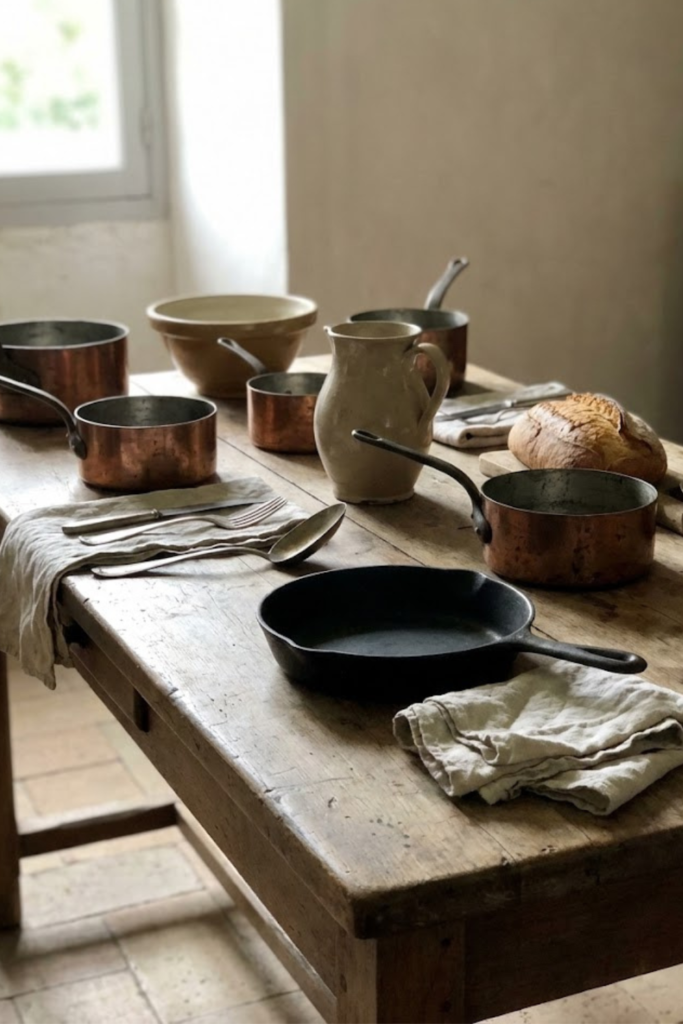
Essential Ingredients for Authentic Flavor
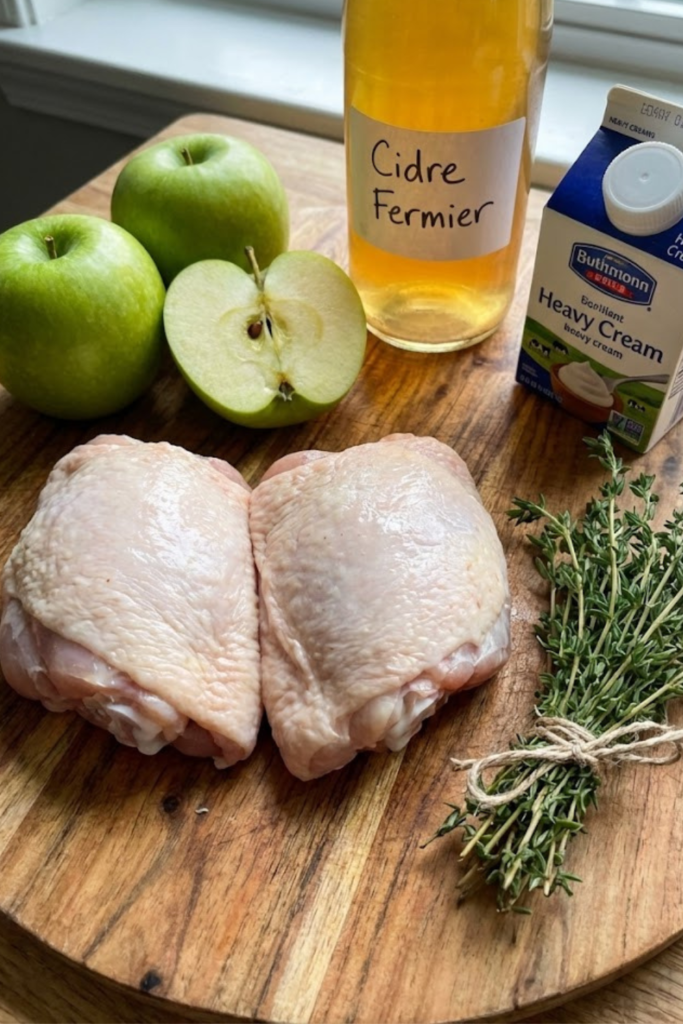
I used to think that as long as I followed the general idea of a recipe, it would turn out fine. I was wrong. The first time I tried to make Chicken Normandy, I substituted half the ingredients because I was too lazy to go to the liquor store. I used sweet apple juice instead of dry cider and boneless breasts instead of thighs. The result was a sad, sugary mess that looked nothing like the glossy photos I’d seen online.
If you want the real deal—that rich, creamy, savory goodness—you have to respect the ingredients. It’s not about buying the most expensive stuff, but buying the right stuff. Trust me, I’ve made the mistakes so you don’t have to.
The Chicken: Thighs or Nothing
Let’s be real for a second. Chicken breasts are great for salads, but they have no business in a braise. For a proper French Apple Cider Chicken, you need fat. I always reach for bone-in, skin-on chicken thighs.
Why? Because they can take the heat. You’re going to be searing them and then simmering them for a while. Breast meat just dries out and gets stringy, which is super frustrating after you’ve spent an hour cooking. Plus, the bone adds flavor to the sauce that you just can’t get otherwise. It’s a game changer.
The Apple Factor
Choosing the right apple is harder than it sounds. I once used Red Delicious because they were on sale. Big mistake. They turned into a gritty applesauce that made the whole dish texture weird.
You want an apple that can hold its own against the heat. Granny Smith is the go-to because the tartness cuts through the rich cream sauce perfectly. Braeburn is another solid choice if you want something slightly sweeter but still firm. You want chunks of apple in the final dish, not mush.
Liquid Gold: Cider and Calvados
Here is where 90% of people mess up Chicken Normandy. When the recipe calls for cider, it does not mean the unfiltered juice you buy in a jug during October. It means dry French apple cider—the alcoholic kind (hard cider).
I learned this the hard way when I served a dinner party a dish that tasted like a Jolly Rancher. You need that dry, fermented tang to balance the heavy cream. If you can’t find French cider, look for a dry craft hard cider that isn’t loaded with sugar.
And then there’s Calvados. It’s an apple brandy from Normandy. Is it cheap? Not really. Is it worth it? Absolutely. It adds this deep, woody apple flavor that makes the sauce taste expensive. If you can’t find it, Apple Jack or a decent brandy will work in a pinch, but the real stuff is magic.
Crème Fraîche vs. Heavy Cream
Finally, let’s talk dairy. In the US, we usually grab heavy cream. It works, and I’ve used it plenty of times. But if you want to feel like a French grandma, find some crème fraîche.
It’s thicker and has a slight sour tang, kind of like sour cream but better. The best part? It doesn’t curdle as easily as regular cream when you boil it. That means you get a silky, velvety sauce without stressing out. If you stick to these staples, your Chicken Normandy is going to be better than anything you can get at a restaurant.
Step-by-Step Cooking Instructions
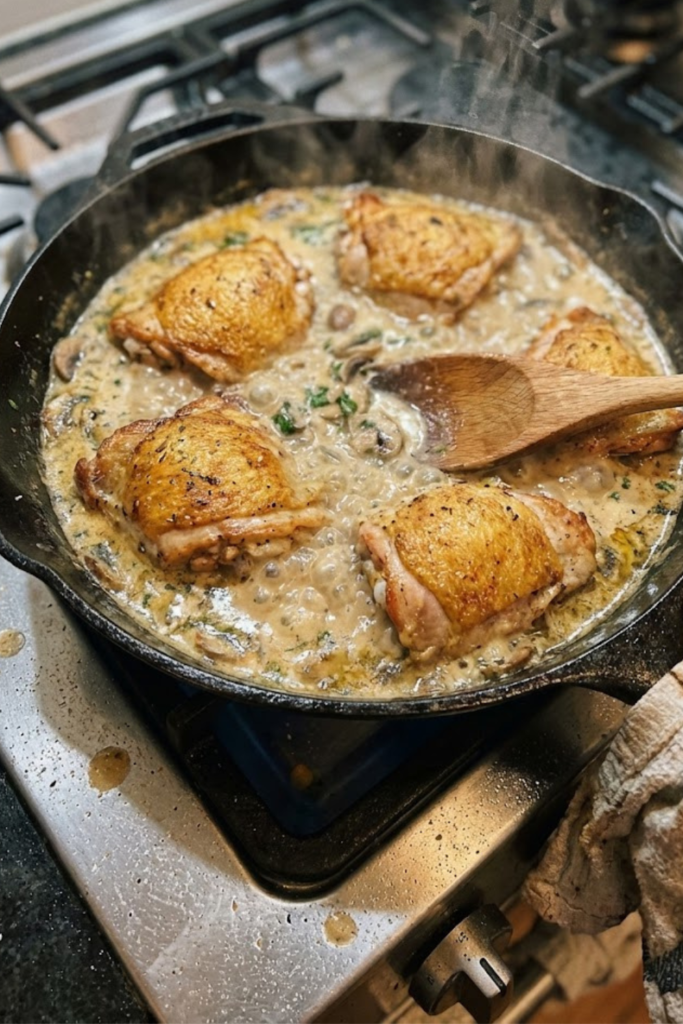
Now comes the fun part. Or, if you’re like me when I first started cooking, the slightly stressful part. But don’t worry, making Chicken Normandy is actually pretty forgiving. It’s all about building layers of flavor in one pot. You don’t need fancy equipment, just a sturdy pan—I swear by my cast iron skillet—and a little patience.
I remember thinking I could rush through the steps and get the same result. Spoiler alert: I couldn’t. I ended up with pale chicken and a thin sauce. So, grab a glass of wine (or cider!) and let’s take this step by step.
Searing for Success
The first thing you need to do is brown that chicken. Season your chicken thighs generously with salt and pepper. Get your butter and oil hot in the pan. When you put the chicken in, skin-side down, it should sizzle aggressively.
Here is where I always messed up: I used to crowd the pan. I’d jam all the pieces in at once because I wanted to be done faster. Big mistake. Instead of searing, the chicken steamed in its own juices. It looked gray and sad. Do it in batches if you have to. You want deep, golden-brown skin. That brown stuff stuck to the bottom of the pan? That’s called fond, and it’s pure flavor gold for your sauce later.
Sautéing the Aromatics
Once the chicken is set aside, don’t wash the pan! Toss your sliced onions and apples right into that chicken fat and butter. This is my favorite part because the kitchen starts to smell incredible.
You want to sauté them until the onions are soft and the caramelized apples start getting some color. I used to pull them too early because I was hungry, but let them go for about 5-8 minutes. The sweetness from the browned apples is what balances the savory sauce.
The Flambé Technique (Watch Your Eyebrows!)
Okay, this is the “chef” moment. Pour in the Calvados brandy. If you’re feeling brave, you light it on fire to burn off the harsh alcohol.
Pro tip learned the hard way: Turn off your stove vent fan before you do this! I almost set off the fire alarm once because the flame got sucked right up toward the filter. If you aren’t comfortable with fire, just let it bubble rapidly for a minute or two. It does the same thing, minus the heart attack. This step concentrates that woody apple flavor into the base of the sauce.
Braising to Perfection
Now, pour in your dry apple cider and scrape up all those browned bits from the bottom of the pan. Nestle the chicken back in (skin side up so it stays somewhat crisp) and lower the heat. Cover it and let it simmer.
This is the “low and slow” part. You want the chicken to braise until it’s falling off the bone, usually about 30 to 40 minutes. I usually use this time to clean up the kitchen—or just finish that glass of wine.
Finishing the Sauce
When the chicken is done, take it out one last time. Stir your crème fraîche or heavy cream into the liquid left in the pan. Let it bubble and reduce until it’s thick enough to coat the back of a spoon. Taste it. Does it need more salt? Maybe a pinch of pepper? This creamy, savory sauce is the heart of the dish, so get it right. Pour it all over the chicken and get ready to eat. It’s messy, it’s rich, and it’s totally worth the effort.
Perfect Pairings and Serving Suggestions
You’ve spent an hour braising this beautiful French Apple Cider Chicken, and your kitchen smells like heaven. Now, what do you put on the plate next to it? I used to treat side dishes as an afterthought. I’d just throw some plain rice in a pot and call it a day. But honestly, that’s a crime against this sauce.
The sauce is the real MVP here. It’s rich, creamy, and packed with flavor, so you need sides that can either soak it up or cut through the richness. If you serve this with something bland or watery, you’re missing out on half the experience.
The Starch Situation: The Ultimate Sponge
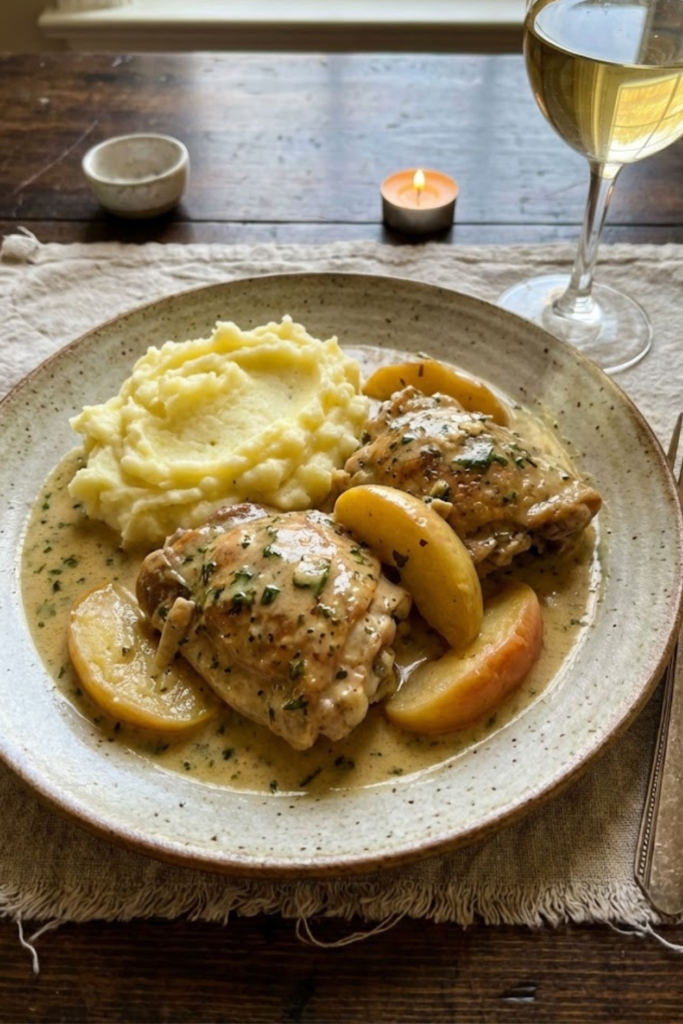
Let’s be real: you need a vehicle for that sauce. My absolute favorite pairing is mashed potatoes. I’m talking about the buttery, smooth kind. When you ladle that apple-cream sauce over a mound of potatoes, it creates this perfect bite that is pure comfort.
If I’m feeling a little lazy (which happens more often than I’d like to admit), roasted baby potatoes are a solid backup. I toss them in olive oil and rosemary and roast them until they’re crispy. They hold their shape better than mash, which provides a nice texture contrast to the tender chicken.
And look, I don’t care if you’re watching your carbs—you need a crusty baguette. It is non-negotiable. You’re going to want to wipe your plate clean at the end. I’ve definitely been caught tearing off chunks of bread and dipping them directly into the serving skillet before dinner is even served. No regrets.
Veggies to Cut the Richness
Because Chicken Normandy is so heavy on the cream and butter, you need something green to wake up your palate. I made the mistake once of serving this with a creamy corn casserole. It was delicious, but I needed a nap immediately after. It was just too much dairy.
Now, I stick to simple vegetable accompaniments. My go-to is garlicky green beans (or haricots verts if we’re being fancy). Just quickly sauté them so they still have a snap. The crunch helps balance out the softness of the stewed apples and chicken.
Another great option is a simple green salad with a sharp mustard vinaigrette. The acid in the dressing cuts right through the fat of the sauce. It sounds basic, but in French bistros, that’s exactly how they serve rich dishes. It refreshes your mouth between bites.
What to Drink?
There is an old saying in the wine world: “What grows together, goes together.” Since this dish is born in the orchards of Normandy, the best thing to drink is dry cider. And I mean the dry, funky stuff, not the sugary soda-like cider. The bubbles and the tartness scrub your palate clean.
If you aren’t a cider fan, a white wine is your best bet. Avoid red wine; the tannins clash with the apples and cream, making everything taste metallic. I usually grab a buttery Chardonnay or a Chenin Blanc. You want a white wine with enough body to stand up to the cream sauce but enough acidity to keep things lively.
At the end of the day, serve it with whatever makes you happy, but trust me on the bread. You don’t want to leave a single drop of that sauce behind.
Expert Tips for the Best Chicken Normandy
I’ve made Chicken Normandy probably fifty times now, and I still mess it up if I’m not paying attention. It’s easy to get cocky once you know the recipe, but the devil is in the details. I remember one dinner party where my sauce broke into a greasy mess right as guests arrived. I wanted to cry.
So, learn from my disasters. Here are the specific things that will take your dish from “pretty good” to “restaurant quality.”
Don’t Rush the Brown
If there is one rule I struggle with, it’s patience. When you are searing the chicken thighs, you have to leave them alone. I used to poke and prod them every thirty seconds to see if they were done.
Don’t do that. If you try to flip the chicken and it sticks to the pan, it’s not ready. It will release naturally when the skin is perfectly crisp and golden. If you rush this step, you end up with flabby, rubbery skin that gets even soggier once you braise it. Gross. Give it a solid 5 to 7 minutes per side without touching it.
Saving Your Sauce
The sauce is the soul of French Apple Cider Chicken. But sometimes, it just doesn’t cooperate. A common problem is that the sauce ends up too thin and watery.
If this happens, don’t panic. Just remove the chicken and let the liquid boil hard for a few minutes to reduce it. You want it to coat the back of a spoon. On the flip side, if your heat is too high when you add the cream, the sauce might split (look curdled).
If that happens, take it off the heat immediately and whisk in a teaspoon of cold water or fresh cream. It usually brings it back together.
The Waiting Game
Here is a secret that feels like cheating: this dish tastes better the next day. I found this out by accident when I had leftovers for lunch. The flavors of the apples, Calvados, and thyme have time to meld together in the fridge.
If you are planning a dinner party, make the Chicken Normandy completely the day before. Reheat it gently on the stove over low heat. It saves you stress on the big night, and your friends will think you’re a wizard.
Skipping the Booze
I get asked a lot about the alcohol. Authentic recipes rely on hard cider and brandy, but maybe you’re cooking for kids or you just don’t drink. You can absolutely make a delicious version without the booze.
Swap the hard cider for cloudy apple juice, but—and this is key—add a tablespoon of apple cider vinegar. You need that acid to mimic the fermentation flavor. Skip the brandy entirely; you won’t get the same depth, but it will still be a killer creamy chicken recipe. Just don’t use sparkling apple soda; that’s way too sweet and will ruin dinner.

Honestly, by the time you’ve finished cooking this, your kitchen is going to smell ridiculous. Like, “neighbors knocking on the door to see what you’re making” kind of ridiculous. That’s the power of Chicken Normandy. It’s not just a recipe; it’s an entire vibe.
When I look back at all the times I’ve made this—from my disastrous first attempt with sugary juice to the perfect, golden batches I make now—I realize why this dish has stuck around for centuries. It’s comforting in a way that feels genuine. You aren’t hiding behind fancy foams or gels. You are taking simple, honest ingredients like apples, cream, and chicken, and turning them into something that feels like a celebration.
I know the list of steps might look a little intimidating at first, especially if you’ve never lit alcohol on fire before. But trust me, the panic of the flambé lasts for two seconds, and the flavor lasts for the whole meal. It’s those little moments of risk and reward that make cooking fun.
Don’t be afraid to make this your own, either. If you want to add more mushrooms because you love them, do it. If you want to swap the chicken thighs for legs, go for it. The beauty of French country cooking is that it’s adaptable. It was created by home cooks, for home cooks. It’s meant to be eaten with a spoon, with messy hands, and with a big piece of bread to mop up the plate.
I really hope you give this French Apple Cider Chicken a shot this weekend. It’s the perfect excuse to slow down, open a bottle of cider, and enjoy the process of making something from scratch. It’s heavy, it’s rich, and it’s exactly what you need on a cold night.
If you make it, I want to see it! Did your sauce break? Did you burn your eyebrows? Did it taste amazing? Let me know. And if you found this guide helpful (or at least entertaining), please pin this recipe on Pinterest. It helps other hungry cooks find us and keeps the cider flowing.