You know that feeling when the wind is howling outside, and all you want is a bowl of something hot, spicy, and soul-warming? That is exactly where this chili comes in! I used to be terrified of making chili—it always turned out too watery or just… blah. But after years of tweaking (and a few disasters in the kitchen!), I’ve finally cracked the code. Did you know that 40% of Americans consider chili their ultimate comfort food during winter? It’s true! This isn’t just another dinner; it’s an experience. Get your spoons ready, because we are about to make the absolute best chili recipe you have ever tasted. Let’s get cooking!
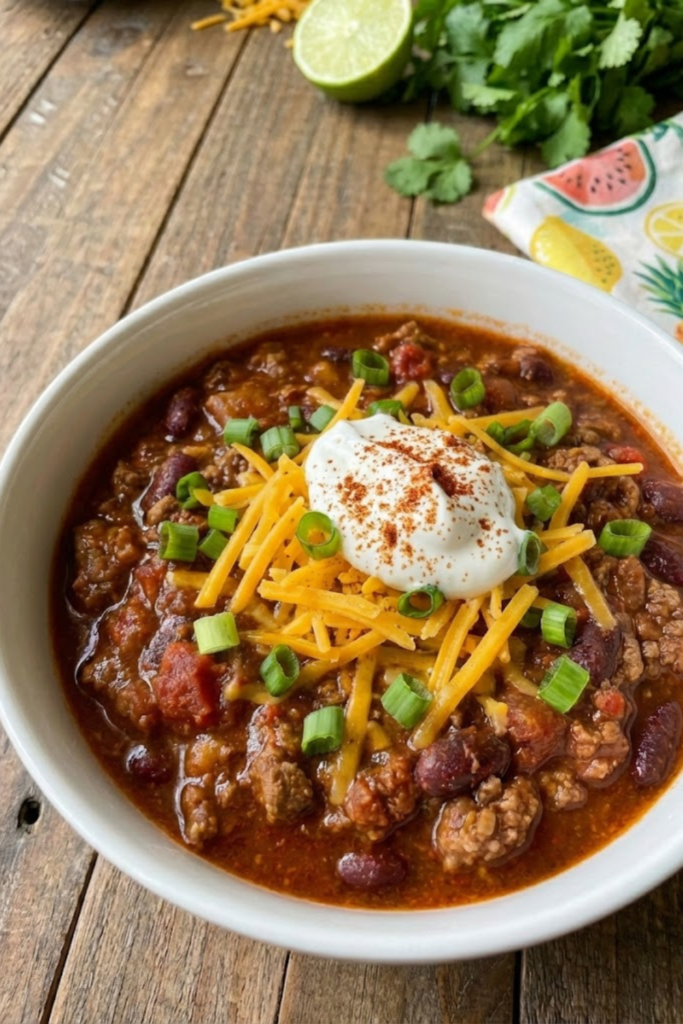
Choosing the Right Meat for Flavor and Texture
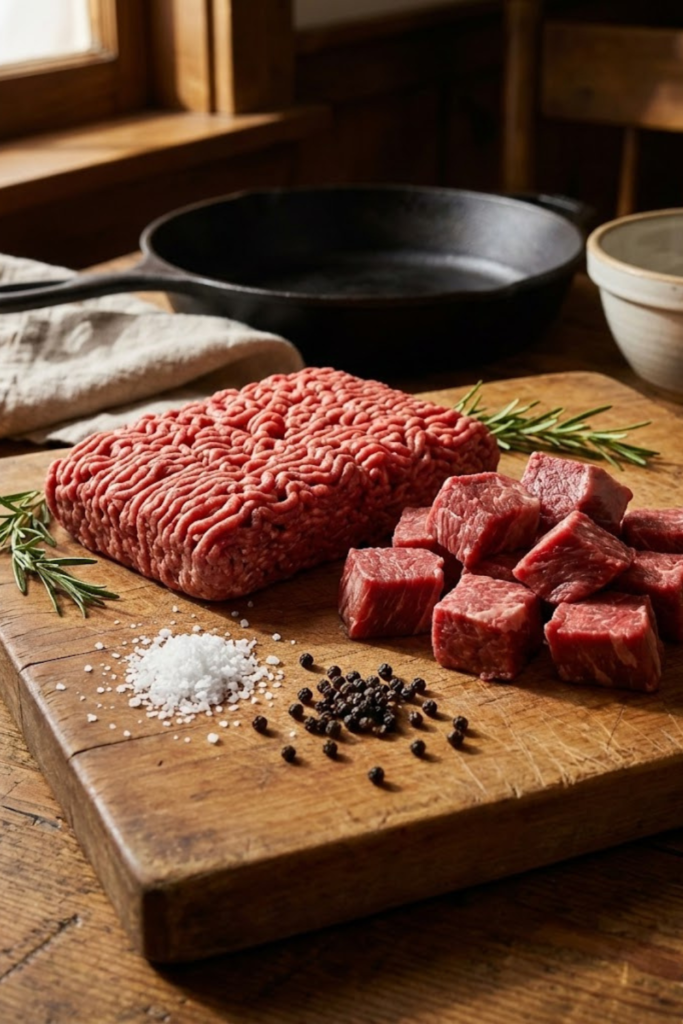
Look, I’ve got a confession to make. When I first started my quest to create the best chili recipe, I was obsessed with buying the leanest ground beef I could find. I’m talking that 96% lean stuff that costs a fortune. I thought I was being healthy, but my chili tasted like spiced cardboard floating in tomato juice. It was honestly tragic.
I learned the hard way that fat equals flavor. It is just science.
The Beef Ratio That Changed My Life
For a classic, hearty chili, you really need to stick with an 80/20 fat ratio for your ground beef. That 20% fat renders down during the cooking process and carries all those spicy, smoky flavors through the dish.
But here is a little secret I stumbled upon by accident when I ran out of ground beef one Sunday. I used a chuck roast instead. I cut it into small, 1/2-inch cubes. The result? Unbelievable texture. Now, when I want to impress guests, I use a mix of both ground beef and hand-cut chuck roast. It gives you that nice “stew” feel while still being traditional.
Avoid the “Gray Meat” Disaster
Here is where I used to mess up constantly. I would get impatient and dump two pounds of cold meat into the pot all at once.
The pan would cool down too fast, and the meat would just steam in its own juices. It turned this unappetizing gray color and had zero flavor. Gross, right? You have to sear the meat in batches.
Don’t crowd the pan! You want to hear a loud sizzle. That browning creates a crust (fancy folks call it the Maillard reaction) that adds a deep, savory richness you just can’t get any other way.
What About Turkey or Venison?
My neighbor brings over venison sometimes during hunting season, and it makes a killer best chili recipe variation. Since game meat and turkey are super lean, I usually cheat a little. I’ll mix in a spoonful of bacon grease or cook it with a little sausage to keep it from drying out.
If you are using turkey, you gotta season it heavier than beef. Turkey is pretty blank on its own and needs that extra push of cumin and chili powder to wake up.
Don’t Pour the Flavor Away!
Once your meat is browned and set aside, look at the bottom of the pot. See that grease and those brown stuck-on bits? Do not wash that out!
I leave about two tablespoons of that rendered fat in the pot to sauté my onions and peppers. It builds layers of flavor right from the start. Trust me, your tastebuds will thank you later.
The Secret Spice Blend: Beyond Chili Powder
I used to think making chili just meant ripping open one of those little paper packets from the grocery store and dumping it in. No shame if you do that, but honestly? It always left me wanting more. The flavor was flat, salty, and kind of boring.
If you want the best chili recipe on the block, you have to take control of your spice cabinet. It was a total game changer for me when I stopped being afraid of mixing my own spices. I remember standing in my kitchen, sneezing my head off because I dropped the cayenne pepper, but feeling like a wizard.
The Holy Trinity of Spices
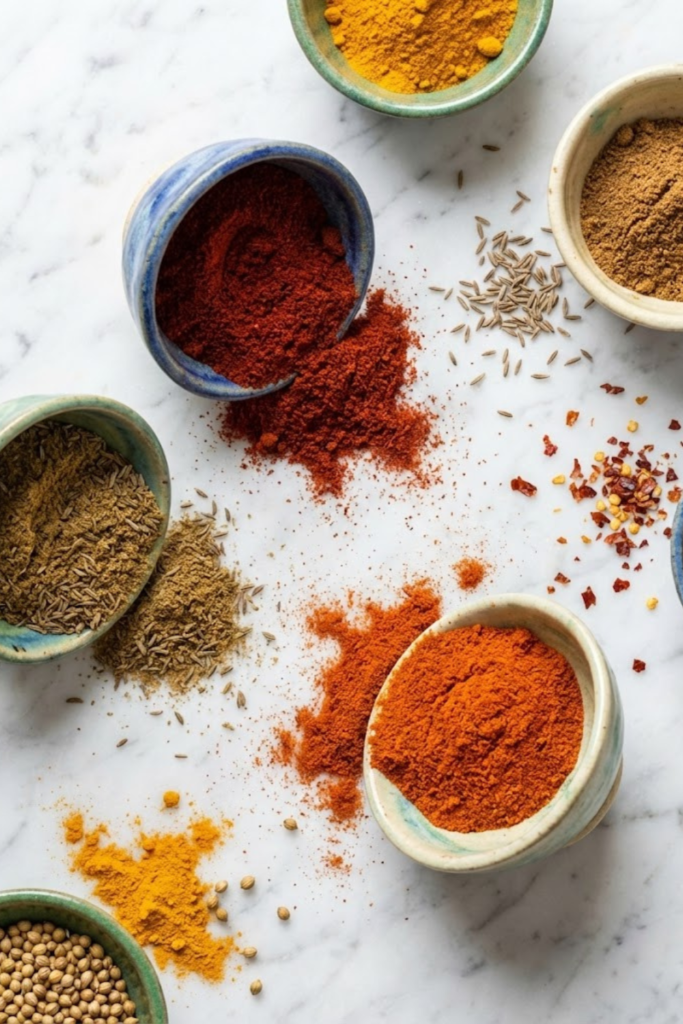
You can’t just throw random stuff in the pot. Through a lot of trial and error, I found the “Holy Trinity” for chili is chili powder, ground cumin, and smoked paprika.
The ratio matters a lot here. I usually go with 2 tablespoons of chili powder, 1 tablespoon of cumin, and 1 teaspoon of smoked paprika. That smoked paprika is key—it gives you that “cooked over a campfire” vibe even if you are just using an electric stove.
Don’t use regular paprika; it’s basically just red dust with no flavor. Go for the smoked stuff.
Bloom Your Spices (Don’t Skip This!)
Here is the biggest mistake I see people make. They dump the spices into the liquid. No! You have to “bloom” them.
When your onions and peppers are soft, toss your dry spices directly into the hot oil and veggies. Stir them constantly for about 60 seconds. You’ll smell this incredible aroma hit you instantly. This wakes up the essential oils in the spices.
I learned this the hard way when I burned a batch of garlic powder once. It tasted bitter and nasty. So, keep it moving and don’t walk away!
The “Secret” Ingredients
Okay, I’m going to let you in on a little secret that makes people ask, “What is in this?” I always add a square of dark chocolate or a tablespoon of unsweetened cocoa powder.
It sounds weird, right? But it doesn’t make the chili taste like a candy bar. It adds a deep, savory richness that balances out the acidity of the tomatoes.
Another trick I picked up is adding a pinch of cinnamon or a shot of espresso. It adds complexity that you can’t quite put your finger on.
Managing the Heat
Spice tolerance is personal. I love it when my nose runs a little, but my kids? Not so much.
For the best chili recipe that pleases a crowd, I rely on the chili powder for the base flavor and use fresh jalapeños for the heat. If you want it hotter, leave the seeds in the jalapeños.
If you accidentally make it too spicy (been there, done that), a little extra brown sugar or honey can help tame the flame. It’s all about balance.
Beans or No Beans? Navigating the Debate
Oh man, if you want to start a genuine fight at a dinner party, just ask a room full of people if beans belong in chili. I learned this lesson the hard way a few years ago. I was so proud of a huge pot I’d simmered all afternoon, thinking I had nailed the best chili recipe ever.
Then my friend form Texas showed up. He took one look at the kidney beans floating in the bowl and looked at me like I had just insulted his ancestors. “That’s not chili,” he said, dead serious. “That’s soup.”
It was a total buzzkill, but it taught me that people have strong feelings about legumes.
Texas Style vs. The Rest of the World
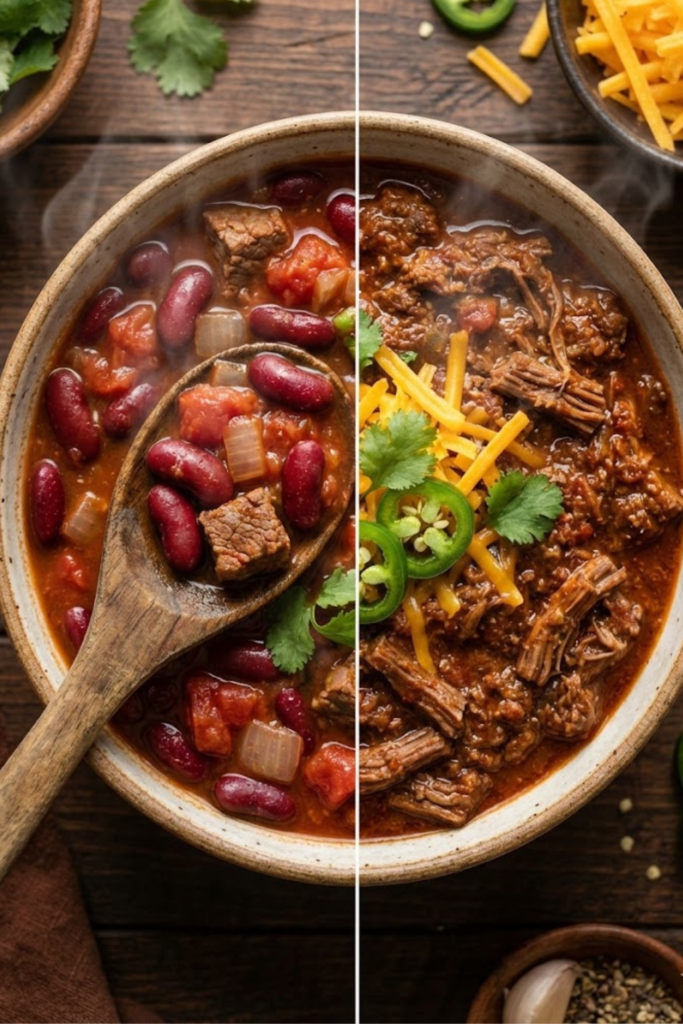
Here is the deal I’ve worked out. If you are aiming for authentic “Texas Red,” you are forbidden from using beans. It is strictly meat and sauce. And honestly? It’s delicious, but it’s intense.
For the rest of us making a homestyle dinner, beans are totally fair game. I actually prefer them because they add a nice textural break from the meat. Plus, let’s be real—beans are cheap. When I was broke in my early twenties, adding two extra cans of beans was the only way I could afford to feed my roommates.
Choosing Your Fighter: Kidney vs. Pinto
If you decide to join team bean, don’t just grab whatever is in the pantry. I used to use black beans, but they turn the whole pot a weird purple color. Not appetizing.
For the best chili recipe texture, I swear by a mix. Dark red kidney beans are great because they have a thick skin. They stay firm even after simmering for hours. Pinto beans are softer and creamier, adding a nice richness to the sauce.
I usually do one can of each. It gives you the best of both worlds.
The Canned vs. Dry Dilemma
I know food purists will tell you that you must soak dry beans overnight. And yeah, the texture is slightly better. But who actually remembers to do that? I certainly don’t.
I use canned beans 99% of the time. But here is the trick: you have to rinse them. Open the can and dump them in a colander. That thick, slimy liquid they come in? Wash it all away until the water runs clear.
If you don’t rinse them, your chili will taste overly salty and metallic. I made that mistake once and we ended up ordering pizza because it was inedible.
It’s Your Pot, Your Rules
At the end of the day, unless you are entering a cook-off in San Antonio, put whatever you want in there. Beans add fiber and make the meal stretch further, which is a win in my book.
If you have picky eaters, the beans can sometimes be a dealbreaker. But for me, a bowl just doesn’t look right without them.
Step-by-Step Instructions for Perfect Chili
Okay, put on your apron and grab a wooden spoon. It is time to actually cook this thing. I used to rush through the cooking process because I was hungry and impatient. Big mistake. The best chili recipe isn’t a sprint; it’s a slow, steady walk.
When I first started cooking, I would just dump everything in the pot at once and boil it to death. It was edible, sure, but it wasn’t great. I learned that building flavor in layers is the only way to get that restaurant-quality taste at home.
Sautéing the Aromatics
Remember that bacon grease or rendered fat we saved? Heat that up over medium heat. Toss in your diced onions and bell peppers first.
I like to let them “sweat” for about 5 to 7 minutes. You want them soft and translucent, not brown yet.
Then, and this is crucial, add the garlic. I used to add the garlic at the same time as the onions, and I burned it every single time. Burnt garlic tastes acrid and ruins the whole pot. Toss it in for just the last minute until you smell it. That smell? That is the smell of victory.
Deglazing: The Flavor Bomb
After your spices have bloomed (like we talked about earlier), the bottom of your pot is going to look a little dark and crusty. Don’t panic! That stuff is called “fond,” and it is pure gold.
Pour in a little beef broth or a dark beer. I prefer a stout because it adds a deep, malty flavor.
As the liquid hits the hot pan, it will steam like crazy. Use your wooden spoon to scrape up all those brown bits stuck to the bottom. This step is non-negotiable. If you skip it, you are leaving the best flavor behind. I once skipped this because I was lazy, and the chili tasted flat. Never again.
The Low and Slow Simmer
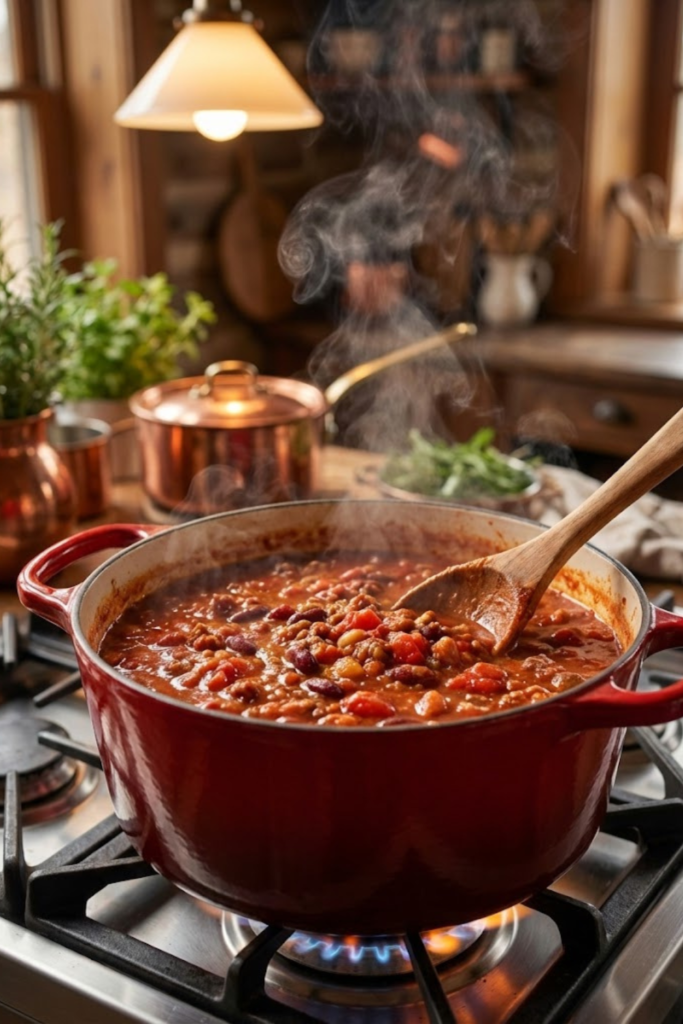
Now, dump in your tomatoes, beans (if you are using them), and the rest of your broth. Bring it to a boil, then immediately turn the heat down to low.
You want a gentle simmer, just a few bubbles breaking the surface.
I let mine go for at least an hour, but two is better. This gives the flavors time to get to know each other. I usually put on a podcast or clean up the kitchen while it bubbles away. The longer it sits, the more tender the meat gets.
Fixing the Consistency
Sometimes, despite my best efforts, I lift the lid and it looks too soupy. It happens to the best of us.
If you want that thick, stick-to-your-ribs texture, do not just boil it harder. That toughens the meat. Instead, mix a tablespoon of masa harina (corn flour) with a little water and stir it in. It adds a subtle corn flavor that is just incredible.
If you don’t have masa, cornstarch works too, but masa is the secret weapon for the best chili recipe.
The Ultimate Toppings Bar Guide
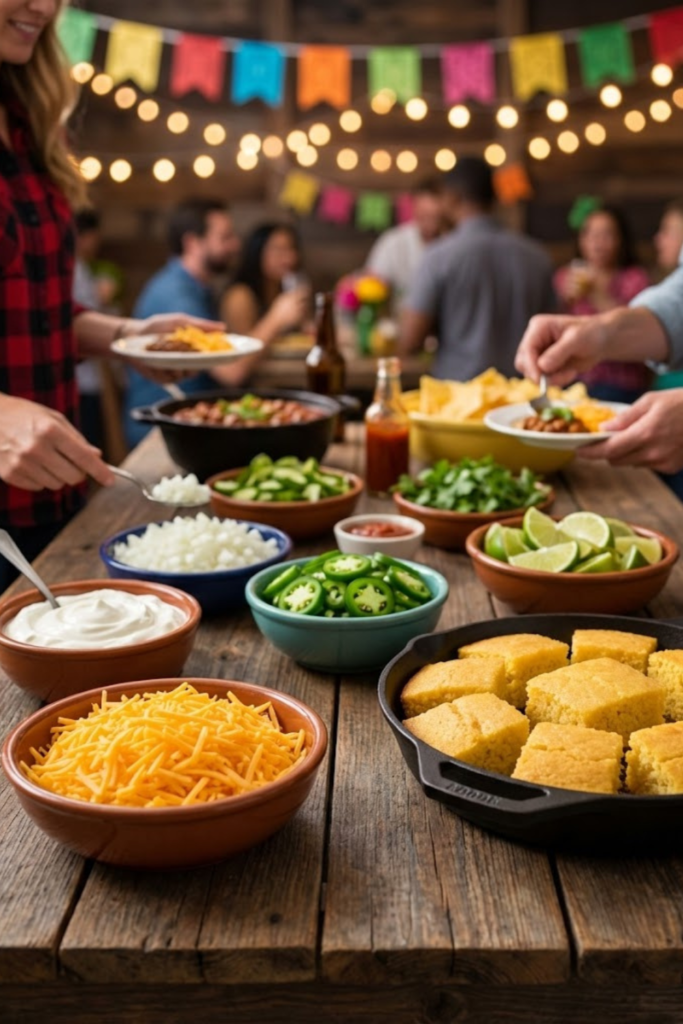
You can cook the absolute best chili recipe in the world, simmered to perfection for hours, but if you serve it naked, you are missing out on half the fun. I used to think toppings were just for restaurants or fancy dinner parties. I would ladle the chili into bowls and call it a day.
It wasn’t until I went to a tailgate party where my friend had set up a whole table of garnishes that I realized the error of my ways. The toppings aren’t just decoration; they actually change the flavor profile and texture of every bite.
The Cheese Situation
Let’s be real, cheese is mandatory. But here is a mistake I made for years: I bought those bags of pre-shredded cheddar. You know the ones. They are coated in potato starch to keep them from clumping in the bag, but that also stops them from melting properly.
If you want that gooey, restaurant-style cheese pull, buy a block of sharp cheddar and grate it yourself. It takes two minutes and makes a massive difference. I also like to offer some Monterey Jack for people who want something milder.
The Creamy and The Crunchy
Since this chili has a bit of a kick (especially if you used my spice blend), you need something to cool it down. A dollop of sour cream is classic, but have you ever tried Mexican crema? It’s thinner, sweeter, and drizzles perfectly over the bowl.
For crunch, I used to just do saltine crackers. Boring. Now, I chop up red onions or green onions. The bite of the raw onion cuts right through the richness of the meat. And don’t judge me, but Fritos are a guilty pleasure. There is something about those salty corn chips soaking up the spicy broth that just hits the spot.
The Acid Hit You Didn’t Know You Needed
This is my top secret tip. Right before serving, I put out wedges of fresh lime.
I know, it sounds like taco night, but trust me. A squeeze of fresh lime juice brightens up the heavy, savory flavors of the beef and tomatoes. It wakes the whole dish up. I learned this from a chef I met once, and I’ve never gone back.
Carb Companions
Finally, we have to talk about what goes next to the bowl. Cornbread is the traditional choice, obviously. I like mine sweet to balance the spicy chili.
But if you want to get weird (and delicious), try serving it “Cincinnati style” over spaghetti. My kids thought I was crazy the first time I did it, but now they ask for it. It turns the chili into a pasta sauce, and it is surprisingly good comfort food.
Storing, Freezing, and Reheating Leftovers
I’m going to let you in on the absolute best thing about making a giant pot of chili: it actually tastes better the next day. I know, people say that about a lot of foods, but with the best chili recipe, it is scientifically true.
When I first started cooking, I would eat a huge bowl right off the stove and think, “This is good.” But then I’d heat up a bowl for lunch the next day and think, “Whoa, this is amazing.” The spices need time to meld and marry with the meat. It’s like they just need a night to get to know each other better.
The Refrigerator Rules
Here is a mistake I made that almost ruined a whole batch. I was tired after cooking and shoved the big, hot pot directly into the fridge.
Don’t do that! It raises the temperature of your fridge and can spoil your other food. Plus, the chili doesn’t cool down evenly. You have to let it cool completely on the counter first.
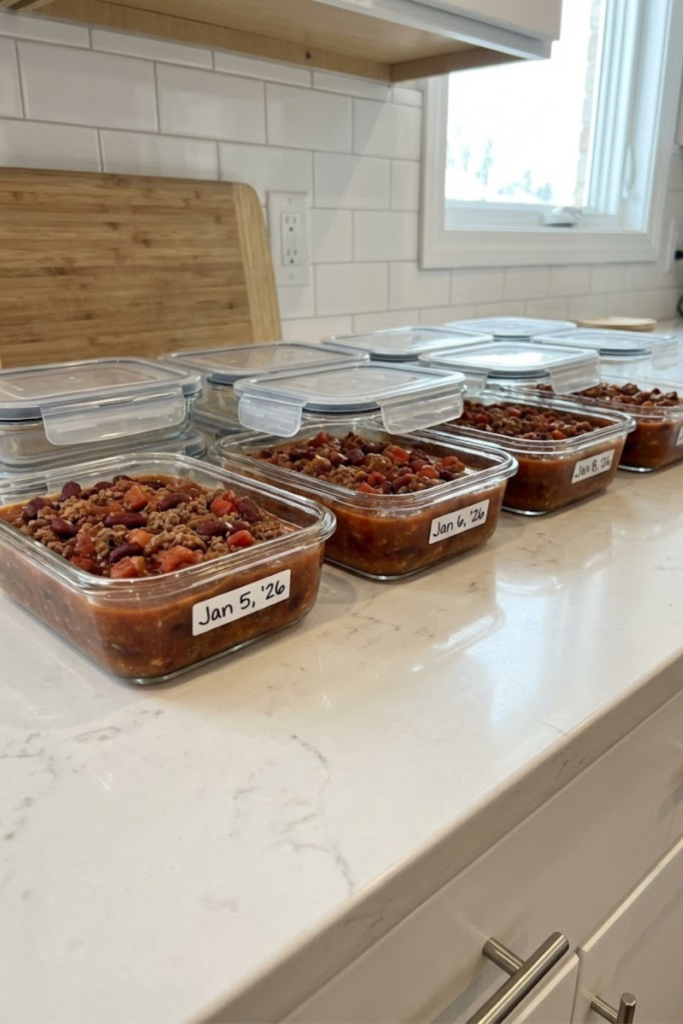
Once it’s room temperature, I transfer it into air-tight glass containers. It will stay good for about 3 to 4 days. Honestly, it rarely lasts that long in my house because my teenagers devour it, but theoretically, it’s safe for four days.
Freezing for Future You
Chili is the ultimate meal prep hack. I love freezing it in individual portions. That way, on a busy Tuesday when I don’t want to cook, I have a homemade dinner ready to go.
The trick is to leave a little space at the top of the container. Liquid expands when it freezes. I learned this the hard way when I found a cracked glass jar and chili explosion in my freezer. It was a mess to clean up.
Label it with the date! You think you’ll remember when you made it, but you won’t. It stays good frozen for about 3 months before the texture starts to get a little weird.
Reheating Without Ruining It
When you are ready to eat, don’t just blast it in the microwave on high. That is how you get rubbery meat and exploding beans.
If I have time, I reheat it on the stove over low heat. You might need to add a splash of water or broth because it thickens up a lot in the fridge. If you must use the microwave, do it in 60-second intervals and stir in between. It keeps the heat even and prevents those cold spots in the middle.
There you have it—the roadmap to the best chili recipe you’ll ever make!
Whether you like it spicy, bean-free, or loaded with veggies, the secret is always in the patience and the spice blend. Don’t be afraid to experiment and make it your own. Cooking should be fun, not stressful. I hope this guide gives you the confidence to ditch the seasoning packets and make something truly special.
If you loved this guide or tried the recipe, please share it on Pinterest so others can find their new favorite dinner too!