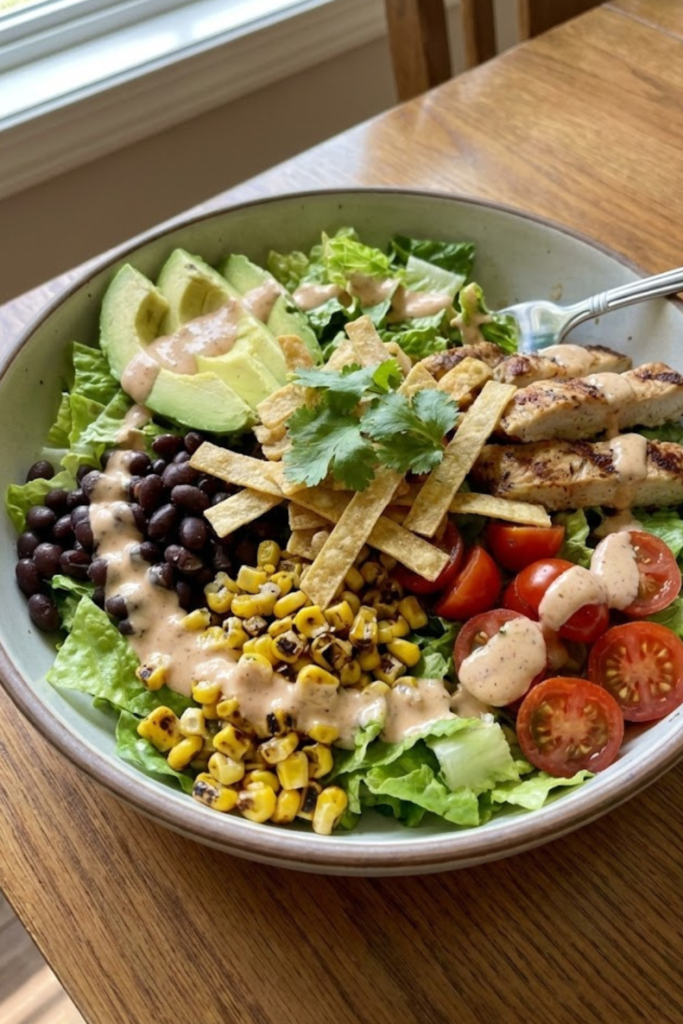
Let’s be honest for a second—most salads are sad. You know the ones: wilted lettuce, bland cucumbers, and a dressing that tastes like nothing. But this Spicy Southwest Salad? It is a total game-changer! I remember the first time I made this for a backyard BBQ; the bowl was licked clean before the burgers even came off the grill. Did you know that nearly 40% of people ditch their healthy eating resolutions simply because the food lacks flavor? That ends right now. We are bringing the heat, the crunch, and the color to your table!
Selecting Fresh Ingredients for Maximum Crunch
I used to think that “salad” just meant throwing whatever wilted leaves I had in the fridge into a bowl and hoping for the best. Big mistake. I remember making a huge batch of Spicy Southwest Salad for a teacher’s luncheon a few years ago using delicate spring mix. By the time lunch period rolled around, the dressing had turned those poor leaves into a sad, soggy mush. It was embarrassing!
I learned the hard way that texture is everything. If you want a salad that actually satisfies you, you have to be picky about what goes in the cart.
The Foundation: Romaine is King
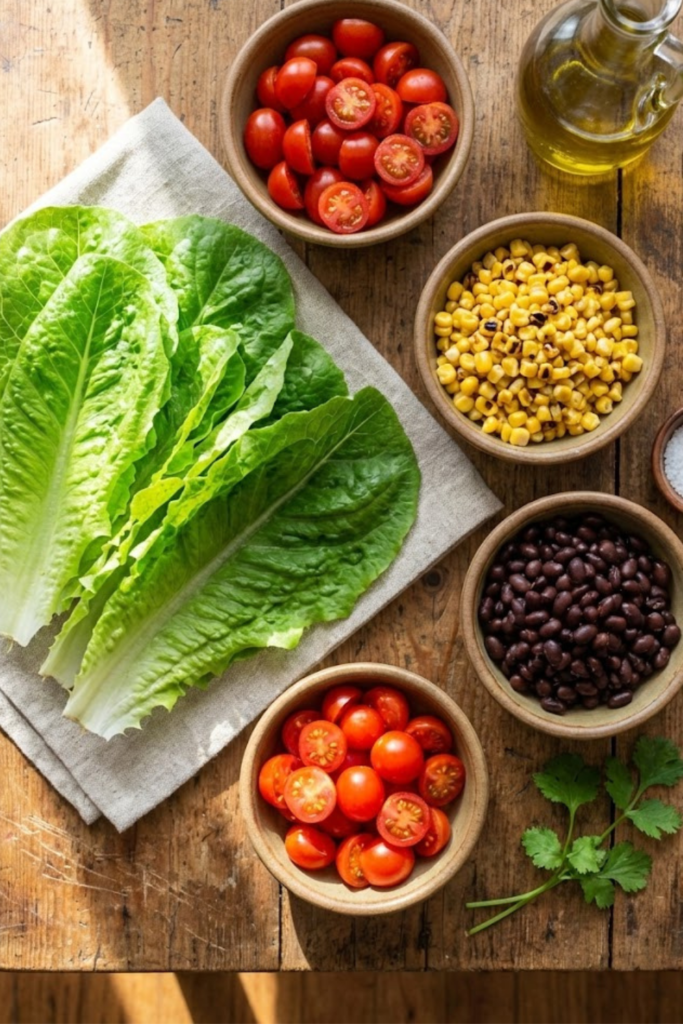
Listen, I love spinach as much as the next person, but it has no business in this bowl. You need a green with a backbone. For a chopped salad recipe like this, Romaine hearts are non-negotiable. They provide that satisfying snap when you bite down.
I usually buy the three-pack of hearts and chop them pretty small. It holds up against the heavy ingredients like beans and corn without collapsing. If you try to use butter lettuce, you’re gonna have a bad time.
The “Southwest” Trinity
The soul of this dish comes down to three things: corn, beans, and tomatoes.
- Corn: Fresh is best, obviously. But let’s be real, I don’t always have time to shuck corn on a Tuesday night. Canned sweet corn works fine, but here is a trick I use: throw the kernels in a dry skillet for five minutes until they get a little brown. It adds a smoky flavor that mimics Mexican street corn salad.
- Black Beans: Please, for the love of food, rinse your beans. I once dumped a can of black beans straight in, liquid and all. The whole salad turned a gross gray color. Rinse them until the water runs clear to keep your fresh ingredients looking sharp.
- Tomatoes: I stick to cherry or grape tomatoes. Large beefsteak tomatoes have too much water and dilute the dressing.
The Avocado Gamble
Picking an avocado feels like playing the lottery sometimes. You buy it rock hard, and it stays that way for three days, then ripens for exactly 15 minutes while you are at work before rotting.
For this salad, you want an avocado that gives just a slight squeeze but isn’t mushy. If it feels like a stress ball, it’s too ripe. If I am prepping this for the week, I actually leave the avocado out and just cut half a fresh one right before I eat. It’s a bit more work, but nobody likes brown guac.
Don’t Forget the Sharp Bite
To really make the flavors pop, I always add something with a sharp, peppery bite. Thinly sliced red radishes or red onion are perfect here.
I soak my red onion slices in a bowl of ice water for ten minutes while I chop everything else. It takes away that harsh “onion breath” aftertaste but keeps the crunch. It is a small step, but it makes a huge difference in the final Spicy Southwest Salad.
Whipping Up the Creamy Chipotle Dressing
I have a confession to make: for years, I ruined perfectly good salads with store-bought dressing. You know the kind—it sits in a plastic bottle on the shelf for two years and lists “soybean oil” as the first ingredient. It’s gross.
When I finally decided to make my own Southwest salad dressing, I was intimidated. I thought I needed a culinary degree or some fancy equipment. Turns out, all I needed was a blender and five minutes.
The Base: Creamy vs. Heavy
For a long time, I used mayonnaise as the base for my dressings. It tastes great, sure, but it felt like a brick sitting in my stomach all afternoon.
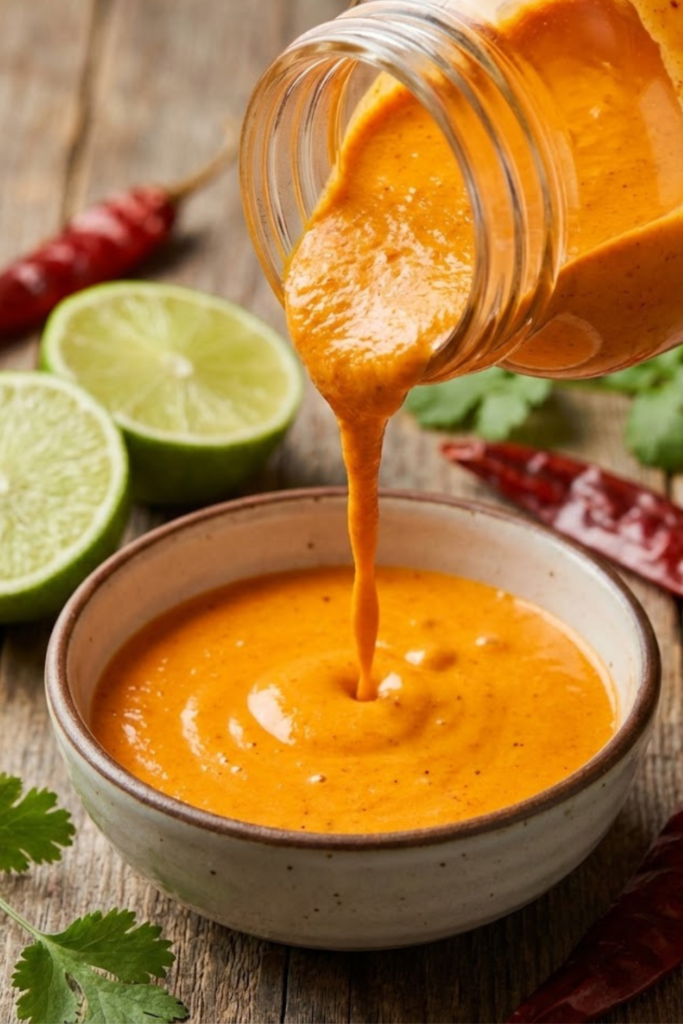
Now, I almost exclusively use Greek yogurt. It gives you that rich, velvety texture without the guilt. Plus, it packs a protein punch. If you really miss the tang of mayo, you can do a 50/50 split, but trust me, the yogurt stands up on its own. It makes for a creamy salad dressing no mayo lovers will actually enjoy.
Controlling the Heat (A Cautionary Tale)
Here is where I made a massive mistake the first time. The recipe calls for chipotle peppers in adobo sauce. These come in a little can.
I thought, “I like spicy food!” and dumped three whole peppers into the blender.
Bad move.
It was so hot that my husband actually started hiccuping after one bite. It was inedible. The trick with spicy food recipes is to start slow. Use one pepper and a spoonful of the sauce. You can always add more, but you can’t take it out once it’s blended.
The Acid Balance
To cut through the creaminess of the yogurt and the smoke of the peppers, you need acid. I used to use the lime juice that comes in the little green plastic squeeze bottle.
Don’t do that. It tastes like cleaner.
Buy a real lime and squeeze it. It makes a huge difference. The fresh citrus brightens up the chipotle lime dressing and makes the flavors sing. If I’m out of limes, apple cider vinegar is a decent backup, but fresh lime is the gold standard.
Blending it All Together
You can try to whisk this by hand, but you’ll end up with chunks of pepper. I use a small personal blender or an immersion blender.
Blitz it until it is completely smooth and turns a beautiful pale orange color. If it looks too thick (like a dip), just add a teaspoon of water or milk to thin it out.
Grilling the Perfect Protein
I have ruined more chicken breasts than I care to admit. You know that texture where it feels like you are chewing on a rubber tire? That was my specialty for years.
When you are making a grilled chicken salad, the protein is the star of the show. If the chicken is dry and flavorless, the whole bowl is ruined, no matter how good your dressing is. I learned that the hard way when I served a “healthy dinner” to my family and saw my kids trying to secretly feed the meat to the dog.
The Magic 3-Ingredient Rub
You don’t need a complicated marinade that takes 12 hours. Who has time for that? I sure don’t.
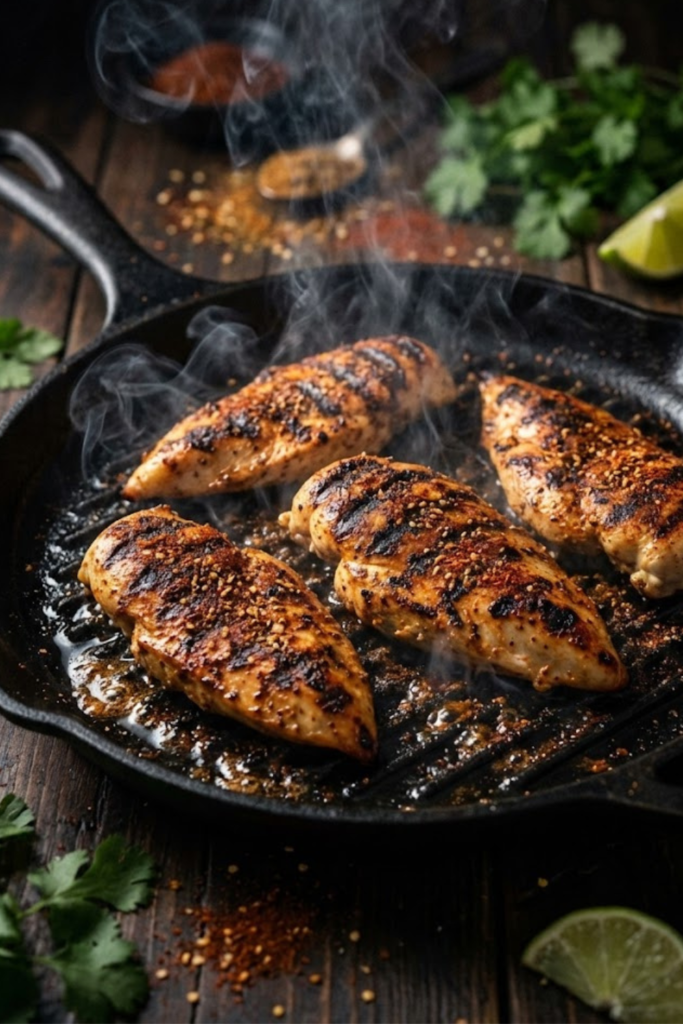
I found that a dry rub actually works better for getting that nice crust on the outside. I mix equal parts cumin, chili powder, and garlic powder. Sometimes I throw in a little smoked paprika if I’m feeling fancy.
Rub it generously on the chicken thighs or breasts. I prefer thighs because they are way more forgiving if you accidentally overcook them. They stay juicy. If you are sticking to breasts for the lean protein, pound them flat first. It helps them cook evenly so you don’t end up with a burnt outside and raw inside.
Grill vs. Pan-Sear
If it is nice out, I am firing up the grill. There is nothing like that smoky char to bring out the Southwest flavors.
But let’s be real, sometimes it is raining, or I am just too lazy to uncover the barbecue. A cast-iron skillet works wonders here. Get it screaming hot before you put the meat in. You want to hear that sizzle immediately.
I usually cook it for about 6 to 7 minutes per side. Don’t touch it! If you keep moving it around, you won’t get that nice sear.
The Veggie Swap
My neighbor is vegetarian, so I had to figure out how to adapt this. I tried just leaving the meat out once, but it felt like a side dish, not a meal.
Crispy tofu is the answer. The trick is to press the water out of the tofu first. Wrap it in paper towels and put a heavy pan on it for 15 minutes. Then, cube it and toss it in the same spice rub. Pan-fry it until it’s golden and crunchy. It is a solid vegetarian protein source that actually holds the dressing well.
The Step You Can’t Skip
This is the hill I will die on: Let. The. Meat. Rest.
I used to pull the chicken off the heat and slice it immediately because I was starving. Disaster. All those delicious juices just ran out onto the cutting board, leaving the meat dry.
Let it sit on a plate for at least 5 to 10 minutes. It allows the juices to redistribute. It makes the difference between a dry, sad salad and a restaurant-quality meal.
Assembling and Garnishing Your Southwest Masterpiece
I used to be a “dump it all in a bowl and pray” kind of cook. My salads usually looked like a compost pile by the time I brought them to the table. I remember serving a chopped salad recipe to my in-laws once where the heavy beans had crushed the lettuce into a sad, green slime at the bottom of the bowl. It tasted fine, but it looked terrible.
We eat with our eyes first, right? Over time, I learned that how you build the salad is almost as important as what you put in it. It’s not just about making it look pretty for Instagram; it’s about keeping the textures right until the very last bite.
The Layering Logic
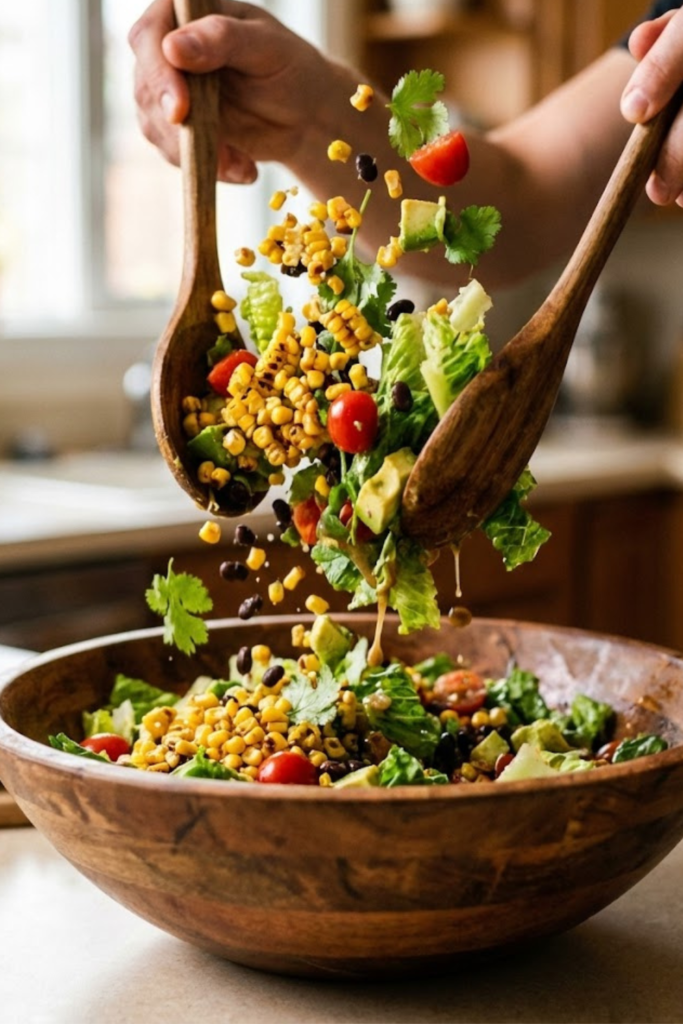
If you are serving this family-style in a big bowl, don’t just toss everything in at once. I like to lay down a bed of greens first. Then, I arrange the heavy stuff—the corn, black beans, and chicken—in sections on top.
This stops the lettuce from getting squashed immediately. Plus, it lets people see exactly what they are getting. There is nothing worse than digging through a mountain of leaves trying to find a piece of chicken. It’s annoying. By displaying the Southwest flavors clearly, picky eaters (like my youngest) can dodge the stuff they hate.
The Crunch Factor (Timing is Key)
Here is where I have messed up big time. I love crispy tortilla strips. They are hands down one of the best salad toppings out there. But one time, I tossed them in with the dressing about 20 minutes before dinner.
By the time we sat down, they were wet cardboard. It was gross.
Always, and I mean always, add the crunch at the very last second. I usually leave a bowl of crushed tortilla chips or pepitas in salad bowls on the side of the table. That way, everyone gets that satisfying crunch in every bite. If you are meal prepping, pack these in a separate little baggie. Do not let them touch the moisture!
The Cilantro Controversy
I am a huge fan of fresh cilantro. I think it makes the dish pop. However, I learned the hard way that about 10% of the population thinks it tastes like soap. I brought a salad loaded with cilantro to a potluck, and half the guests wouldn’t touch it.
Now, I chop it up and leave it on the side as a garnish. If you are in the “soap” camp, fresh parsley or just some chopped green onions work great as a substitute to add that pop of green color.
Cheese Choices
Let’s talk cheese. For the longest time, I just used shredded cheddar because that’s what I had. It works, but it can get kind of clumpy and oily when it mixes with the dressing.
If you can find it, get Cotija. It is a crumbly, salty Mexican cheese that doesn’t melt. It’s often called the “Parmesan of Mexico.” It sticks to the lettuce leaves perfectly. If you can’t find Cotija cheese recipes or blocks at your store, Feta is actually a really decent substitute because it has that same crumbly texture. Just don’t skip the cheese; the saltiness balances out the sweet corn perfectly.
Meal Prepping and Storage Tips for the Week
I have a love-hate relationship with meal prep. I love opening the fridge and seeing lunch ready to go, but I hate eating the same thing four days in a row if it tastes like leftovers.
I remember the first time I tried to prep salads for the whole work week. I put everything in plastic Tupperware on Sunday night. By Wednesday, the lettuce was brown, the croutons were mush, and the whole thing smelled weird. I ended up throwing three lunches in the trash and buying a greasy slice of pizza instead. It was a waste of money and food.
Since then, I’ve figured out a few tricks that keep healthy meal prep ideas actually edible by Friday.
The Mason Jar Logic
If you aren’t using jars, you are missing out. I used to think Mason jar salads were just a hipster trend, but they actually work scientifically. The vertical stacking keeps the wet stuff away from the dry stuff.
Put the dressing at the very bottom. Next, throw in the hard veggies that can marinate without getting gross, like the radishes, corn, and beans. The chicken goes in the middle. The lettuce goes on the very top where it stays dry. When you dump it into a bowl, the dressing pours over the top perfectly. It’s genius.
The Avocado Dilemma
Here is a headache everyone deals with: brown avocado. Nothing ruins lunch bowl recipes faster than opening your container to see brown mush.
I’ve tried every hack. Leaving the pit in? Doesn’t work. Lemon juice? Helps for about an hour.
Honestly, don’t prep the avocado. Just don’t. It’s annoying, but I bring a whole avocado with me to work and cut it right there with a plastic knife. If you absolutely must cut it beforehand, submerge the chunks completely in water in a separate container. It sounds crazy, but water blocks the oxygen. Just drain it before you eat.
Separate the Crunch
Remember those tortilla strips I talked about earlier? Do not put them in the jar. They will absorb moisture from the air in the fridge and turn stale overnight.
I use those tiny snack-sized Ziploc bags for my toppings. I put the cheese and tortilla strips in there and tape it to the top of my jar. It looks a bit dorky, but I don’t care. I’d rather look dorky and have crunchy toppings than eat soggy chips.
How Long Does It Last?
You have to be careful with chicken. I see people prepping chicken for 7 days. That is risky business.
Cooked chicken is good in the fridge for 3 to 4 days max. If I am prepping for a full Monday through Friday, I freeze the chicken for Thursday and Friday’s salads. I take it out the night before to thaw. It keeps the fresh ingredients safe and prevents that weird “old meat” taste.
It takes a little extra planning, but it beats getting food poisoning!
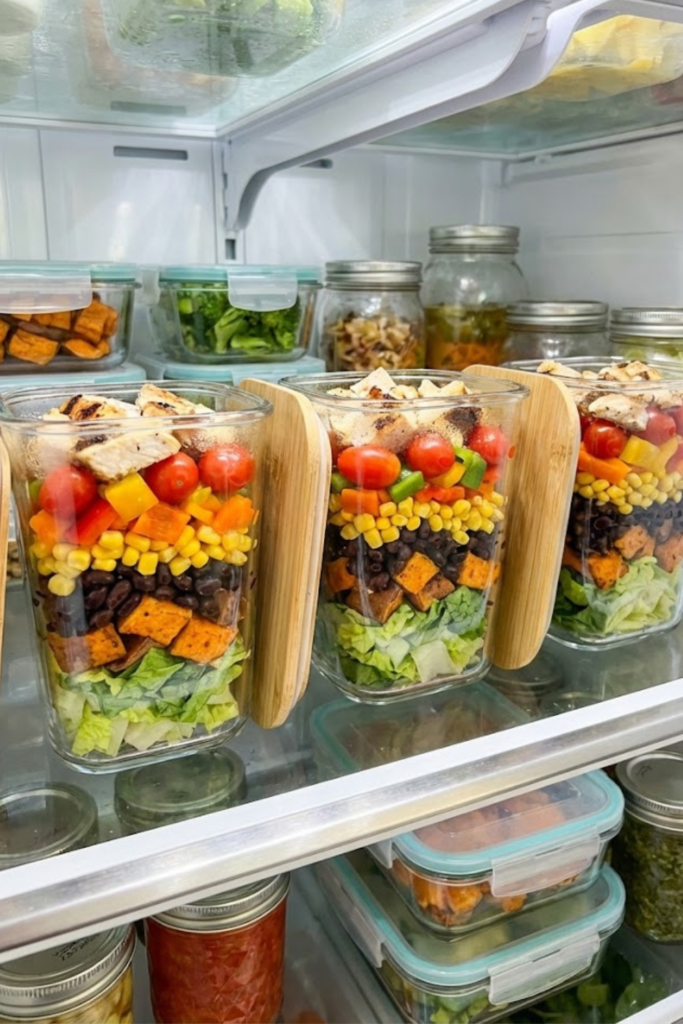
Look, I get it. Eating healthy can feel like a total chore sometimes. I used to stare at my bland Tupperware in the office fridge and seriously consider “forgetting” it so I could go grab a burger. But honestly, this Spicy Southwest Salad changed the game for me.
It’s got that crunch, that heat, and it actually keeps me full until dinner. It’s not rabbit food; it’s a meal.
If you are hunting for easy lunch ideas 2026, this is the one to stick to. It’s not complicated. You don’t need fancy tools or a culinary degree. You just need good ingredients and about twenty minutes of prep time.
I really hope you give this a shot. If you do, please do me a huge favor: Pin this recipe to your “Healthy Eats” board on Pinterest! It helps me out a ton, and it saves you from scrolling through your phone in the grocery store aisle trying to remember if you need cilantro or parsley.
Let’s make this year the year we actually enjoy eating our greens.