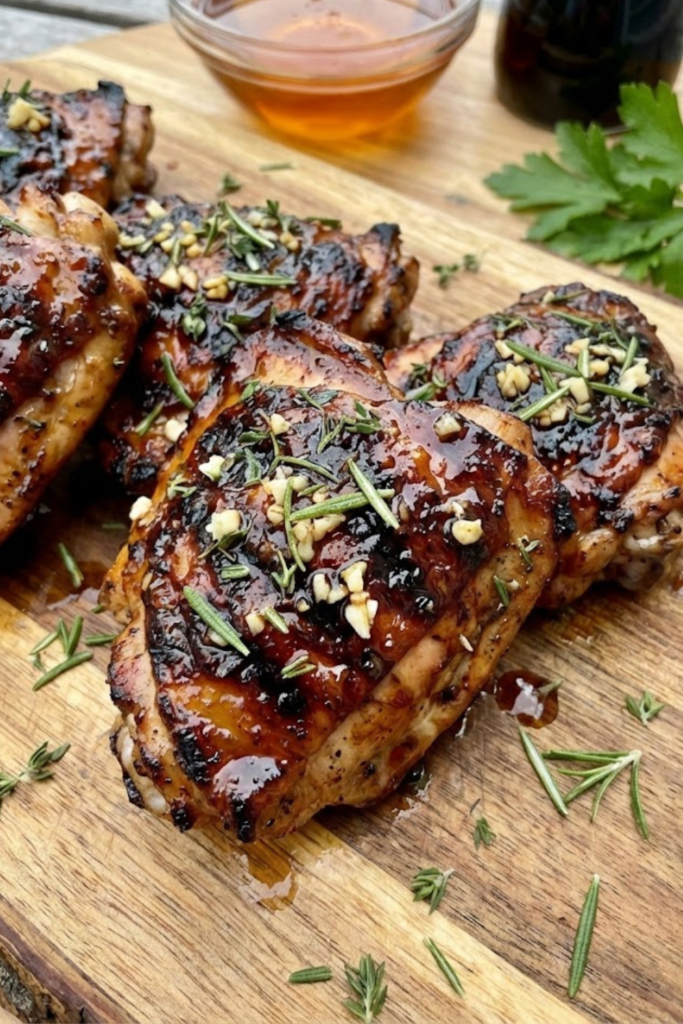
There is absolutely nothing worse than dry, flavorless chicken at a barbecue—it’s a total mood killer!” But imagine biting into a drumstick that is sticky, sweet, and perfectly charred on the outside while staying incredibly juicy on the inside. That is exactly what we are making today. I’ve spent years perfecting this grilled honey chicken recipe, and let me tell you, the secret is all in the marinade! whether you are a grill master or a total newbie, this guide will help you achieve that restaurant-quality glaze right in your backyard. Let’s fire up the grill!
Choosing the Best Chicken Cuts for Grilling
Look, I’ve got a confession to make. For years, I was that person buying boneless, skinless chicken breasts for every single barbecue. I thought I was being healthy or making things easier on myself because there were no bones to deal with. But honestly? I was serving my friends and family meat that tasted like grilled cardboard.
It wasn’t until I completely ruined a Fourth of July cookout that I learned my lesson. I left the breasts on for maybe two minutes too long, and they were tough enough to sole a shoe. That was the day I decided to venture into the world of dark meat, and I haven’t looked back since. If you want that juicy, sticky grilled honey chicken that falls off the bone, the cut of meat you choose matters more than you think.
Why I Ditched the Breasts
Here is the thing about chicken breasts: they are super lean. While that is great for a salad on a Tuesday, it’s a nightmare for the high heat of a grill. Without fat to protect it, the meat dries out almost instantly.
If you absolutely must use breasts, pound them out so they are even thickness. But take it from me, just skip them for this recipe. You want something that can handle the heat and the sweet glaze without turning into rubber.
The Magic of Bone-In Thighs
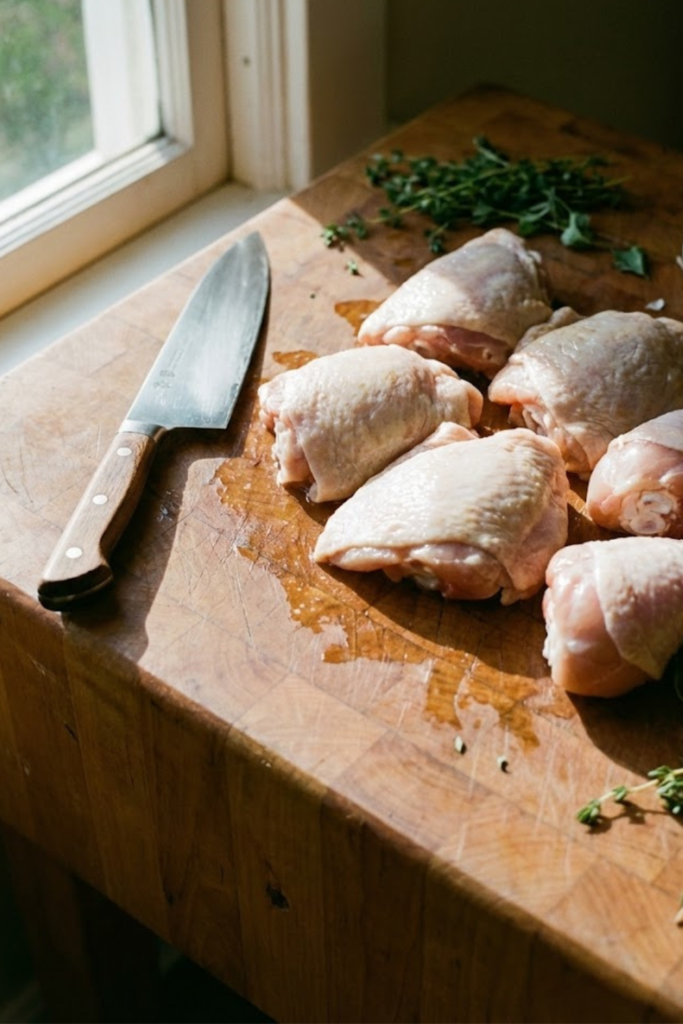
My absolute favorite cut for this recipe is bone-in skin-on chicken thighs. The bone acts like an insulator, helping the meat cook more evenly, while the skin gets nice and crispy.
I remember the first time I grilled thighs; I was terrified of flare-ups. I threw them on and watched the fat drip down, creating these huge flames. I panicked! But I learned that if you move them to a cooler part of the grill (we’ll talk about heat zones later), that fat renders down and bastes the meat from the inside out.
Plus, thighs are way more forgiving. If you get distracted talking to a neighbor and leave them on for an extra five minutes, they will still be juicy. That is a win in my book. +1
Don’t Sleep on Drumsticks
If you are feeding a crowd or have kids, chicken drumsticks are a total lifesaver. They are usually cheaper than other cuts, which helps when you are buying food for twenty people.
Drumsticks are also fun to eat and have a great handle for dipping. I find they cook a bit faster than thighs, so you have to keep an eye on them. One mistake I used to make was not turning them enough. You want to rotate them every few minutes so the honey garlic marinade caramelizes all the way around without burning on one side.
Quick Prep Tips
Before you even think about the marinade, grab your kitchen shears. Most thighs come with a lot of extra skin hanging off the sides. You don’t need all that.
Trim the skin so it just covers the meat nicely. If you leave too much, it just gets flabby and gross, and nobody wants that. Also, pat the chicken dry with paper towels before marinating. It sounds weird, but it helps the marinade stick better. Trust me on this one.
The Secret Honey Garlic Marinade Ingredients
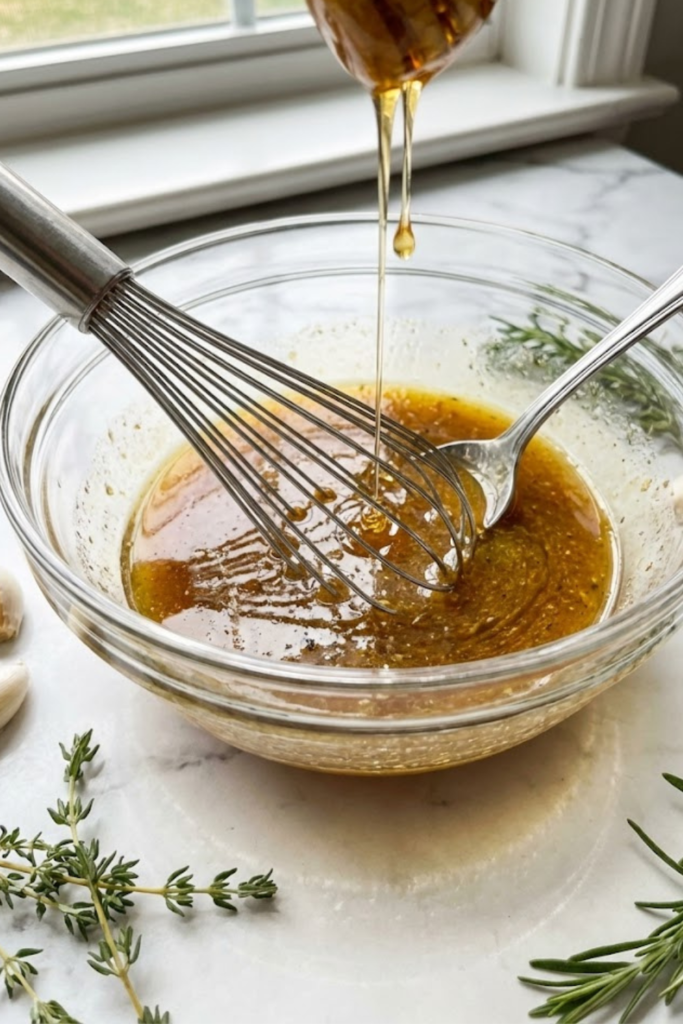
You know that saying, “you get out what you put in”? Well, that applies tenfold to marinades. For the longest time, I was guilty of buying those pre-made bottles from the grocery store. You know the ones—they’re loaded with preservatives and high fructose corn syrup instead of actual honey.
I used to wonder why my grilled honey chicken never tasted like the stuff I ordered at restaurants. It was always just… okay. Not great. The day I finally decided to mix up my own concoction was a total game-changer. I remember tasting the raw marinade (don’t judge me) and realizing, “Oh, this is what flavor is supposed to be!”
It’s not just about dumping sugar on meat. It’s about balance. If you get this wrong, you end up with chicken that’s sickly sweet or overly salty.
The Sweet Stuff: Choosing Your Honey
Okay, let’s talk about the star of the show. Please, I am begging you, do not use that “honey flavored syrup” that comes in a bear. It burns way too fast on the grill.
I’ve learned the hard way that using raw honey or at least a good quality clover honey makes a massive difference. Real honey has these floral notes that actually stand up to the smoke from the grill. When I use the cheap stuff, it just tastes like burnt sugar.
Also, a sticky tip from experience: spray your measuring cup with a little oil before pouring the honey. It slides right out, and you aren’t fighting to scrape every last drop with a spatula.
Balancing the Salty and Savory
You need something to cut through that sugar, or you’ll feel like you’re eating dessert. I use regular soy sauce, but if you are cooking for someone with an allergy, a soy sauce substitute like Tamari works perfectly fine.
The garlic situation is where I used to mess up. I used to use garlic powder because I was feeling lazy. Big mistake. Fresh minced garlic brings a punch that powder just can’t replicate. I usually say three cloves, but honestly? Measure garlic with your heart. I usually throw in five or six because I love that bite.
The Secret Acid and Spices
Here is the ingredient most people forget: acid. I add a splash of apple cider vinegar. It does two things. First, it helps in tenderizing meat by breaking down the fibers. Second, it brightens up the whole dish so it’s not just heavy and sticky.
For the spices, I went through a phase where I added everything in my spice cabinet. It was a disaster. Now, I keep it simple. A knob of fresh ginger (grated) gives it a zesty kick. And my secret weapon? Smoked paprika. It reinforces that grilled flavor even if you are just using a gas grill.
The Marinade Breakdown:
- Quality Honey: For caramelization and sweetness.
- Soy Sauce: For that deep, savory umami bomb.
- Fresh Garlic & Ginger: Don’t swap these for powders!
- Apple Cider Vinegar: The secret tenderizer.
- Smoked Paprika: For a subtle, smoky background note.
How Long Should You Marinate?
I used to be impatient. I’d toss the chicken in the bag, wait twenty minutes, and throw it on the grill. It was bland inside every single time.
Through a lot of trial and error, I found the sweet spot. You need at least 2 hours. If you can do it overnight, that’s even better. But be careful—because of the vinegar, if you go past 24 hours, the texture of the chicken can get a little mushy. I did that once for a potluck, and the texture was… weird.
Just toss it all in a ziplock bag, massage it around so every piece is coated, and let the fridge do the work. It’s the easiest prep ever, but it makes you look like a culinary genius.
Grilling Techniques: How to Avoid Burning the Honey
If there is one thing that scares me about grilling with honey, it is the dreaded “blackened chicken” disaster. We have all been there, right? You put the meat on the grill, walk away to grab a drink, and come back to find your dinner looks like a charcoal briquette.
I used to think that “char” was just flavor. But there is a fine line between a tasty sear and the bitter taste of burnt sugar. Because this marinade is loaded with honey, it caramelizes fast. Like, blink-and-you-miss-it fast. I learned the hard way that you cannot just treat this like a regular steak. You need a strategy, or you’ll end up ordering pizza while your guests stare at the burnt remains of your hard work.
The Two-Zone Setup (Game Changer)
This was the biggest “aha!” moment of my grilling life. You have to set up your grill for indirect heat grilling. Whether you use gas or charcoal, this saves your life.
On a gas grill, I light the burners on one side and leave the other side off. On my charcoal grill, I pile the coals to one side. This creates a safe zone. I start the chicken on the cool side first. It cooks the meat through without the direct flames licking up and scorching the sugar immediately.
It prevents those nasty flare-ups that happen when fat drips down. I used to just spray water on the fire like a maniac, but moving the chicken is way smarter.
Managing the Heat
You want your grill temperature to hover around 350°F to 400°F. I know it’s tempting to crank it up to high to get it done faster, but resist the urge! High heat is the enemy of honey.
If you are using charcoal, this is tricky. I usually wait until the coals are covered in white ash before I even think about putting meat on. If you put the chicken on while the fire is roaring, the outside will burn before the inside is even warm.
Invest in a meat thermometer guide or a simple instant-read thermometer. It takes the guesswork out of it. You want that chicken to hit 165°F internally. Relying on the “poke test” is how I served undercooked chicken to my mother-in-law once. Never again.
The Golden Rule of Basting
Here is the secret that changed everything for me. Do not—I repeat, do not—slather on the heavy glaze at the beginning.
The marinade that the chicken sat in is fine, but that extra sticky sauce you saved? That goes on at the very end. I wait until the chicken is basically done, maybe the last 5 or 10 minutes of cooking.
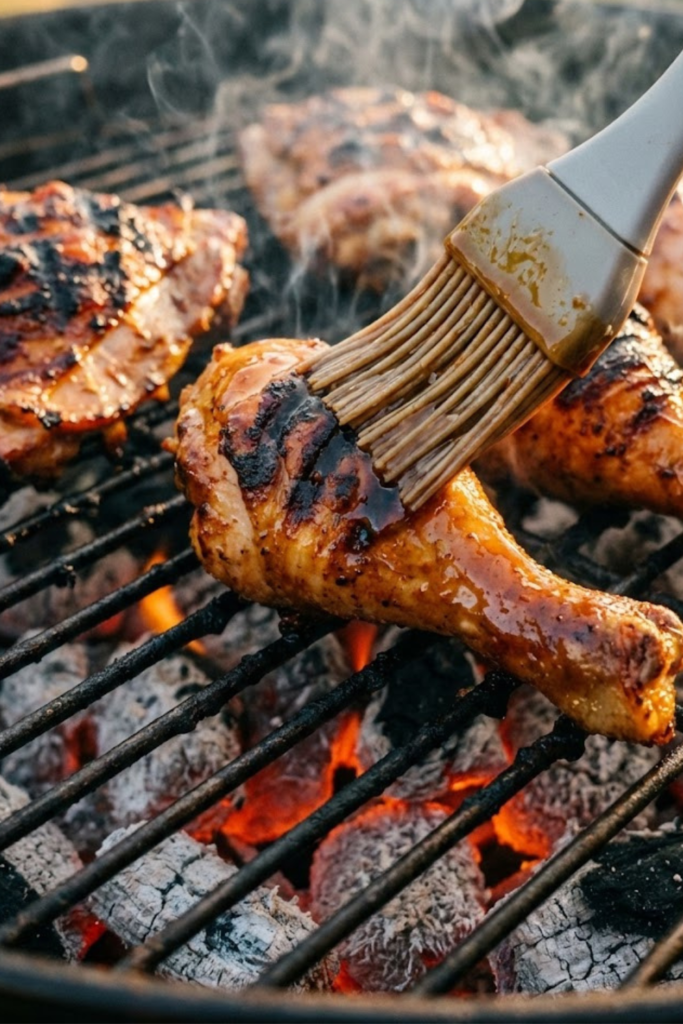
I move the chicken over to the direct heat side just for a minute to crisp the skin. Then, I grab my favorite silicone brush (I prefer these over basting brush types with bristles because they don’t shed) and paint the sauce on.
Then, you have to watch it like a hawk. I stand right there with the tongs. 30 seconds, flip. Brush. 30 seconds, flip. It bubbles up and gets sticky and delicious without turning into carbon.
Serving Suggestions and Perfect Side Dishes
Okay, so you have nailed the grilled honey chicken. The glaze is sticky, the skin is crispy, and it looks like it belongs on the cover of a food magazine. But then you look at the rest of the table and realize… you forgot to plan the sides.
I have been there. I once served this beautiful, complex chicken with a bag of plain potato chips because I ran out of time. It was tragic. Over the years, I’ve learned that the sides need to complement that sweet and savory flavor profile, not compete with it. You want things that balance out the richness of the honey.
Starchy Sides to Soak Up the Sauce
Since this chicken is sticky, you need something to catch all those delicious drippings. My go-to is garlic butter rice. It is simple, but it does the heavy lifting. I usually make a big pot of jasmine rice and stir in some sautéed garlic and butter right at the end. When that honey glaze drips onto the salty rice? Oh man, it is heaven.
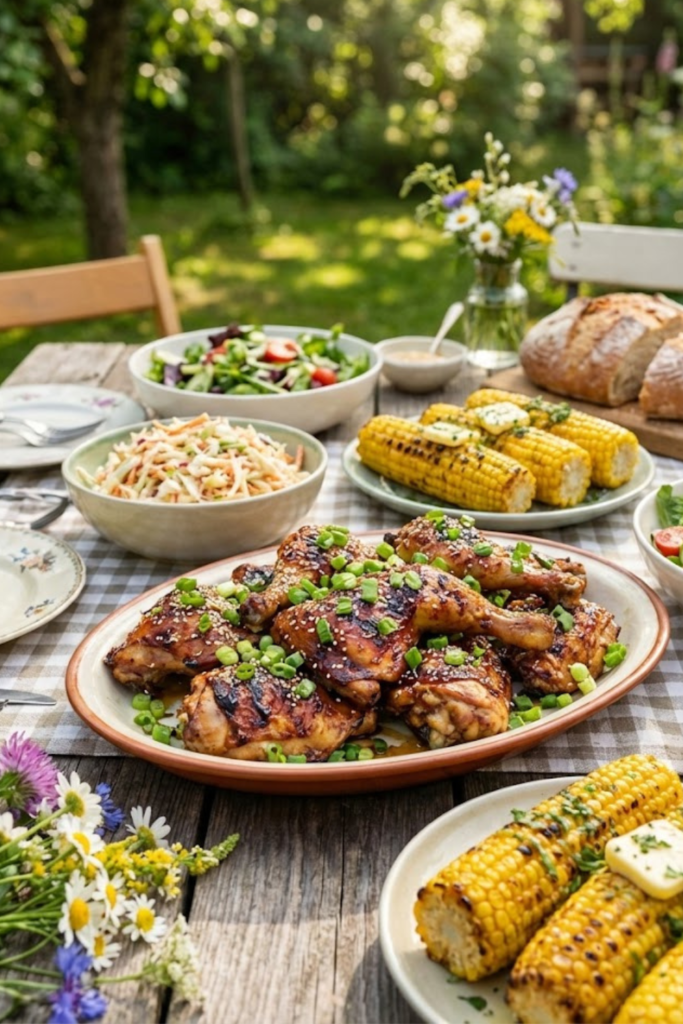
If I am grilling, I try to keep everything outside so I’m not running back and forth to the kitchen. Grilled corn on the cob is a no-brainer here. I leave the husks on to steam them a bit, then peel them back to get some char. A little bit of chili powder and lime on the corn pairs perfectly with the chicken.
One time, I tried serving this with heavy mac and cheese, and it was just too much. Everyone was asleep on the couch by 7 PM. Stick to lighter starches if you can.
Fresh and Crunchy Salads
Because the chicken is sweet, you need some acid and crunch to wake up your palate. A vinegar-based coleslaw is my secret weapon. I skip the creamy mayo dressing for this one and go with a zesty vinaigrette. The acidity cuts right through the sugar of the honey.
A cucumber salad with red onions and sesame oil is another great option. It’s refreshing and cold, which is exactly what you want on a hot summer day. Plus, these vegetable side dishes can be made ahead of time.
I learned the hard way that you shouldn’t dress a green salad until the very last second. I once made a beautiful mixed greens salad an hour before guests arrived, and by dinner time, it was a sad, soggy mess. Lesson learned.
The Final Touches: Garnishes
We eat with our eyes first, right? When the chicken comes off the grill, it can look a little dark because of the caramelized honey. It needs a pop of color.
I always have chopped green onions and toasted sesame seeds ready to go. Sprinkling them over the hot chicken not only looks pro but adds a nice texture.
And don’t forget the lime juice acidity. I usually cut up a few wedges and throw them on the platter. A little squeeze of fresh lime right before you take a bite adds this brightness that takes the dish from “good” to “restaurant quality.”
Look, mastering this grilled honey chicken was a total journey for me, going from someone who was terrified of flare-ups to actually feeling like a grill master in my own backyard. It wasn’t just about getting that sticky, caramelized glaze perfect—though that was a huge win—it was about finally serving a family dinner that didn’t taste like burnt cardboard! If you manage to have any leftovers (which, let’s be honest, is rare), they make for amazing meal prep chicken the next day, but don’t forget to soak those grates immediately or “tomorrow you” is going to be seriously annoyed with “today you”. I really hope this guide saves you from the disasters I went through, so please do me a solid and share this recipe to your “Summer BBQ” board on Pinterest; it helps other home cooks find these tips and keeps me motivated to share more!