Did you know that the average person spends over 40 minutes just deciding what to cook for dinner? That used to be me, standing in front of the fridge, totally panic-stricken! But those days are over. Prepare to fall in love with this creamy spinach tomato tortellini recipe. It is genuinely a lifesaver for busy weeknights when you need something hearty, soul-warming, and fast. I stumbled upon this combination by accident when I only had a bag of spinach and some heavy cream left, and wow—it was a flavor explosion! We are going to dive into how to balance the acidity of the tomatoes with the richness of the cream to create a sauce that clings to every single piece of pasta. Let’s get cooking!
Gathering the Essential Ingredients for Your Tortellini Feast
You know that feeling when you’re all set to cook, and you realize you bought the wrong type of cream? Yeah, I’ve been there. I remember standing in my kitchen a few years ago, staring at a pot of watery, sad-looking soup that was supposed to be a rich pasta sauce. I had tried to cut corners with skim milk and dried pasta I found in the back of the pantry. It was a total flop.
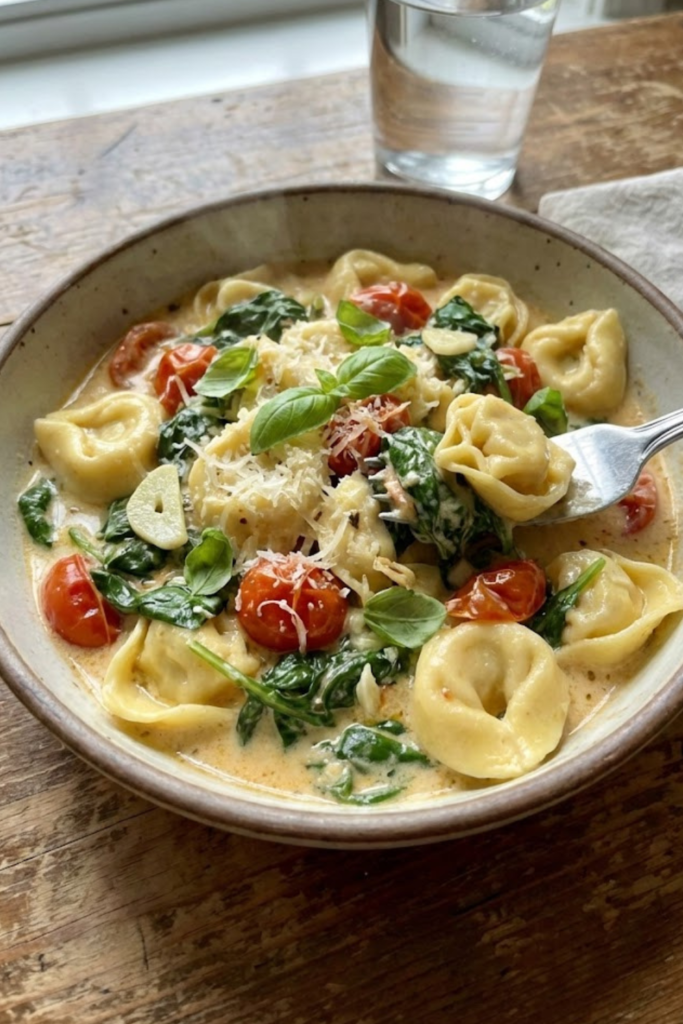
To make this creamy spinach tomato tortellini recipe actually taste like a hug in a bowl, you have to respect the ingredients. You don’t need the most expensive stuff, but you need the right stuff. Let’s break down what matters so you don’t end up with a dinner disaster like I did.
Picking the Perfect Pasta
Okay, first things first: the tortellini. Please, I am begging you, go for the refrigerated kind. You know, the ones you find near the fancy cheeses in the grocery store.
I used to buy the dried stuff on the shelf because it was cheaper. But let’s be real—it tastes like rubber. Refrigerated cheese tortellini cooks in like 3 minutes and has that tender, pillowy bite that we all crave. It makes the dish feel homemade even if you didn’t roll the dough yourself. If you can find spinach-filled ones, grab those, but plain cheese is my go-to for this sauce.
Why Fresh Tomatoes Matter
I have a confession. I used to think canned diced tomatoes were fine for everything. They aren’t.
For this dish, you really need fresh cherry or grape tomatoes. When you throw them in the hot pan, they blister and pop (literally, watch your eyes!). That bursting action releases a sweet, fresh juice that mixes with the cream to create the sauce base. Canned tomatoes just taste… tinny. And they turn into mush. We want those little bursts of brightness to cut through the heavy cream.
The Cream Factor
Here is where people get scared of calories and ruin the dinner. You need heavy whipping cream. Not half-and-half, and definitely not milk.
I tried using milk once because I was “watching what I ate.” The acid from the tomatoes curdled the milk instantly. It looked like a science experiment gone wrong. Heavy cream has enough fat to stand up to the acidity of the tomatoes without separating. It’s what gives the sauce that glossy, restaurant-quality look. Just embrace it; it’s comfort food, not a salad!
Spinach and Aromatics
Finally, grab a bag of fresh baby spinach. You might think a whole bag is too much, but spinach is dramatic—it wilts down to basically nothing in seconds.
Also, don’t use the jarred garlic stuff. Grab a few fresh cloves and mince them yourself. The jarred stuff has a weird sour taste that can mess up the sweetness of the cream. And of course, get a wedge of real Parmesan cheese to grate on top. The pre-shredded stuff is coated in potato starch and doesn’t melt right.
Mastering the Creamy Tomato Spinach Sauce
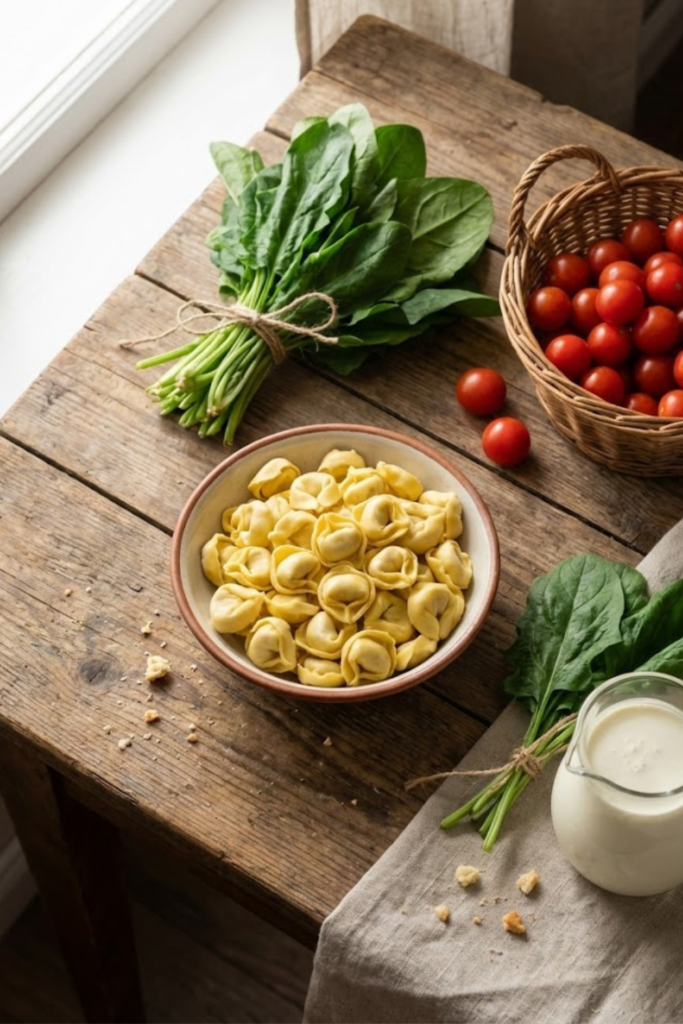
I have a bit of a love-hate relationship with making sauces. For years, I was the queen of breaking sauces—you know, when the oil separates from the cream and it looks like a greasy mess? It’s heartbreaking. But after way too many failed attempts and a lot of wasted cheese, I finally cracked the code for this creamy spinach tomato tortellini recipe.
The secret isn’t some fancy culinary degree; it’s mostly just patience and heat control. Let’s walk through how to build this sauce so it comes out velvety and smooth every single time.
Don’t Burn the Goods
We start with the aromatics. I used to think “sauté” meant cranking the burner to high and throwing everything in. Big mistake.
If you burn the garlic, your whole dish is ruined. It gets bitter and nasty, and there is no coming back from that. I usually heat my olive oil over medium heat—not high! Toss in the minced garlic and maybe some onion if you’re feeling fancy. You only want to cook it for about a minute or two. As soon as you can smell that amazing garlic smell fill the kitchen, it’s time to move on. If it turns brown, you went too far. I’ve had to scrape the pan into the trash and start over more times than I’d like to admit.
The Tomato “Pop”
Here is the fun part. Toss in those cherry tomatoes.
I like to let them sit in the pan for a minute without touching them. We want them to blister. You’ll hear them start to hiss and pop. This is crucial because we want them to release their juices into the pan. Use the back of your spoon to gently squish a few of them if they are being stubborn. This tomato juice mixes with the oil and garlic to create the flavor base. It’s messy, but it’s worth it.
Patience with the Cream
Now, pour in the heavy cream. This is where I used to mess up by boiling it to death.
You want to bring it to a gentle simmer. Do not let it boil vigorously! If you boil heavy cream too hard, it can separate or get a weird grainy texture. Just let it bubble softly for about 3 to 5 minutes. You’ll see it start to thicken up and coat the back of your spoon. That’s when you know it’s ready for the cheese.
Stir in the parmesan cheese gradually. If you dump it all in at once, it clumps up. I learned that the hard way. Whisk it in slowly so it melts into that luxurious liquid gold.
The Spinach Finish
Finally, the spinach. It goes in last.
If you put the spinach in too early, it turns into dark green mush. Nobody wants slime in their pasta. I toss the fresh baby spinach in right when the sauce is thick. It looks like a mountain of leaves, but give it a stir. In literally one minute, it will wilt down perfectly.
Season with salt, pepper, and maybe a pinch of red pepper flakes if you like a kick. Taste it now! This is your last chance to fix the flavor before the pasta goes in. The sauce should be rich, savory, and cling to the spoon.
Boiling the Tortellini to Al Dente Perfection
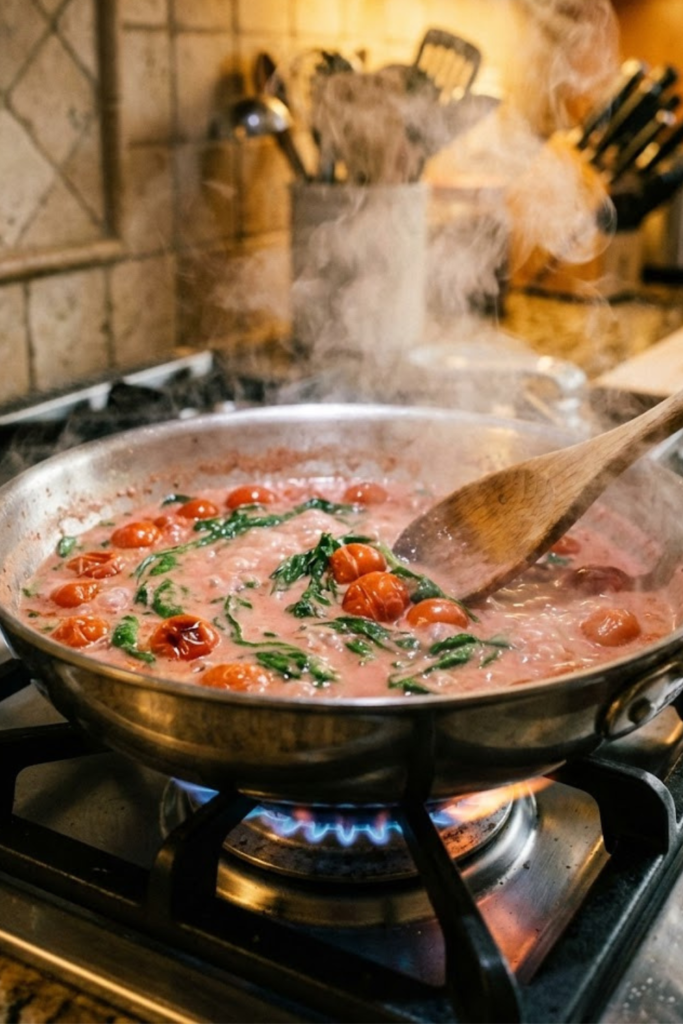
You’d think boiling water is the easiest part of cooking, right? Wrong. I can’t tell you how many times I’ve turned beautiful, delicate pasta into a sad, mushy mess because I walked away for “just a second” to check Instagram.
When making this creamy spinach tomato tortellini recipe, the pasta is the star of the show. If you overcook it, the filling spills out, and you’re left with empty pasta shells floating in the sauce. It’s tragic. Let’s talk about how to get that perfect bite without ruining dinner.
The Salt Situation
First off, we need to talk about the water. I used to be scared of salt. I thought, “Hey, the cheese is salty, I don’t need more.” That was a rookie mistake.
You need to salt your boiling water heavily. I mean, it should taste like the ocean. This is your only chance to season the actual pasta dough itself. If you skip this, the dish will taste bland, no matter how good your sauce is. I usually throw in a generous tablespoon of kosher salt once the water is at a rolling boil. Don’t worry, you aren’t eating all that salt; most of it goes down the drain.
The Blink-and-You-Miss-It Timing
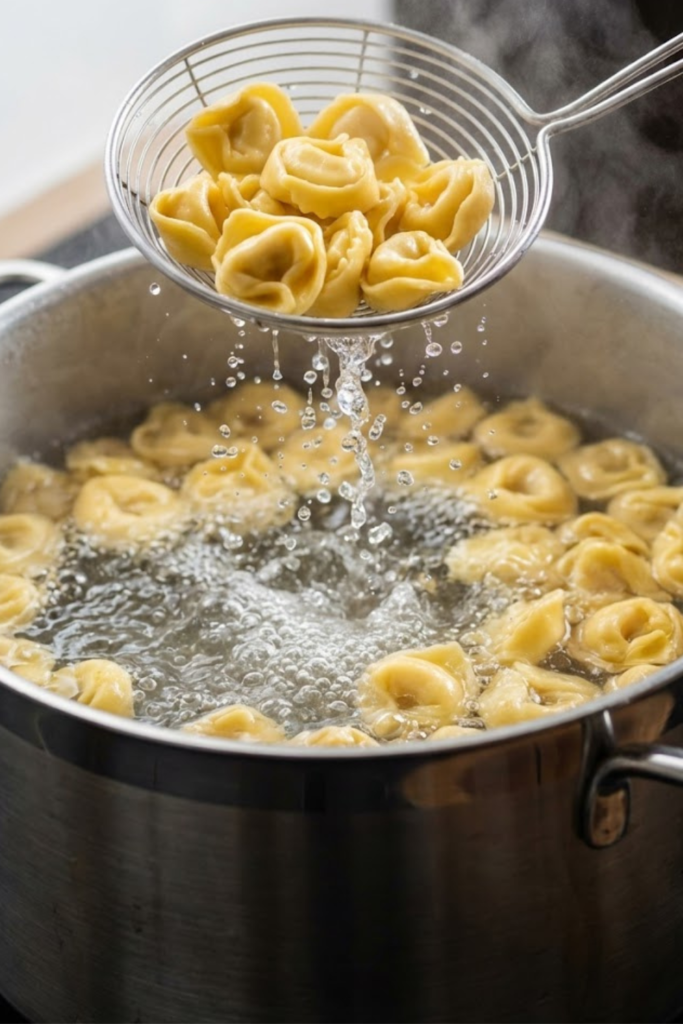
Here is where things get tricky. Unlike dried spaghetti that takes 10 minutes, fresh refrigerated tortellini cooks fast. Like, really fast.
Usually, it only takes about 2 to 3 minutes. I remember the first time I made this; I treated it like dried pasta and let it boil for 10 minutes. It was a disaster. The tortellini fell apart, and the ricotta filling dissolved into the water.
The trick is to watch for the float. As soon as the tortellini bob to the surface of the water, they are pretty much done. I actually like to pull them out about 30 seconds before the package says they are done. Why? because they are going to keep cooking when we toss them into that hot, creamy sauce.
The Liquid Gold: Pasta Water
Before you dump that water into the sink, stop! This is the biggest lesson I’ve learned in my cooking journey.
Grab a mug and scoop out about half a cup of that cloudy, starchy pasta water. It looks dirty, but it’s actually liquid gold. Sometimes, the cream sauce can get a little too thick or “tight” once the cheese melts. If that happens, splashing in a little bit of this starchy water smooths everything out instantly. It helps the sauce cling to the pasta instead of sliding off. It’s a total game-changer.
Once you’ve saved your water, drain the pasta gently. Don’t rinse it! You want that starch on the outside to help marry the pasta to the sauce.
Customizing Your Creamy Tortellini Dish
Look, I love this creamy spinach tomato tortellini recipe exactly how it is. It is perfect simplicity. But I live with a carnival of picky eaters who sometimes act like I’m serving them air if there isn’t a huge chunk of meat on the plate.
I’ve learned that the beauty of this dish is its flexibility. It’s basically a blank canvas that you can paint on, depending on what leftovers are rotting in your fridge or who you are trying to impress. Over the years, I’ve tweaked this recipe a hundred different ways. Some were absolute triumphs, and some… well, let’s just say the dog ate good that night. Here is how you can make this meal your own without ruining the magic.
Protein Power
My husband is one of those “it’s not dinner if there’s no meat” people. It drives me crazy. So, I often have to bulk this up to keep the peace.
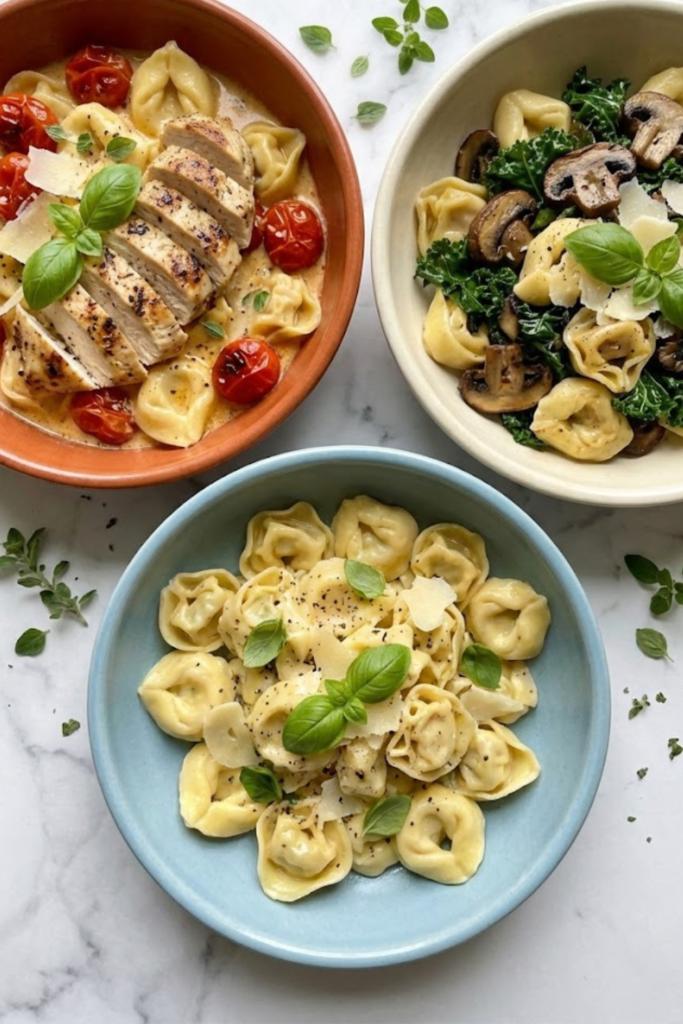
If you want a heartier meal, grilled chicken is the easiest add-in. But here is a tip I learned the hard way: do not cook the chicken in the sauce. I tried that once to save on dishes, and the chicken released so much water that my beautiful creamy sauce turned into a soup. Gross. Grill or pan-sear your grilled chicken strips separately and toss them in at the very end.
If you want a flavor bomb, try Italian sausage crumbles. The fennel in the sausage pairs insanely well with the tomato cream. Just make sure you drain the grease really well before adding the meat to the sauce, or you’ll end up with an oil slick on top of your pasta. Nobody wants that. Shrimp is also a fantastic option for a lighter feel; just sear them quickly so they don’t turn rubbery.
Veggie Variations
Spinach is classic, but sometimes the grocery store is out, or the bag in my fridge has turned into green slime. It happens.
I’ve had great success swapping spinach for kale. But be warned: kale is tough. It doesn’t wilt instantly like spinach. You need to add it to the pan at the same time as the heavy cream so it has time to soften up.
Another favorite of mine is adding sun-dried tomatoes. They add this chewy, intense sweetness that is just addictive. If you like earthy flavors, try mushrooms. But please, sauté the mushrooms with the garlic first! If you boil mushrooms in the sauce, they get a weird, spongy texture that is honestly pretty unpleasant.
Turning Up the Heat
I am a spice fiend. I put hot sauce on everything. While this dish is naturally rich and savory, a spicy kick cuts through the fat of the cream perfectly.
I usually double the amount of red chili flakes the recipe calls for. If you really want to get crazy, a teaspoon of Calabrian chili paste adds a smoky heat that changes the whole vibe of the dish. Just taste as you go. I once added cayenne pepper without measuring and blew my family’s heads off. We had to order pizza.
Gluten-Free Options
I have a few friends who are gluten-free, and I used to be terrified to cook pasta for them. The good news is that gluten-free tortellini brands have come a long way.
However, they are much more delicate than regular pasta. If you look at them wrong, they fall apart. When I make this gluten-free, I am super gentle when stirring the sauce. I also skip the step of finishing the pasta in the sauce for a minute. Instead, I plate the pasta and pour the sauce over it. It saves the pasta from breaking and keeps the meal looking pretty.
Storing and Reheating Leftovers
I used to be the kind of person who would throw away leftovers because I “didn’t like the texture.” I know, it was wasteful and terrible. But honestly, nothing is more disappointing than looking forward to a delicious lunch, only to open your container and find a solid, greasy brick of pasta.
When it comes to this creamy spinach tomato tortellini recipe, leftovers can be tricky. Cream sauces are temperamental. They like to separate, break, and turn into an oil slick if you look at them the wrong way. But after ruining countless lunches and crying over spilled milk (literally), I’ve figured out how to make day-two pasta taste almost as good as day-one.
The Fridge Situation
First off, let’s talk storage. Do not just throw the pot in the fridge with a lid on it. I’ve done it, and the pasta dries out.
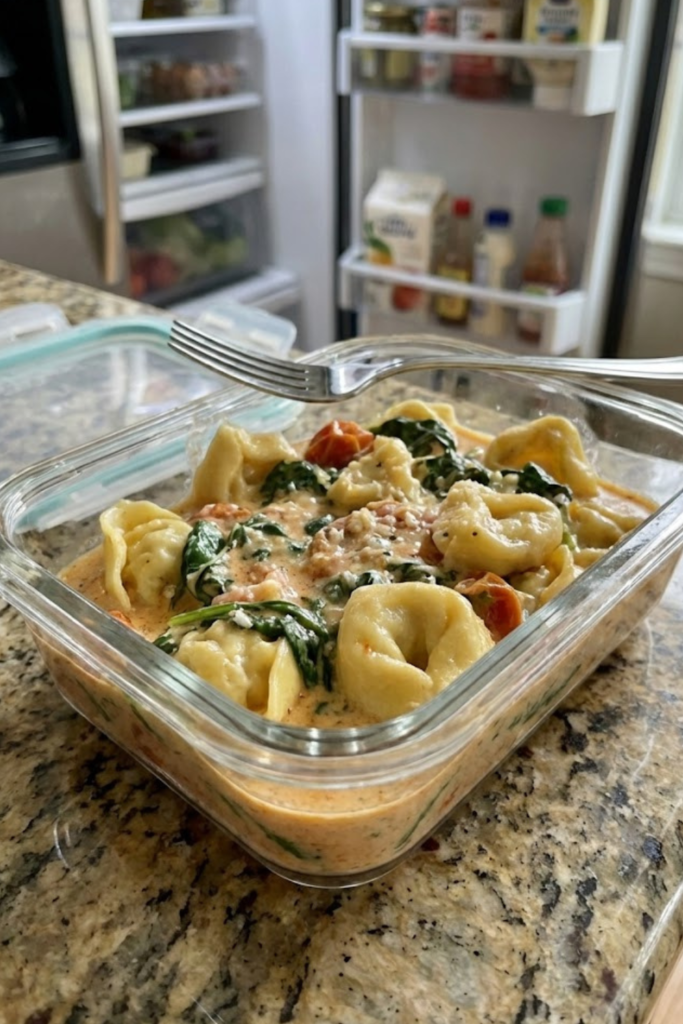
You need a good, airtight container. I prefer glass containers because tomato sauce has a nasty habit of staining plastic forever. I have a whole cabinet of orange-tinted Tupperware to prove it.
Transfer the leftovers to the container while they are still slightly warm, but let them cool completely before snapping the lid on. If you seal it while it’s piping hot, condensation forms, and you get watery sauce. Store it in the fridge for up to 3 days. Any longer than that, and the spinach gets weirdly slimy, and the cream starts to taste a bit funky.
The Reheating Ritual
Here is where most people mess up. Please, I am begging you, step away from the microwave “High” button.
If you nuke this dish on full power, the cream will separate. You’ll end up with a pool of butter and clumpy cheese curds. It is not appetizing. The best way to reheat is actually back on the stove.
Dump your leftovers into a small saucepan over low heat. You’ll notice the sauce has disappeared. The pasta acts like a sponge in the fridge and drinks up all the liquid. To fix this, add a splash of milk or water—about a tablespoon per serving. Stir it gently as it warms up. The liquid brings the sauce back to life and makes it creamy again. It takes about 5 minutes, but it is worth the extra dirty pan.
If you must use the microwave because you are at work or just lazy (no judgment, I’ve been there), use 50% power. Add a splash of water, cover it with a damp paper towel to create steam, and heat it in 30-second bursts, stirring in between. It takes patience, but it prevents the dreaded oil explosion.
The Freezer Warning
I have tried freezing this. It was a mistake.
Rich dairy-based sauces like this one just do not freeze well. The freezing and thawing process breaks the emulsion of the cream. When I thawed it out, the texture was grainy, and the tortellini had turned to mush. It was basically inedible soup. So, do yourself a favor and just eat this fresh or within a few days. It’s too good to waste on a freezer experiment gone wrong.
Well, we made it to the end. I honestly can’t believe how simple this creamy spinach tomato tortellini recipe is every time I make it. It feels like cheating. You get this fancy, high-end dinner that looks like it took hours, but you’re literally done before the next episode of your favorite show starts.
I hope you give this a shot the next time you are staring into the fridge, feeling totally uninspired. It has saved my dinner plans more times than I can count. If you loved this recipe (and I really think you will), do me a huge favor. Pin this to your “Easy Weeknight Dinners” board on Pinterest! It helps me out a ton, and it means you won’t lose the recipe when the craving hits you next week. Happy cooking!