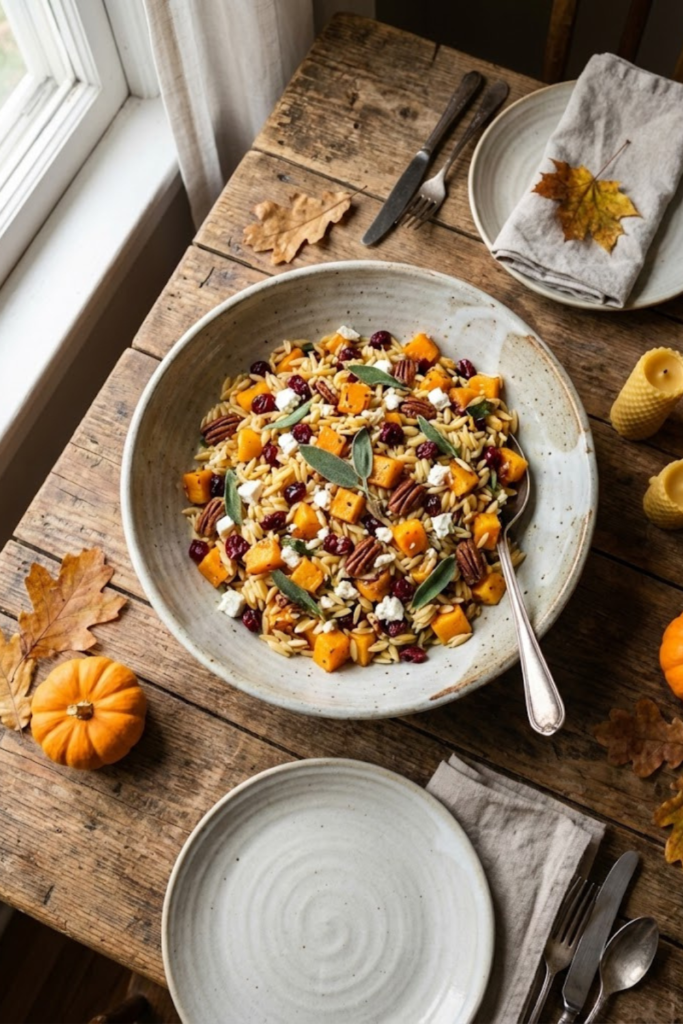
You know that feeling when the air turns crisp, and all you want is something cozy yet fresh? That’s exactly where this salad comes in! I honestly can’t believe it took me this long to combine roasted veggies with orzo, but wow, it is a game-changer. The best fall harvest orzo salad isn’t just a side dish; it’s the star of the show! Whether you’re meal-prepping for a busy week or heading to a potluck, this dish screams autumn. Did you know that butternut squash is technically a fruit? Crazy, right? Let’s dive into a bowl of this goodness.
Why You’ll Fall in Love With This Orzo Salad
I have to be real with you for a second. There was a time when I thought salad was just sad lettuce and a bottle of ranch dressing. I remember bringing a bowl of iceberg lettuce to a friend’s Thanksgiving dinner a few years back. It got soggy within ten minutes, and honestly, nobody touched it. It was embarrassing! That failure taught me a huge lesson: salads need substance. They need to stand up for themselves. That is exactly why this is the best fall harvest orzo salad you are ever going to make.
This isn’t just rabbit food. It’s hearty, it’s comforting, and it screams autumn. When I first tested this recipe, I actually burnt the pecans because I was distracted by the dog. Rookie mistake, right? But once I got it right, the combination of flavors just blew my mind.
It’s All About That Texture
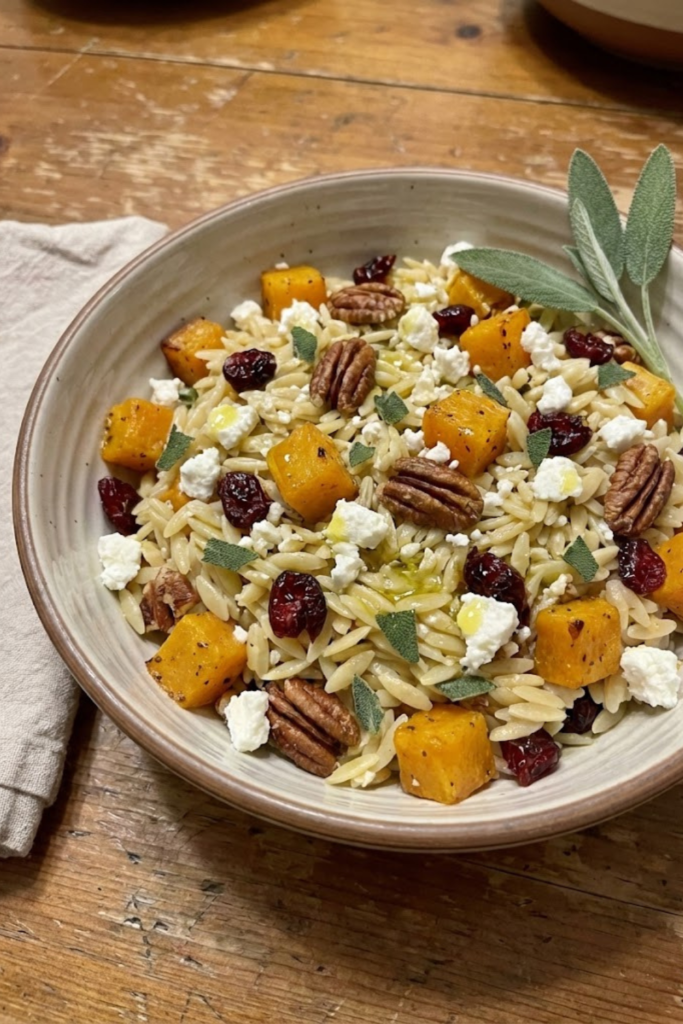
Let’s talk about the mouthfeel because that is where a lot of autumn salad recipes fail. You can’t just have mush. In this bowl, you get the tender, rice-like pasta which is soft and satisfying. Then, bam! You get a crunch from the toasted pecans.
I usually throw in extra nuts just for that snap. And don’t get me started on the creamy feta. It coats everything in a salty, tangy goodness that makes you want to lick the spoon. If you have ever been bored by a roasted vegetable salad, this one is gonna change your mind.
The Flavors Just Work
The sweetness of the butternut squash is the real MVP here. I used to be intimidated by cutting squash—it’s tough!—but a sharp knife and a little patience go a long way. When you roast it, it gets caramelized and sugary, which pairs perfectly with the tart dried cranberries.
It is like a party in your mouth. One time, I tried using raisins instead of cranberries. Big mistake. It was way too sweet. You need that tart kick to balance the maple dressing. Trust me on this one.
A Lifesaver for Busy Weeks
I am a teacher, so my weekdays are absolute chaos. I don’t have time to cook a fancy lunch every single day. This dish is one of those healthy fall lunch ideas that actually tastes better the next day. The orzo soaks up that dressing, and the flavors get deeper.
I’ll make a huge batch on Sunday night. By Wednesday, I am still excited to eat it. Plus, it is sturdy enough to be one of your go-to Thanksgiving side dishes. It won’t wilt on the buffet table while you’re waiting for the turkey to be carved. It stays fresh, vibrant, and delicious. You are gonna be the hero of the potluck, I promise.
Essential Ingredients for the Perfect Autumn Bowl
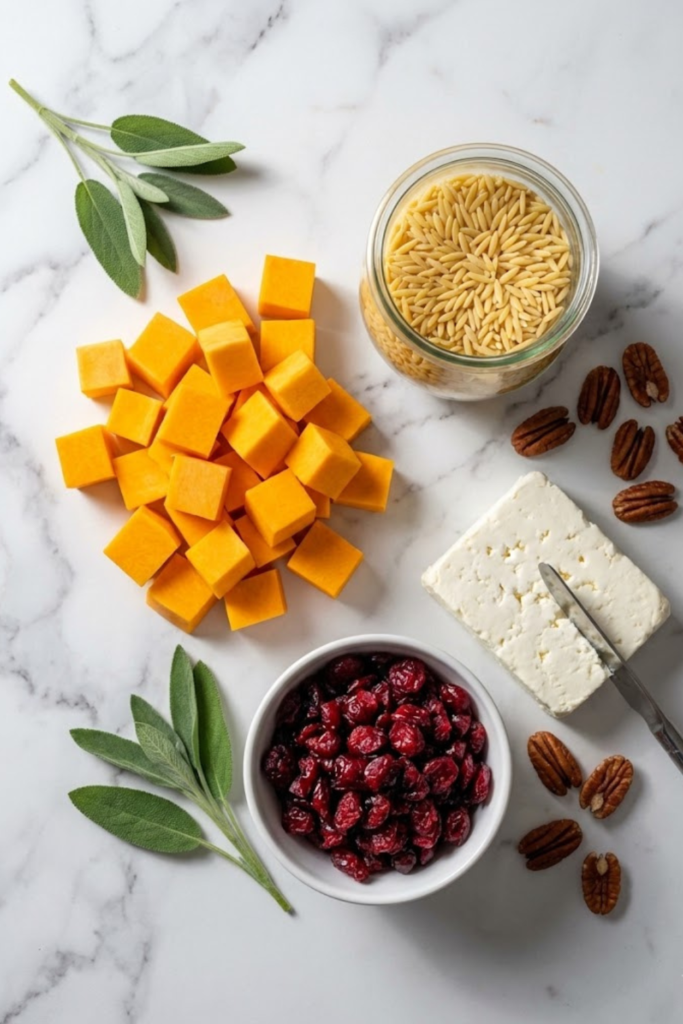
Shopping for the best fall harvest orzo salad isn’t complicated, but let me tell you, quality matters. I learned this the hard way a few years ago when I tried to use frozen squash cubes to save a few bucks. It turned into a watery, sad mess that ruined the whole vibe of the dish. Never again! We want vibrant, fresh ingredients that scream seasonal eating and actually hold up in the bowl.
Picking the Right Pasta
First up, let’s talk about the base. A lot of people get confused and think orzo is rice because of the shape, but it is definitely pasta. I usually grab a bag of De Cecco or DeLallo because I find they hold their shape better than the generic store brands.
One time, I got completely distracted by a phone call and let the orzo boil for about 12 minutes. It was essentially baby food by the time I drained it. You want it al dente, which usually takes about 8 or 9 minutes. That slight bite is crucial for a good orzo pasta salad, otherwise, it just gets lost against the crunchy nuts.
The Veggie Situation
The star of the show is the butternut squash. Now, I have a serious love-hate relationship with this vegetable. Peeling a raw butternut squash can feel like a wrestling match, and I have definitely nicked my finger more than once.
My hack? I pop the whole squash in the microwave for two minutes before peeling. The skin comes right off! If you are really pressed for time, those bags of pre-cut cubes at the grocery store are a total lifesaver. Just make sure you toss them with plenty of olive oil and cinnamon for that cinnamon roasted squash magic.
The Crunch and Cream
You need dried cranberries and pecans to get that classic harvest flavor profile. Please, for the love of food, toast your pecans! I used to skip this step because I was lazy and didn’t want to dirty another pan.
But putting them in a dry skillet for just three minutes releases these oils that make them taste amazing. It makes the whole kitchen smell like a candle, too. Then comes the cheese. I am a sucker for a block of feta in brine. The pre-crumbled stuff usually has a weird powdery coating on it that prevents it from melting into the warm pasta. Crumbling it yourself makes for creamier pockets in feta cheese recipes like this one.
Don’t Skimp on Herbs
Finally, the herbs. This is where you get that earthy, sophisticated flavor. I use fresh sage and thyme. Do not use dried sage!
I made that mistake once, and it tasted dusty and overpowering. Fresh sage chopped fine is what makes this one of the top autumn salad recipes in my rotation. It just smells like Thanksgiving. If you can’t find sage, fresh parsley works, but it won’t have that same cozy punch.
How to Make the Maple Cider Vinaigrette
Listen, you can roast the veggies perfectly and pick the fanciest cheese, but if the dressing sucks, the whole salad is trash. I am serious! For the longest time, I was terrified of making my own salad dressing. I used to buy this expensive bottle of “Autumn Vinaigrette” from the store that cost like eight dollars. It tasted okay, but it had this weird chemical aftertaste that ruined the vibe. Once I realized how easy it was to whip up a Maple vinaigrette dressing at home, I felt so silly for wasting all that money.
The Sweet and the Tangy
The key here is balance. You don’t want it to be a dessert, but you don’t want your lips to pucker so hard they fall off. The base is simple: extra virgin olive oil and real maple syrup. Please, I am begging you, do not use the pancake syrup that is made of corn syrup. It is just not the same. You need that deep, woody sweetness to complement the roasted vegetable salad.
Then comes the acid. I love using apple cider vinegar because it has that fruity zing. I tried using white vinegar once because I was out of cider vinegar. It was way too harsh and basically burned my throat. An Apple cider vinegar dressing just feels warmer and more appropriate for fall.
The Secret Binding Agent
Here is the trick that took me years to figure out: Dijon mustard. It acts as an emulsifier. Basically, oil and vinegar hate each other and want to stay apart. The mustard forces them to be friends and creates that creamy, thick consistency we all want.
Without the mustard, your dressing will break, and you’ll end up with oily lettuce and a pool of vinegar at the bottom of the bowl. Gross. A good Dijon mustard dressing coats every single grain of orzo so you get flavor in every bite.
Shake It Like You Mean It
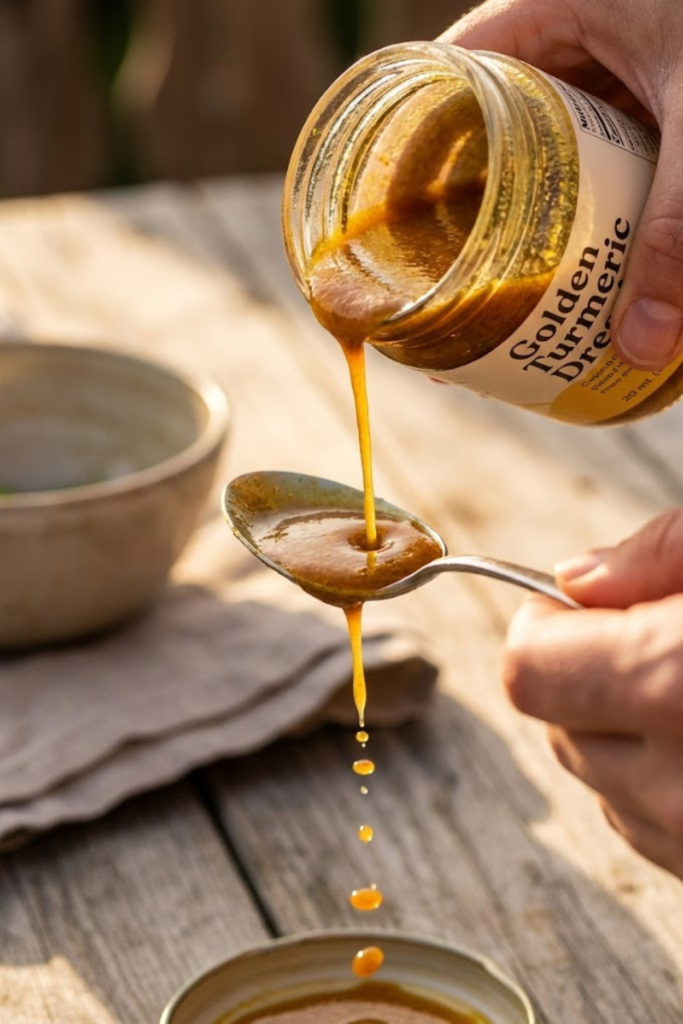
You don’t need a fancy blender or a whisk for this. My favorite tool is just a clean mason jar with a tight lid. I dump all the ingredients in—oil, syrup, vinegar, mustard, salt, and pepper—and I shake it like a Polaroid picture. It’s actually a great way to get some aggression out after a long day of teaching!
Sometimes I get lazy and just stir it with a fork in a bowl, but it never gets fully combined that way. The jar method gets it perfectly smooth. Plus, if you have leftovers (which is rare), you can just pop the jar right in the fridge. It’ll keep for a week, though mine is usually gone way before then.
Step-by-Step Instructions for Success
I am a total Type-A personality in the classroom, but I used to be a disaster in the kitchen. I would just throw things in a pot and hope for the best. Over the years, though, I’ve learned that following a few specific steps makes the difference between a “meh” dinner and a meal that gets requested every single week. Making this salad isn’t hard, but the order of operations really matters if you want that perfect texture.
Mastering the Roast
I used to think roasting veggies was just “throw ’em in the oven and pray,” but there is actually a method to the madness. If you want those caramelized vegetables that taste like candy, you have to crank the heat up. I set my oven to 400°F. Anything lower, and the squash just steams in its own juices. It gets soggy and sad.
Also, give them space! One time I dumped two whole chopped squashes onto one baking sheet because I didn’t want to wash a second pan. Big mistake. They were crowded and turned into mush instead of browning. Spread them out so the air can circulate. That is how you get those crispy brown edges we all fight over.
The Pasta Protocol
Cooking the pasta seems simple, but for an orzo pasta salad, you have to break a cardinal Italian rule. You need to rinse your pasta. I know, I know! My Italian grandmother would probably yell at me if she saw me doing this for spaghetti.
But for a cold salad, you have to rinse the orzo with cold water immediately after draining. This stops the cooking process so you get that perfect al dente orzo. If you skip this, the residual heat keeps cooking it, and it clumps together into one giant starch ball. Nobody wants to eat a sticky pasta ball.
Timing the Toss
Patience is not my strong suit, but you have to wait for things to cool down. The first time I made this, I was starving and tossed the feta in while the squash was still piping hot. The cheese melted instantly and turned into a weird, milky sauce.
It tasted fine, but it looked terrible. Let the squash and the pasta cool to room temperature before you add the cheese and the fresh sage recipes usually call for. This keeps the feta as distinct, salty crumbles and keeps the herbs bright green.
The Final Touch
Before you serve it, you simply must taste it. I usually end up adding another pinch of salt or a splash of vinegar right at the end. The pasta tends to soak up the dressing as it sits, so it might need a little wake-up call. I like to sprinkle a little extra red pepper flakes right on top for a tiny kick. It balances out the sweet cranberries perfectly.
Customizations and Substitutions
I love hosting dinner parties, but honestly, it can be a logistical nightmare these days. It feels like every single person on my guest list has a different dietary restriction. One is gluten-free, one is vegan, and another one “doesn’t do squishy textures.” It’s enough to make you want to order pizza and call it a day! But the beauty of this salad is that it is super forgiving. I have tweaked this recipe a dozen times to fit different needs, and it rarely fails me.
Ditching the Wheat
My sister went gluten-free about two years ago, and for the longest time, I just stopped making pasta dishes when she came over. It was easier than dealing with the gummy mess that some gluten-free pastas turn into. But I missed serving this dish!
If you need Gluten-free pasta alternatives, you have a couple of solid options. I have tried the chickpea-based orzo, and while it tastes good, it gets a little mushy if you look at it the wrong way. A better bet is actually swapping the orzo for quinoa. It gives you a Quinoa salad variation that is nutty and holds up really well against the dressing. Just make sure you rinse the quinoa like crazy before cooking it to get rid of that bitter soap taste.
Keeping it Plant-Based
This recipe is almost vegan as is, except for the cheese and the honey (if you use that instead of maple syrup). I have a friend who is strictly vegan, and making this for her was actually pretty easy. The dressing is already safe if you stick to maple syrup.
The challenge is the cheese. For Vegan fall recipes, you need a cheese substitute that doesn’t taste like plastic. I’ve found that the feta alternatives made from coconut oil are actually decent these days. They crumble nicely. Or, you can just leave the cheese out entirely and add extra salt and maybe some avocado chunks right before serving for that creaminess. It’s a solid Dairy-free salad options hack that I use all the time when I run out of cheese.
Beefing it Up (Literally or Figuratively)
Sometimes a salad just doesn’t feel like a “meal” to the men in my family unless there is a substantial protein involved. If I serve this as a main course, I usually toss in some grilled chicken breast. I just chop it up and mix it right in.
If you want to keep it vegetarian but more filling, Roasted chickpeas are my secret weapon. I toss a can of chickpeas on the roasting pan with the squash for the last 20 minutes. They get crispy and add a nice savory crunch that mimics croutons. It turns a side dish into a protein-packed power bowl.
The Green Factor
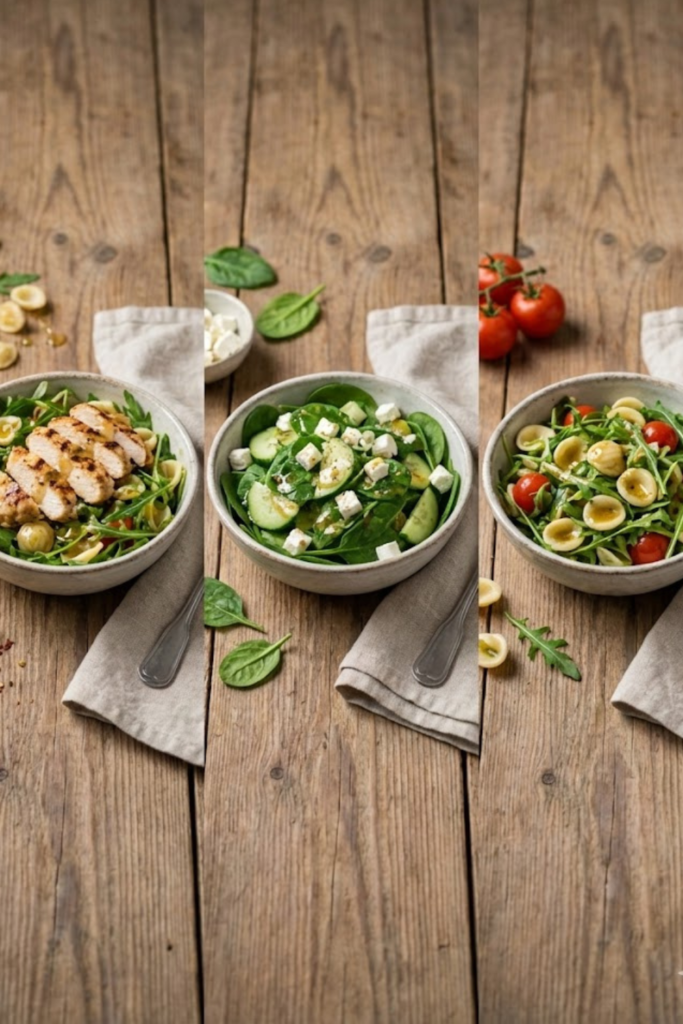
I am always trying to sneak more greens into my diet because, let’s be honest, I eat way too many carbs. This salad is the perfect vehicle for that. I love stirring in a few handfuls of baby spinach while the orzo is still slightly warm (but not hot!). The spinach wilts just enough to be tender but not slimy.
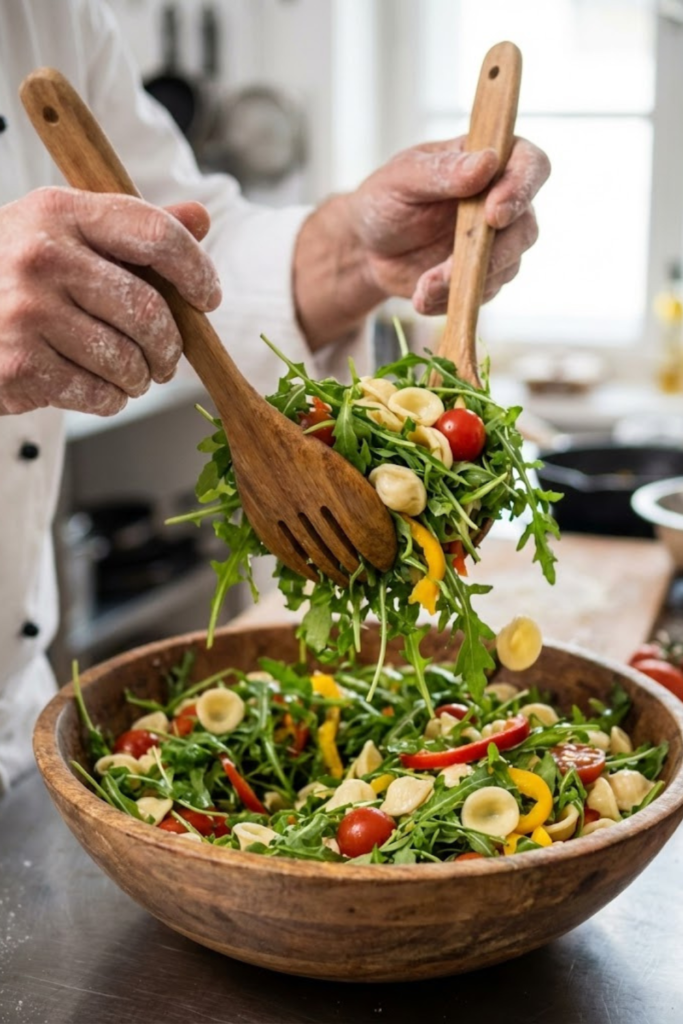
If you prefer something heartier, try massaging some kale with olive oil and tossing that in. A Kale harvest salad holds up incredibly well in the fridge for meal prep. The kale is tough enough that it won’t get soggy sitting in the dressing for three days. You can even use arugula if you want a peppery bite, though I’d add that right before eating so it stays fresh. A Spinach orzo salad is usually the crowd favorite with the kids, though, because spinach has such a mild flavor compared to kale.
I really hope you guys give this recipe a shot because it has honestly saved my sanity during many a hectic school week. This truly is the best fall harvest orzo salad because it brings together everything we love about the season—the warmth, the crunch, and those sweet roasted flavors. I’ve made plenty of mistakes, like burning those poor pecans or turning my pasta into mush, but those blunders helped me figure out exactly how to make this dish shine. It is such a relief to have a go-to meal that is healthy but actually fills you up.
If you are looking for more autumn salad recipes to add to your rotation, this one is a total winner for meal prep or a big family gathering. The way the maple vinaigrette dressing coats the roasted vegetable salad is just something you have to experience for yourself! Don’t be afraid to make it your own by swapping in kale or adding some grilled chicken if you’re feeling extra hungry. I’ve found that being flexible in the kitchen makes cooking way more fun and way less of a chore.
Did you love this cozy autumn bowl? Please take a second to pin it to your “Fall Recipes” or “Healthy Salads” board on Pinterest so you can find it whenever that craving hits!