They say the way to the heart is through the stomach, but I’m convinced the real shortcut is a steaming bowl of ginger lime pork with coconut rice!
Honestly, after a chaotic week where everything felt uphill, I desperately needed a meal that tasted like a tropical vacation without the hassle of a TSA line.
This recipe has become my absolute go-to for turning a drab Tuesday into a vibrant flavor explosion. We aren’t just talking about basic dinner here; imagine juicy, citrus-marinated pork tenderloin searing in the pan while the sweet aroma of creamy jasmine rice wafts through your kitchen.
It hits every single note you crave—salty, zesty, savory, and perfectly comforting. Plus, did you know fresh ginger is packed with digestion-aiding compounds? So really, this feast is practically self-care! Whether you are a kitchen novice or a seasoned pro, this dish is forgiving, fast, and totally unforgettable. Grab your apron, because we are about to whip up some serious magic in under 30 minutes!

Essential Ingredients for Your Tropical Bowl
Let’s be real for a second. I used to think that following a recipe meant I could swap things out willy-nilly and still get a Michelin-star result. Spoiler alert: I was wrong. I remember the first time I tried to make a tropical dish, I used cheap pork chops and bottled lemon juice because I didn’t feel like driving to the store. The result was tougher than my old leather boots and tasted like furniture polish. So, for this ginger lime pork with coconut rice, we are going to stick to the good stuff. It makes a world of difference.
The Right Cut of Pork
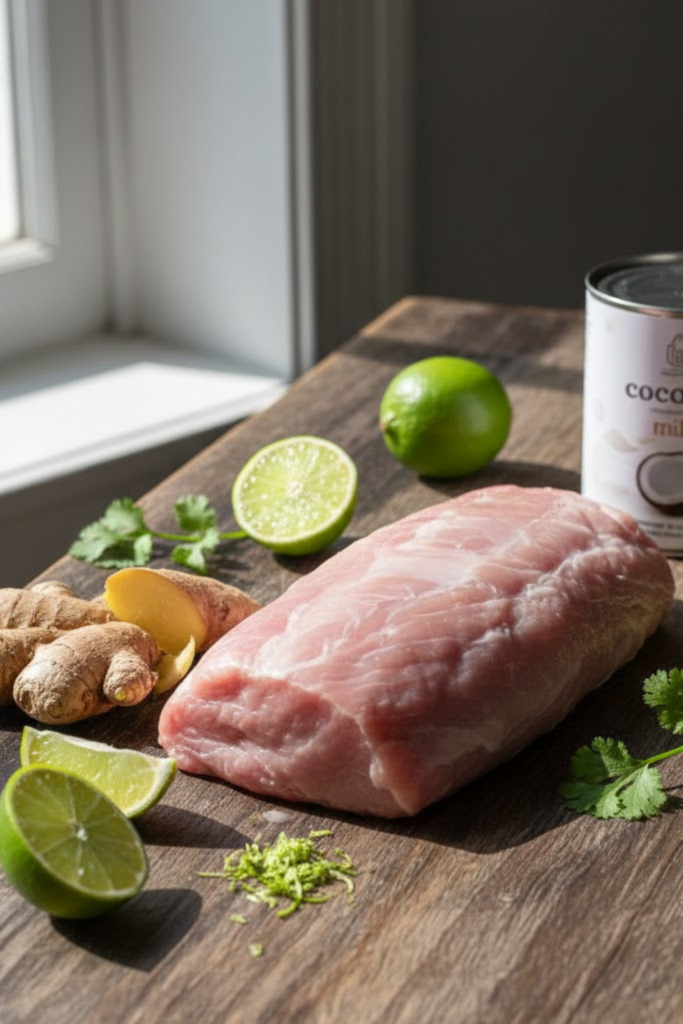
You might be standing in the meat aisle staring at twenty different cuts of pork. It’s confusing, right? Do yourself a huge favor and grab the pork tenderloin. Please do not confuse this with the pork loin. The loin is that massive roast that takes forever to cook and dries out if you look at it wrong.
The tenderloin is long, thin, and incredibly tender. It cooks fast, which is perfect for a quick weeknight dinner. When you slice it thin, it soaks up that marinade like a sponge. I’ve tried this with pork chops, but they just don’t have the same melt-in-your-mouth vibe. Trust me, spend the extra dollar for the tenderloin.
Fresh is Non-Negotiable
Okay, I am going to sound a bit bossy here. Put down the plastic lime. If you use that green squeeze bottle, your food is going to taste like a chemical experiment. You need fresh limes because we want the juice and the zest. The zest is where all those fragrant oils live.
The same goes for ginger. I once tried to substitute ground ginger powder because I didn’t want to peel the root. It was a disaster. It tasted like a sad gingerbread cookie instead of a savory meal. Go to the produce section and break off a knob of fresh ginger root. It smells spicy and clean, and it gives the dish that signature kick.
Coconut Milk: Can vs. Carton
This is the most common mistake I see people make. When I say coconut milk, I mean the stuff in the can, usually found in the Asian food aisle. Do not buy the coconut milk in the carton that sits next to the almond milk in the dairy section. That stuff is for cereal and smoothies; it is basically water.
For rich, fluffy rice, you need the fat content from the canned version. When you open the can, there should be a thick layer of white cream at the top. That creaminess is what makes the rice taste luxurious. If you use the carton stuff, you will end up with watery, sad rice. Nobody wants that.
The Flavor Boosters
Finally, don’t skimp on the aromatics. Fresh garlic and scallions (green onions) are essential base flavors here. And then there is cilantro. I know there is a genetic thing where cilantro tastes like soap to some people. If you are one of those unlucky souls, I am truly sorry! You can swap it for parsley or Thai basil.
But if you can handle it, pile that fresh cilantro on top. It cuts through the richness of the coconut milk and brightens everything up. These fresh ingredients turn a boring bowl of food into something that tastes like it came from a restaurant.
Mastering the Ginger Lime Marinade
Honesty time: I used to think marinating meat was just something fancy chefs did to show off. I’d throw some spices on a pork chop, cook it, and wonder why it tasted like… well, nothing. It wasn’t until I ruined a perfectly good dinner for my in-laws that I learned the hard way. The marinade isn’t just a bath for the meat; it’s the soul of the entire dish. Especially when we are talking about ginger lime pork, getting this liquid gold right is the difference between “meh” and “can I have seconds?”
Finding the Golden Ratio
Cooking is science, but it’s also a bit of an art. The first few times I made this, I went way too heavy on the lime juice. My face puckered so hard I thought it would stay that way! You have to balance that sharp citrus acid with sweetness and heat.
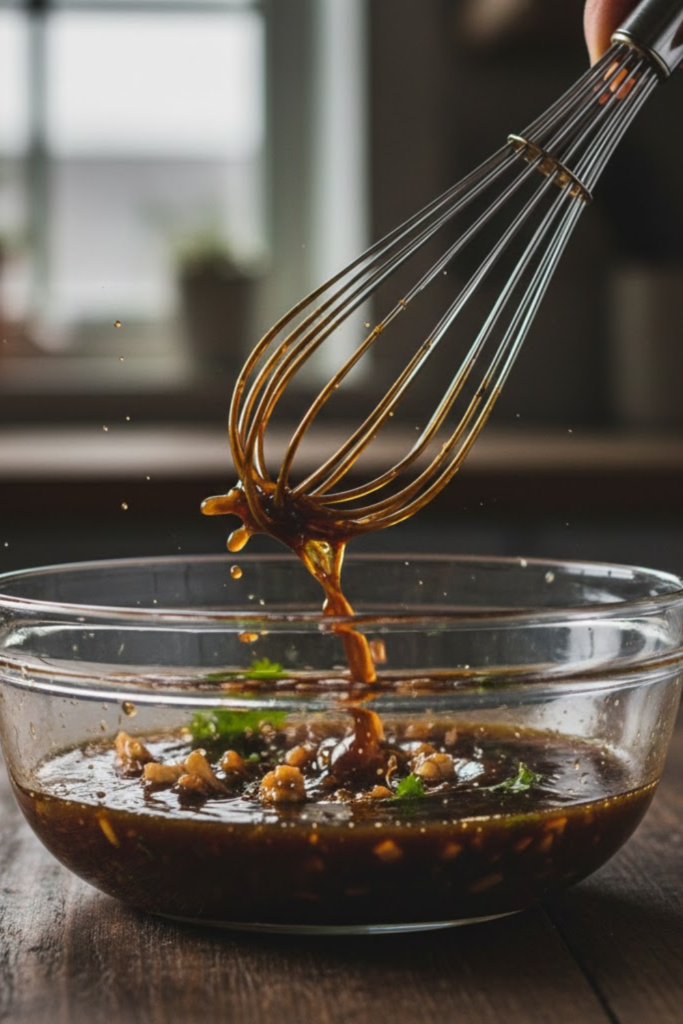
My rule of thumb is simple. For every part of lime juice, you need a counter-balance of brown sugar or honey. The sugar doesn’t make the dinner “sweet” like dessert; it just calms down the lime so it doesn’t punch you in the throat. Then comes the fresh ginger. I like to be aggressive here. If you think you have chopped enough, add a little bit more. The heat from the ginger cuts through the sugar, creating this perfect triangle of flavor.
The Stinky Secret Ingredient
Okay, we need to have a serious talk about fish sauce. If you smell it straight out of the bottle, it smells like old gym socks left in a locker for a year. It’s funky. I avoided it for years because the smell honestly scared me.
But here is the thing: you need it. A splash of fish sauce adds a depth of savory flavor—what the food nerds call “umami”—that soy sauce just can’t achieve on its own. Once it hits the pan and mixes with the lime and pork, the funkiness disappears completely. It just leaves behind a rich, salty taste that makes people ask, “What is in this?” Just trust me on this one. Hold your breath when you pour it if you have to!
Watch the Clock
Here is a mistake I made that I don’t want you to repeat. I once thought, “If 30 minutes of marinating is good, 24 hours must be amazing!” Wrong. So very wrong.
When you are using a marinade with a lot of acid like lime juice, it starts to “cook” the meat chemically. If you leave your ginger lime pork soaking overnight, the acid breaks down the fibers too much. You end up with meat that is mushy and mealy. It’s a texture nightmare.
For pork tenderloin, 30 minutes on the counter is plenty. If you are prepping ahead, maybe two hours in the fridge is the max. Do not set it and forget it, or you’ll be ordering pizza.
Save the Sauce for Later
One of the best tricks I learned is to separate your marinade before the raw meat touches it. Make a big batch in your bowl or measuring cup. Then, pour half of it into a small jar and put it in the fridge.
Pour the other half over your pork. The stuff you saved? That is your glaze for later. When the pork is done cooking, you drizzle that fresh, safe sauce over the top. It hits the hot meat and smells incredible. Plus, it adds a fresh pop of lime flavor that hasn’t been cooked out. It’s a pro move that takes zero extra effort.
How to Make Fluffy Coconut Rice
I have a confession to make: for years, I was terrified of cooking rice on the stove. It seemed like every time I tried, I ended up with a burnt layer stuck to the bottom of the pot or a gloopy, sticky mess that resembled school glue. I relied heavily on those microwave pouches. But once I figured out the secrets to this coconut rice recipe, I realized I had been overthinking it the whole time. Getting that restaurant-quality fluff isn’t magic; it just takes a little bit of patience and knowing what not to do.
Wash Your Rice, Please
If you take only one thing away from this rant, let it be this: you must rinse your rice! I used to skip this step because I was lazy. “It looks clean,” I’d tell myself. Big mistake.
Jasmine rice is covered in excess starch. If you don’t wash it off, that starch turns into a thick paste when it boils. The result is a gummy brick of rice that no amount of sauce can save. Dump your rice in a fine-mesh sieve and run cold water over it. Swish it around with your hand until the water runs mostly clear. It usually takes about three or four good rinses. It’s annoying, but it’s the only way to get those individual grains that don’t stick together.
The Liquid Balancing Act
Here is where I messed up a lot in the beginning. I thought, “I want super coconut-y rice, so I’ll just use only coconut milk!” Wrong again.
Full-fat coconut milk is thick and sugary. If you use straight coconut milk, it will scorch on the bottom of your pan before the rice is actually cooked inside. You end up with crunchy, raw rice and a burnt smell that lingers in your kitchen for days. The trick is a 50/50 split. Use half canned coconut milk and half water. This gives you enough liquid to steam the grains perfectly while still packing that rich, tropical flavor we are after.
The “No Peeking” Rule
Once you get that liquid boiling and turn the heat down to low, put the lid on and step away. I mean it. Do not lift the lid to check on it.
Every time you lift the lid, you let out the steam that is cooking your rice. It’s tempting to give it a stir, but stirring releases more starch and makes it mushy. Just let it simmer gently for about 15 to 18 minutes. Trust the process. I usually set a timer on my phone and go fold laundry or scroll on my phone so I’m not tempted to mess with it.
The Fork Fluff
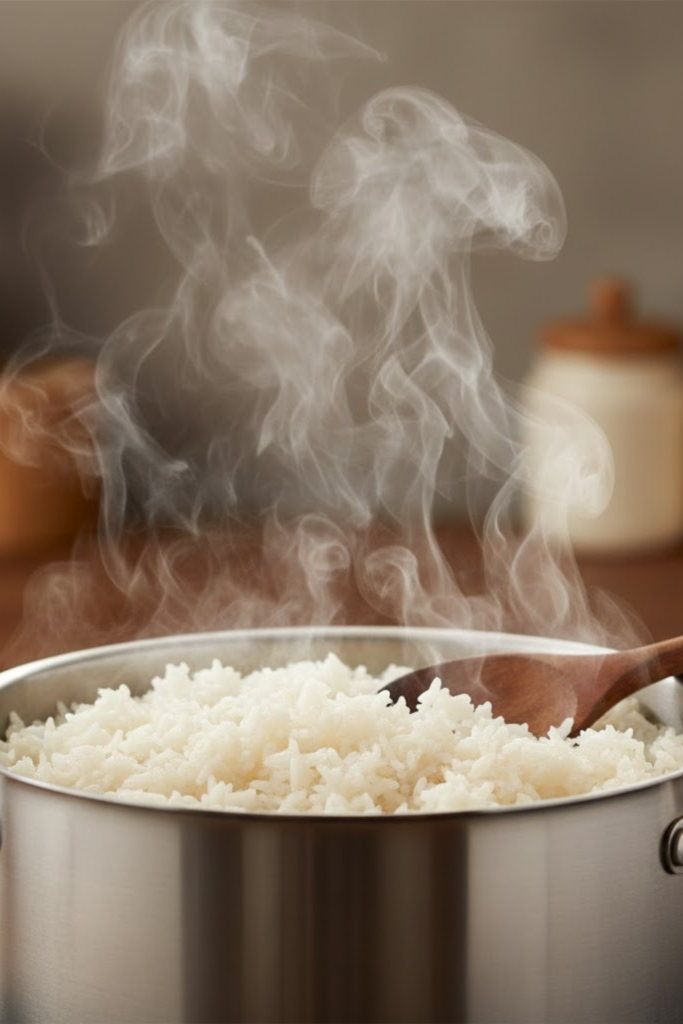
When the timer goes off, turn off the heat but leave the pot on the burner. Let it sit there with the lid still on for another 10 minutes. This resting period lets the remaining moisture redistribute so the rice isn’t wet.
Finally, take the lid off and grab a fork—not a spoon! A spoon mashes the grains. Use the fork to gently fluff the rice, lifting it from the bottom. You should see steam rising and smell that sweet coconut aroma. It’s a small victory, but getting that perfect texture feels pretty darn good.
Cooking Techniques: Searing for Maximum Flavor
I was raised in a house where pork was cooked until it looked—and tasted—like a hockey puck. My mom was absolutely terrified of undercooked meat, so we ate pork chops that basically required a chainsaw to cut through. For the longest time, I avoided cooking pork at home because I thought it was destined to be dry. But then I discovered the magic of a proper sear. When you get that golden-brown crust on your ginger lime pork, it locks in the juices and creates a texture that is totally addictive. It’s not hard, but you have to ignore your instinct to stir everything constantly.
The Pan Matters
If you are using a flimsy, thin non-stick pan that you bought for five bucks in college, we need to have an intervention. Those pans just can’t hold the heat required for a good sear. When the cold meat hits a thin pan, the temperature plummets, and you lose your sizzle.
I swear by my heavy cast-iron skillet for this. It holds heat like a champ. If you don’t have one, use a stainless steel wok or a heavy-bottomed dutch oven. You want something that gets hot and stays hot. When you drop that meat in, it should sound like a jet engine taking off. If it’s a quiet fizzle, your pan isn’t hot enough yet. Wait a minute longer.
Don’t Crowd the Party
This is the mistake I make when I am hungry and impatient (which is often). I used to dump all the pork strips into the skillet at once to “save time.” Big mistake.
When you crowd the pan, the meat releases moisture as it cooks. If there isn’t enough empty space for that steam to escape, the liquid pools in the bottom. Instead of frying, your meat ends up boiling in its own gray juices. It looks unappealing and tastes rubbery. You have to cook in batches. Put a single layer of meat down, leaving space between the pieces. Yes, it takes five extra minutes to cook it in two rounds, but the flavor difference is huge. Gray meat is sad meat. Don’t eat sad meat.
Scrape Up the Good Stuff
After you take the pork out, look at the bottom of the pan. See those brown, stuck-on bits? In the chef world, that is called “fond,” but I just call it flavor gold. Do not wash the pan!
When you pour your reserved marinade or sauce into the hot pan, it will hiss and bubble violently. Use a wooden spoon to scrape those brown bits off the bottom. They will dissolve into the sauce, making it rich and savory. This technique, called deglazing, is the secret to why restaurant sauces taste so complex. It makes you look like a genius, but really, you are just cleaning the pan with sauce.
The Temperature Sweet Spot
Finally, get yourself a digital meat thermometer. They are cheap, and they take the anxiety out of cooking. The old rule was to cook pork until it was white all the way through, but that is outdated advice.
According to the USDA, you can safely eat pork at 145°F (63°C). At this temperature, the meat might still be a little pink in the middle. That is okay! In fact, it’s perfect. If you wait until it hits 160°F or higher, you are back in hockey puck territory. Pull the ginger lime pork off the heat right when it hits 145°F and let it rest for a few minutes. The juices will redistribute, and every bite will be tender.

Serving Suggestions and Variations
Honestly, I’ve had those nights where I’m so hungry I just want to eat the pork straight out of the pan. But if you can hold off for two minutes to plate this ginger lime pork with coconut rice properly, it feels way more like a “real” meal and less like a kitchen raid. I remember one time I forgot to add anything green to the plate, and my husband asked if we were having an “all-beige dinner party”. Since then, I’ve learned that a little pop of color goes a long way for the vibe.
Add Some Crunch and Color
If you want to feel like a fancy food blogger, you gotta work on the toppings. I love throwing a handful of sugar snap peas or sliced red bell peppers into the pan right at the very end. They stay nice and crunchy but soak up all that extra ginger-lime sauce.
For the final garnish, don’t be shy with the fresh stuff. A massive sprinkle of cilantro, some sliced green onions, and a squeeze of fresh lime juice right before you eat makes everything taste ten times brighter. If you like a bit of heat, I usually drizzle some Sriracha or throw on a few red pepper flakes. It’s your bowl, so make it as spicy as you can handle!
Mix Up the Protein
Look, I know we’ve been talking about pork, but this marinade is a total overachiever. I’ve tried this exact same recipe with chicken thighs when the grocery store was out of tenderloin, and it was still incredible.
I even tried it with jumbo shrimp once when I wanted something even faster. Just keep an eye on the clock because shrimp cooks in about two seconds flat, and nobody likes eating rubbery seafood. If you’re trying to eat less meat, extra-firm tofu works great too, just make sure you press all the water out first so it can get crispy.
The Best Kind of Leftovers
One of the reasons I make a double batch of the coconut rice is for the leftovers. Cold coconut rice is basically a cheat code for the best fried rice you’ve ever had in your life.
I usually just throw the leftover pork and rice into a hot skillet the next day with an egg and maybe some frozen peas. It’s a totally different meal but just as good. Just make sure you store the pork and rice in an airtight container in the fridge so the rice doesn’t turn into little hard rocks. It stays good for about three days, though it rarely lasts that long in my house!
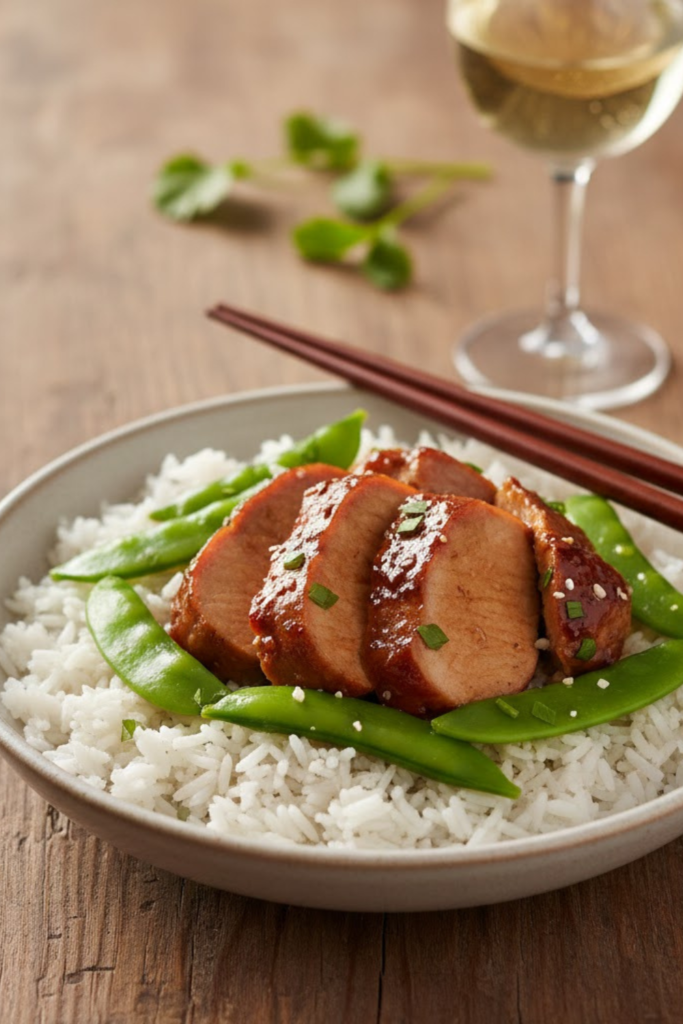
There you have it—a dinner that tastes like a beach vacation but cooks up faster than you can pack a suitcase! This ginger lime pork with coconut rice is officially my new obsession, and I think it will be yours too. It hits every note from the zesty citrus to that creamy, fragrant rice, making it a total winner for any weeknight in 2026. Honestly, I can’t wait for you to try this and see how simple it is to get such massive flavor at home!
Don’t forget to save this recipe for those nights when you need a little zest in your life! If you loved this tropical escape as much as I did, please pin this recipe on Pinterest to save it for later and share the deliciousness with your friends!