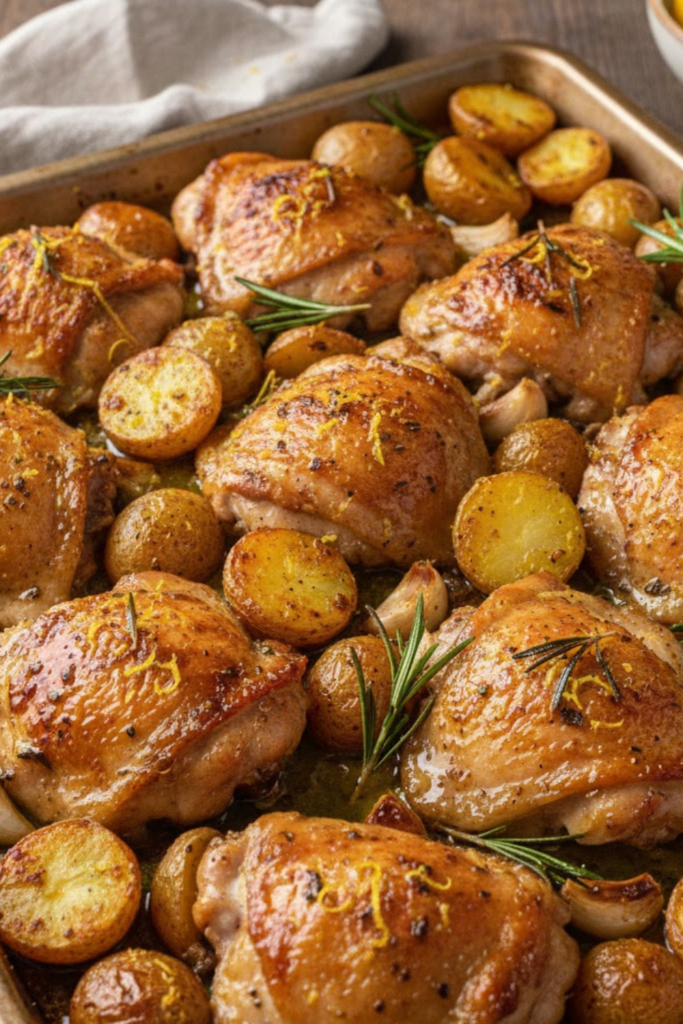
I used to think a truly great roast dinner required three different pots and a whole lot of stress, but boy, was I wrong! Did you know that over 60% of home cooks prefer “set it and forget it” meals for weeknights? Honestly, my first attempt at this was a total soggy disaster because I crowded the pan, but I’ve finally cracked the code! You are going to love how the chicken fat renders down to make the potatoes incredibly golden and flavorful. Let’s dive into this vibrant, life-saving recipe that will make your kitchen smell like a dream!
Choosing the Best Poultry and Spuds
I have to admit, I used to grab whatever chicken was on sale and hope for the best. I remember one Tuesday night, I bought these massive boneless skinless breasts because I thought I was being healthy. I threw them on a tray for my sheet pan chicken and potatoes dinner.
Well, let me tell you, it was a disaster. By the time the potatoes were cooked through, that chicken was tougher than an old boot. My kids were literally sawing at the meat with their knives, and I just wanted to hide under the table.
Why Thighs Save the Day
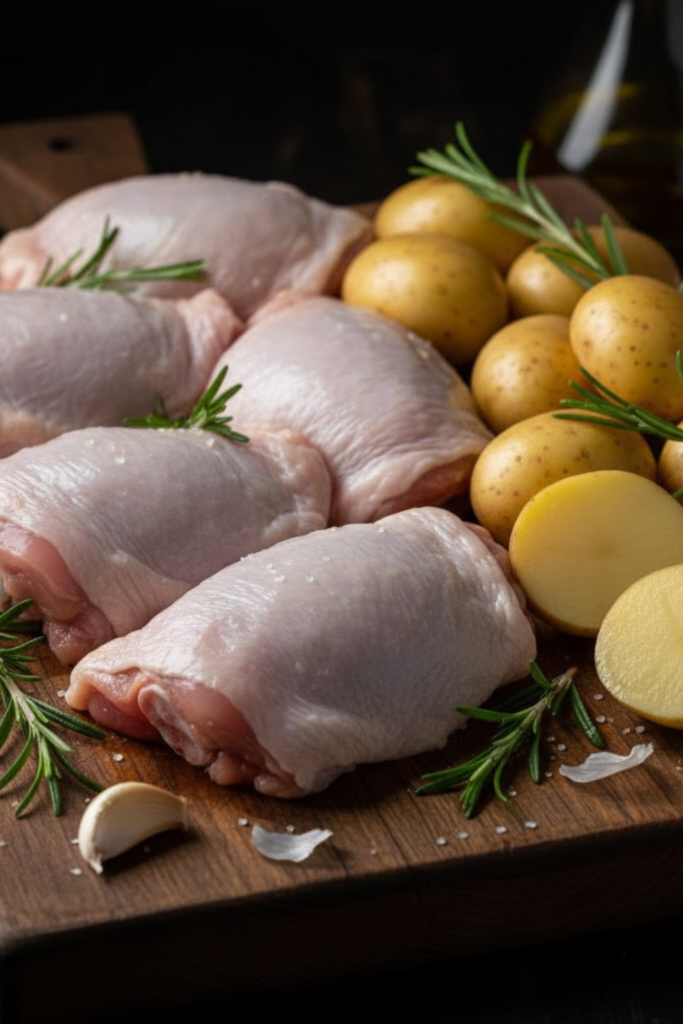
You really gotta listen to me on this one: stick to bone-in, skin-on chicken thighs. I learned that the dark meat is way more forgiving than the white meat. Because thighs have a bit more fat, they stay juicy even if you accidentally leave them in the oven a few minutes too long.
Plus, that skin is important. As the sheet pan chicken cooks, the fat from the skin renders out. That just means it melts down and coats everything on the pan. It flavors the veggies naturally, so you don’t have to use a ton of extra butter.
If you absolutely hate bones, you can use boneless thighs. But please, step away from the breasts for this recipe. They just dry out too fast at the high temperatures we need for roasting.
The Potato Dilemma
I used to think a potato was just a potato. I’d buy those big bags of Russets because they were cheap. But for a sheet pan dinner, Russets can be a little disappointing. They are super starchy, which is great for mashed potatoes, but on a baking sheet, they can get crumbly and dry.
My absolute favorite to use is Yukon Gold potatoes. They are waxy and hold their shape really well when roasted. When you bite into them, the inside is creamy like butter, but the outside gets nice and crisp. Red potatoes are a solid second choice if the store is out of Golds.
Cut Size Matters
This is the part where I always used to get lazy. I’d chop the potatoes into huge chunks because I wanted to get dinner in the oven fast. That was a big mistake.
If your potatoes are too big, the chicken will be burnt to a crisp before the spuds are even soft. You want to cut your potatoes into pieces that are about one inch big.
Think of them as bite-sized pieces. This helps the roasted vegetables cook at the same speed as the meat. It is super frustrating to have half a dinner raw and the other half burnt, so take the extra minute to chop them right.
Seasoning Secrets for Maximum Flavor
I still cringe when I think about the first time I made this dish for my in-laws. I was so afraid of making the food too salty that I barely used any seasoning at all. We sat there chewing in silence, and my father-in-law eventually asked for the ketchup.
It was mortifying! The chicken tasted like wet cardboard, and the potatoes were just sad, hot lumps. That day, I learned that when you roast meat and veggies together, you have to be bold with your flavors.
The Holy Trinity of Spices
You can’t just sprinkle a little pepper and call it a day. For the best sheet pan chicken, I swear by a specific combo that hits all the right notes. My go-to mix is smoked paprika, garlic powder, and dried oregano.
The smoked paprika gives it this subtle, BBQ-like vibe without needing a grill. I used to use regular paprika, but honestly, it doesn’t bring the same punch. When you mix these with the savory flavors of the chicken fat, it creates a crust that is to die for.
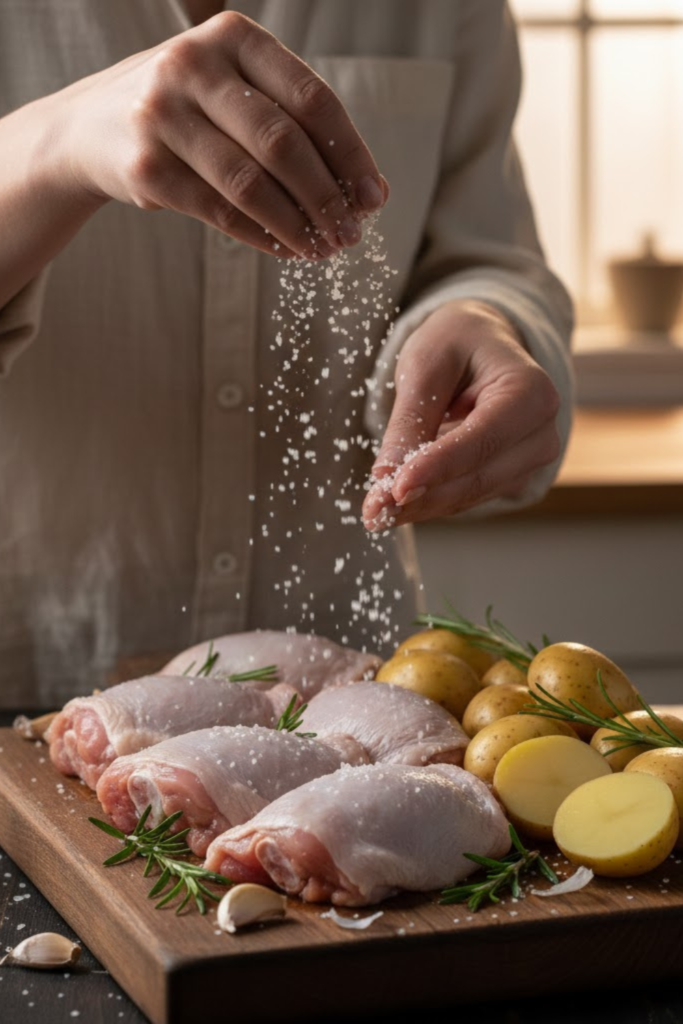
Don’t be shy with the salt, either. I use coarse sea salt because it doesn’t just disappear into the food. It sits on top and gives you that little crunch when you take a bite.
Don’t Fear the Grease
Here is where I see so many people mess up. They try to be “healthy” and use those non-stick cooking sprays instead of real oil. Please, for the love of food, put the spray can away!
You need a generous olive oil drizzle to coat every single nook and cranny of the chicken and potatoes. If the potatoes aren’t coated in oil, they won’t get crispy; they will just get dry and leathery. I usually pour the oil right onto the pan and use my hands to toss everything.
It gets messy, sure. But using your hands ensures that the spices and oil stick to everything evenly. Plus, washing your hands is easier than scrubbing a pan with burnt-on food later.
The Lemon Twist
This was a trick I learned by accident when I had a leftover lemon from tea time. I decided to throw a few wedges onto the pan before roasting. I didn’t think it would make a big difference, but wow.
The acid from the lemon cuts right through the heaviness of the oil and chicken fat. It brightens up the whole dish. You don’t have to eat the lemon wedges, but roasting them releases the juice into the pan sauce.
It makes the meal taste like something you’d get at a fancy bistro, not just a Tuesday night thrown-together dinner. Squeeze a little fresh juice over the top right before serving, and your family will think you’re a genius.
The Secret to Crispy Skin and Golden Potatoes
I have to be honest with you, my early attempts at sheet pan meals were pretty pathetic. I used to think the goal was just to get the food hot enough to eat without giving anyone food poisoning. I’d pull the tray out, and the chicken skin would be flabby and pale. It was gross.
I remember serving it to my sister once, and she just kind of peeled the skin off and pushed it to the side of her plate. That hurt my feelings a little bit, but she was right. Nobody wants to eat rubbery skin.
Give It Some Space
The biggest mistake I kept making was overcrowding the pan. I was trying to save time by jamming two pounds of chicken and three pounds of potatoes onto one standard baking sheet. It looked like a crowded subway car during rush hour.
When the food is touching like that, the moisture has nowhere to go. Instead of evaporating and letting the food roast, the water gets trapped. You end up steaming your dinner instead of roasting it.
The result is mushy potatoes and gray meat. Now, I follow a strict rule: if the pieces are touching, get a second pan. It’s a pain to wash an extra dish, but it is the only way to get that crispy chicken skin we all crave.
Crank Up the Heat
I used to be terrified of high heat. I thought if I turned the oven up past 350 degrees, I would burn the house down. So, I would roast my chicken low and slow.
That was a terrible idea for this kind of recipe. Low heat dries out the meat before the skin has a chance to crisp up. You end up with dry, stringy chicken.
Now, I don’t roast anything below 425° F (220°C). That blast of high heat is magic. It shocks the skin into getting golden brown and crunchy while keeping the inside juicy. It also caramelizes the sugars in the oven-roasted vegetables, making them taste sweet and nutty.
The Art of the Flip
For the longest time, I just shoved the pan in the oven and walked away for 45 minutes. I figured the oven would do the work for me. But when I took it out, the potatoes were burnt on the bottom and raw on top.
You really have to babysit it just a little bit. About halfway through the cooking time, I grab a metal spatula and flip the potatoes.
This helps them cook evenly. But be careful! I’ve definitely splashed hot chicken fat on my arm doing this too aggressively. Move the potatoes around so they get coated in those juices, then spread them back out.
If you want the skin to be extra shatter-proof, don’t flip the chicken. Just leave it skin-side up the whole time.
Watch the Rack Position
I learned this trick from a cooking show when I was up late one night. Most ovens are hotter at the top. If your potatoes are soft but looking a little pale, move the rack to the top position for the last 5 minutes.
But set a timer! I walked away to fold laundry once and forgot about the broiler. I came back to charcoal.
If you keep an eye on it, that direct heat will give you the most beautiful sheet pan chicken and potatoes you’ve ever seen. It’s all about managing that heat and not being afraid of it.
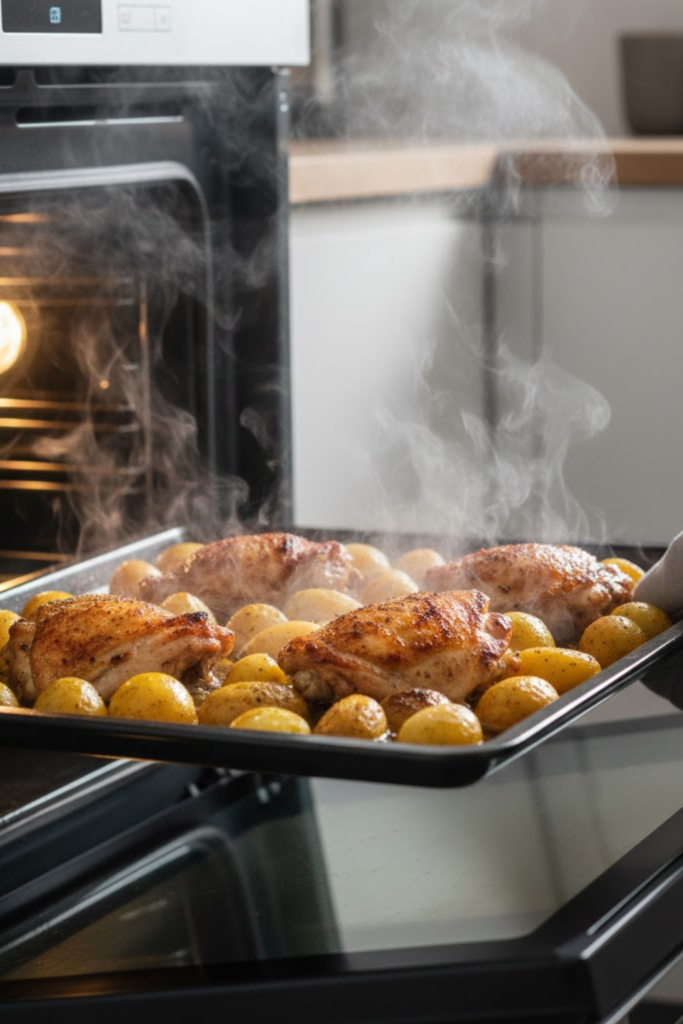
Honestly, finding a meal that my whole family will actually eat without complaining feels like winning the lottery, which is why this sheet pan chicken and potatoes recipe has become my absolute lifeline for those manic Tuesday nights. The best part isn’t even the incredible taste or how the chicken thighs stay juicy for high-protein lunch leftovers the next day; it’s the fact that I’m not stuck scrubbing a mountain of dishes since everything roasts on one baking sheet. It saves me so much time and stress, making it the perfect solution for anyone craving a healthy dinner recipe without the hassle. If this easy meal saves your evening like it saved mine, please share this post on Pinterest to help other tired home cooks find their new favorite weeknight staple!