“This isn’t just dinner; it’s an experience!” I still remember the first time I tried to replicate a Ramsay curry. I burnt the garlic, and the sauce was too runny—a total nightmare! But after watching hours of his tutorials and tweaking the ratios, I finally cracked the code. Did you know that Chicken Tikka Masala is often cited as the UK’s true national dish? It’s a bold claim, but one bite of this creamy, spiced perfection makes it hard to argue.
In this guide, we aren’t just making curry; we are embracing the bold flavors and “no-nonsense” attitude of Chef Ramsay himself. Whether you’re a novice or a seasoned home cook, this breakdown of the Gordon Ramsay Chicken Tikka Masala will have you plating up a masterpiece that even Gordon wouldn’t yell at. Let’s get cooking!
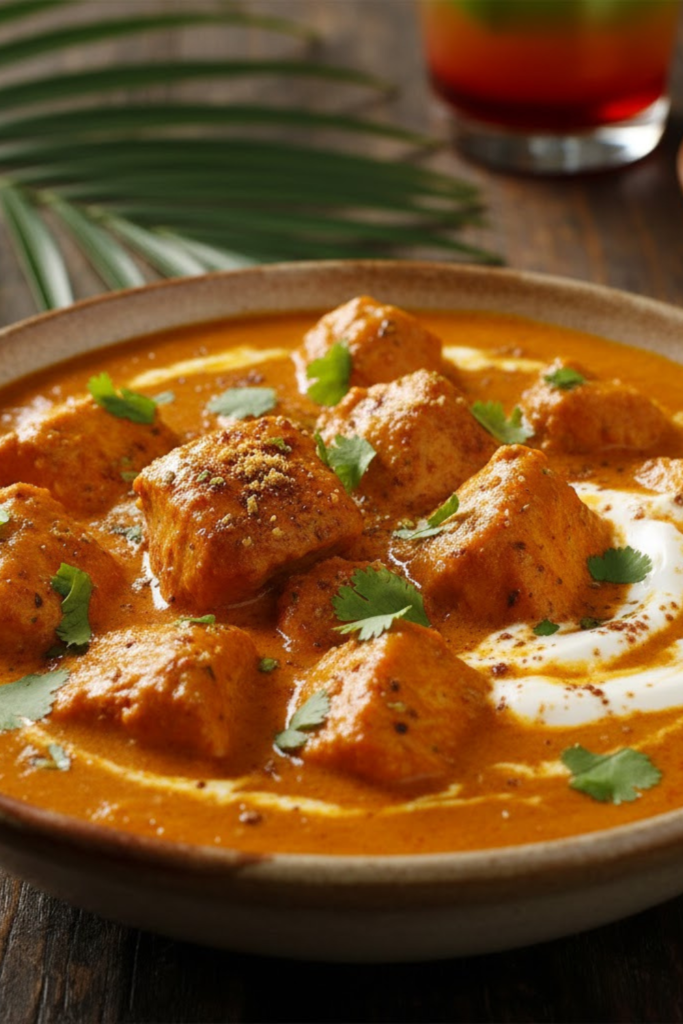
The Essential Marinade: Flavor Deep Dive
You know, I used to think marinating was just a fancy step you could skip if you were in a rush. I’d toss some chicken in a bowl with spices for five minutes and wonder why it tasted like… well, chicken with dust on it. It was bland, dry, and honestly a bit sad.
The first time I tried following a proper Gordon Ramsay Chicken Tikka Masala recipe, I realized I’d been doing it wrong for years. The marinade isn’t just a coating; it’s the heart and soul of the dish. It’s where the magic happens. If you mess this up, no amount of sauce will save you.
It All Starts With the Yogurt
Here is a mistake I made way too many times: using runny, low-fat yogurt. Don’t do it! I learned the hard way that you need full-fat Greek yogurt.
The fat content is crucial because it protects the meat during the high-heat cooking later on. Plus, the thick texture clings to the chicken chunks better. I once used a watery yogurt, and it just slid right off the meat in the pan.
It resulted in boiled chicken rather than that lovely charred tikka we are aiming for. The lactic acid in the yogurt also breaks down the fibers, making the chicken incredibly tender. So, grab the thickest, plainest yogurt you can find.
The Spice Symphony
Now, let’s talk about the spices. When I first started, I was terrified of the long list of ingredients. Cumin, coriander, turmeric… it felt like a chemistry experiment.
But here is the thing: you can’t just dump them in raw. I like to toast my cumin and coriander seeds in a dry pan for a minute before grinding them. The smell that fills the kitchen is intoxicating!
For that iconic red color, Gordon often points to Kashmiri chili powder. It gives you that vibrant glow without needing artificial red food dye, which creates a fake look. It’s spicy, but it doesn’t blow your head off.
If you can’t find it, a mix of paprika and cayenne pepper works in a pinch. But honestly, hunting down the Kashmiri chili is worth the effort for that authentic look.
Patience is the Hardest Ingredient
I am impatient. I’ll admit it. When I smell those spices, I want to cook immediately. But the biggest lesson I’ve learned with this Gordon Ramsay Chicken Tikka Masala is that time equals flavor.
Ramsay suggests leaving it overnight, and he is right. I did a test once: one batch marinated for 20 minutes, another for 24 hours. The difference was night and day.
The overnight chicken was deeply seasoned all the way through, not just on the surface. The acid from the lemon juice and yogurt had time to work its magic. If you are absolutely pressed for time, give it at least an hour. Anything less, and you are just coating the outside.
The Aromatic Kick
Finally, don’t skimp on the ginger and garlic. I used to use the jarred stuff to save time. Big mistake. It has a weird, metallic vinegar taste that ruins the vibe.
Grate fresh garlic and ginger right into the bowl. It adds a punchy, fresh heat that cuts through the rich dairy.
Mixing this marinade should be a sensory experience. Get your hands in there (wash them first, obviously) and massage it into the meat. It’s messy, but it makes sure every nook and cranny is covered.
Trust me, when you pull that chicken out of the fridge the next day, and it smells spicy and tangy, you’ll know you’re on the right track.
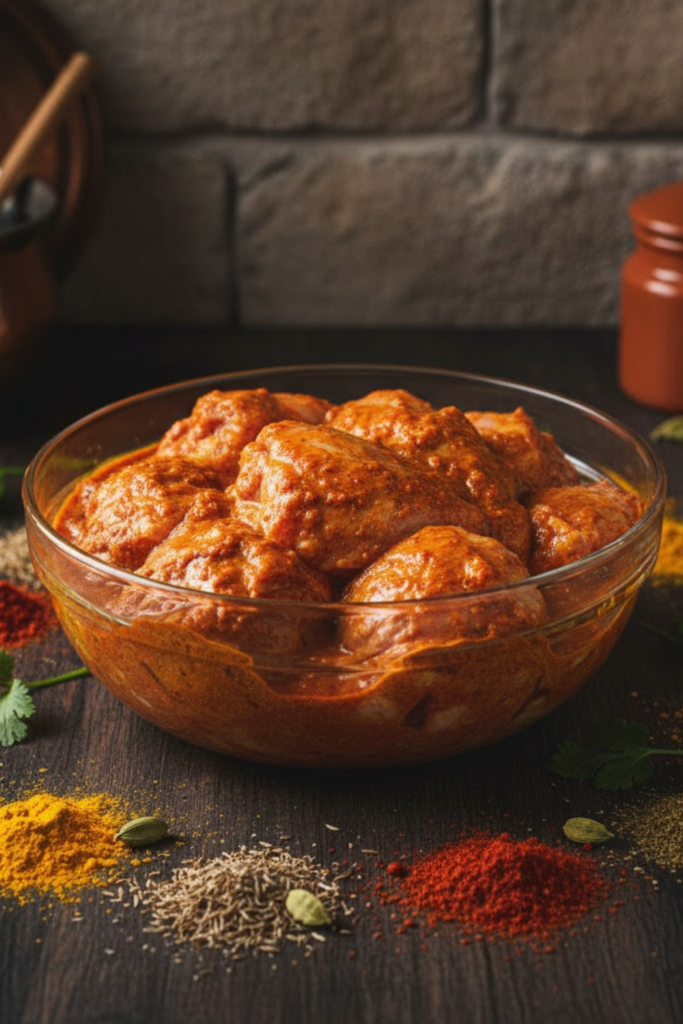
Preparing the Chicken: Grill vs. Pan Sear
Okay, let’s be real for a second. Unless you have a traditional clay tandoor oven sitting in your backyard (and if you do, I’m coming over), recreating that authentic char at home is tricky. I used to think I could just toss the chicken in a non-stick pan and call it a day.
Spoiler alert: I was wrong. The first time I tried cooking the chicken for my Gordon Ramsay Chicken Tikka Masala, it looked pale and sad. It tasted fine, but it lacked that smoky punch you get at a restaurant. I was so frustrated I almost ordered takeout right then and there.
But after setting off my smoke alarm a few times—sorry neighbors!—I figured out how to fake it.
The Heat is Your Friend
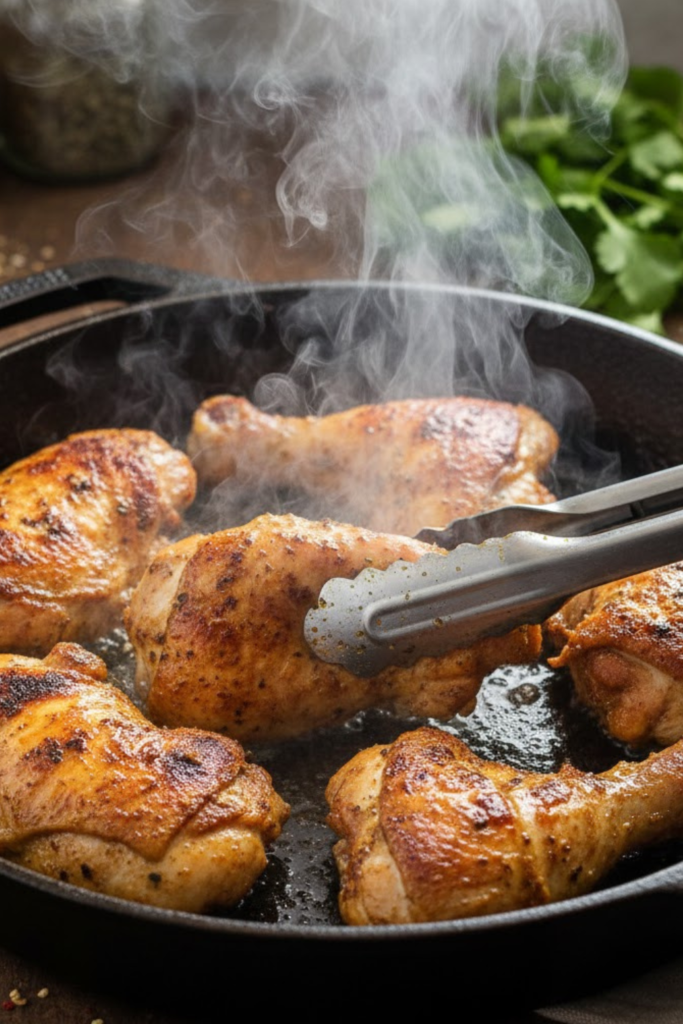
You need screaming high heat. I mean, get that pan hot enough to scare you a little bit. If you are using a skillet, a heavy cast iron skillet is your best friend here. It holds heat like a champ and gives you that blackened crust we are chasing.
I remember reading that Ramsay uses high heat to mimic the tandoor’s intensity. So, I cranked my burner up. The goal isn’t to cook the chicken all the way through right now; we just want color.
If you cook it slowly, the yogurt marinade splits, and it turns into a watery mess. You want that satisfying sizzle the second the meat hits the metal.
Don’t Crowd the Pan!
Here is the mistake that ruined my dinner more times than I care to admit. I used to dump all the chicken pieces in at once because I was hungry and impatient.
Do not do this.
When you crowd the pan, the temperature drops instantly. Instead of searing, the chicken starts releasing water and steaming in its own juices. You end up with rubbery, grey lumps instead of charred, golden bites.
I learned to cook in batches. It takes longer, yeah, but the result is worth it. Give the pieces some personal space. You want those edges to get dark brown, almost black. That “burnt” flavor is actually essential for the sauce later.
The Broiler Method
If the stovetop scares you (or you hate cleaning grease splatters), try the broiler.
I sometimes line a baking sheet with foil and rack the chicken up right under the broiler element. It’s a solid way to get that char without smoking out your kitchen. Keep an eye on it, though. I once walked away to check my phone and came back to actual charcoal.
Let It Rest
Once you’ve got that beautiful color, pull the chicken off. It will still be raw in the middle, but that’s fine. It finishes cooking in the sauce.
Let it rest on a plate for a few minutes. I used to throw it straight into the gravy, but I found that resting lets the juices settle a bit. Plus, any juices that pool on the plate? Pour those right into your masala sauce. That is liquid gold, my friend.
Getting the chicken right is half the battle. Once you see those charred edges, you know you’re about to eat something good.
Crafting the Velvety Masala Sauce
Now that the chicken is resting and teasing you with its smell, it is time to tackle the gravy. This sauce is the blanket that wraps everything together. Honestly, the first time I made this sauce, I rushed it. I was so hungry I just dumped everything in the pot and boiled it.
The result? A gritty, sour soup that looked nothing like the glossy orange masterpiece I saw on TV. It was a disaster. I learned that building a Gordon Ramsay Chicken Tikka Masala sauce is about layering flavors, not just mixing ingredients.
Building the Foundation
Start with the same pan you cooked the chicken in. Don’t wash it! That dark stuff stuck to the bottom? That is flavor.
Add a little oil or butter and toss in your finely diced onions. I used to chop them into big chunks because I’m lazy with knife work, but for a smooth sauce, you need a fine dice.
Cook them until they are soft and golden. I’m talking about ten minutes, not two. If you rush the onions, your sauce will have a raw, crunchy texture that just feels wrong.
Once they are golden, hit it with the aromatics. Fresh ginger and garlic go in again. I used to think, “I already put garlic in the marinade, do I really need more?” Yes, you do. It adds a different layer of savory depth to the creamy tomato gravy.
The Tomato Trouble
Here is where I messed up big time in the past. I used cheap, watery chopped tomatoes. The sauce ended up thin and separated on the plate.
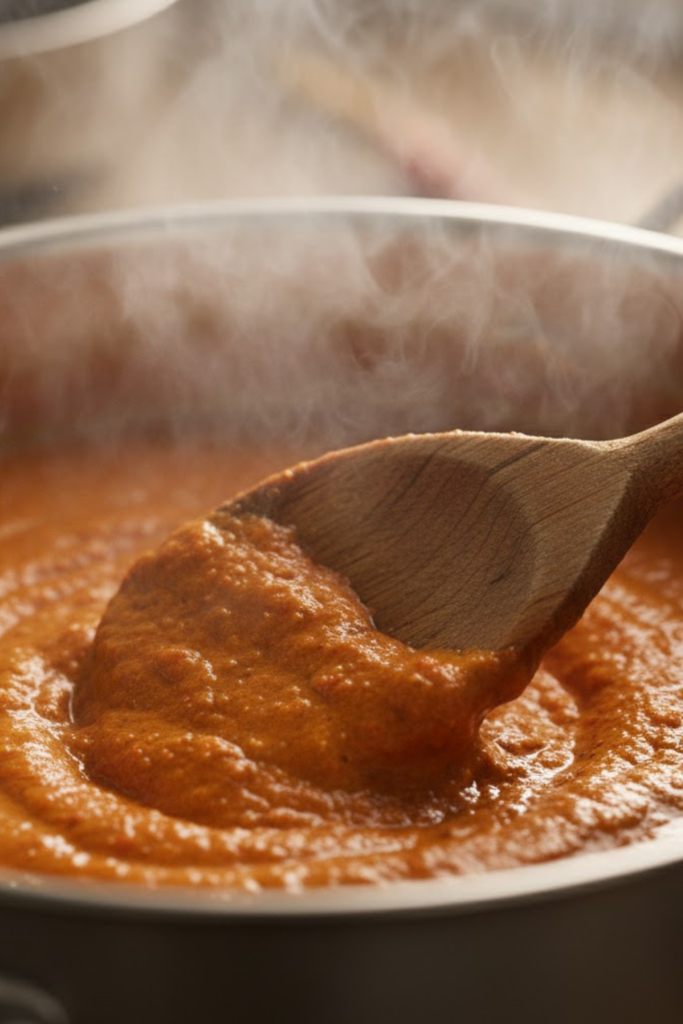
For that velvety restaurant texture, use tomato puree or passata. It gives you that rich, consistent body without the chunks. When you add the tomatoes, let them cook down. You want the oil to start separating from the tomato paste. That is the visual cue that the raw tomato flavor is cooked out.
I usually add a pinch of sugar or honey here too. It sounds weird, but tomatoes can be acidic. A little sweetness balances the heat and makes the sauce pop.
Spicing It Right (Again)
You might think we are done with spices, but not yet. Add your turmeric and chili powder to the sauce base.
But here is a pro tip I picked up: hold the garam masala until the end. I used to put it in at the start, and the flavor just cooked away. Adding it near the finish preserves those delicate floral notes of cinnamon and cardamom.
Also, if you can find dried fenugreek leaves (kasuri methi), rub them between your palms and sprinkle them in. It gives that distinct “takeout” smell that is hard to identify but impossible to replace.
Creamy Dreams
Finally, the cream. This is the victory lap. Lower the heat before you pour in the heavy cream. If the sauce is boiling like magma, the dairy can curdle, and nobody wants a grainy curry.
Stir it in gently. Watch the color transform from deep red to that iconic bright orange. It is the most satisfying part of the process.
If you are trying to be healthier, you can use coconut milk, but honestly? For a true Gordon Ramsay Chicken Tikka Masala, heavy cream is the way to go. It’s rich, indulgent, and exactly what you want on a Friday night.
Taste your sauce. Does it need salt? More heat? Adjust it now. Once you are happy, slide that charred chicken back into the bath and let them get to know each other. You are almost there.
Ramsay’s Secret Tips for Perfection
You’ve marinated, seared, and simmered. You’re staring at the pot, and it looks good. But does it taste like the real deal?
I remember the first time I served my “masterpiece” to friends. I was beaming with pride until I took a bite. It was… okay. It wasn’t bad, but it lacked that punchy, “wow” factor I expected from a Gordon Ramsay Chicken Tikka Masala. It felt flat.
That’s when I realized that the difference between “home cook good” and “chef good” is usually in the final five minutes. Gordon is famous for his attention to detail, and frankly, ignoring the small stuff was my downfall. Here is how I fixed it.
Taste, Taste, and Taste Again
I used to be scared to taste my food while cooking. I don’t know why—maybe I was afraid of burning my tongue? But Gordon is always yelling (literally) about tasting.
I learned that you have to season in stages. When I finally tasted my sauce right at the end, I realized it was missing salt. It’s crazy how a pinch of salt can suddenly wake up all the spices.
Don’t just look for saltiness, though. Look for balance. If it feels too heavy, a squeeze of lemon juice can cut through the fat. If it’s too tart, a tiny bit more sugar helps. You are the chef; trust your tongue.
Don’t Trash the Stalks!
This was a total game-changer for me. For years, I picked the leaves off the fresh cilantro garnish and threw the stalks in the trash. I thought they were garbage.
Big mistake.
Ramsay teaches that the stalks actually hold more flavor than the leaves. Now, I chop the stalks finely and throw them into the pan with the onions and garlic at the start. It adds a fresh, zesty layer to the curry base that you can’t get from the dried stuff.
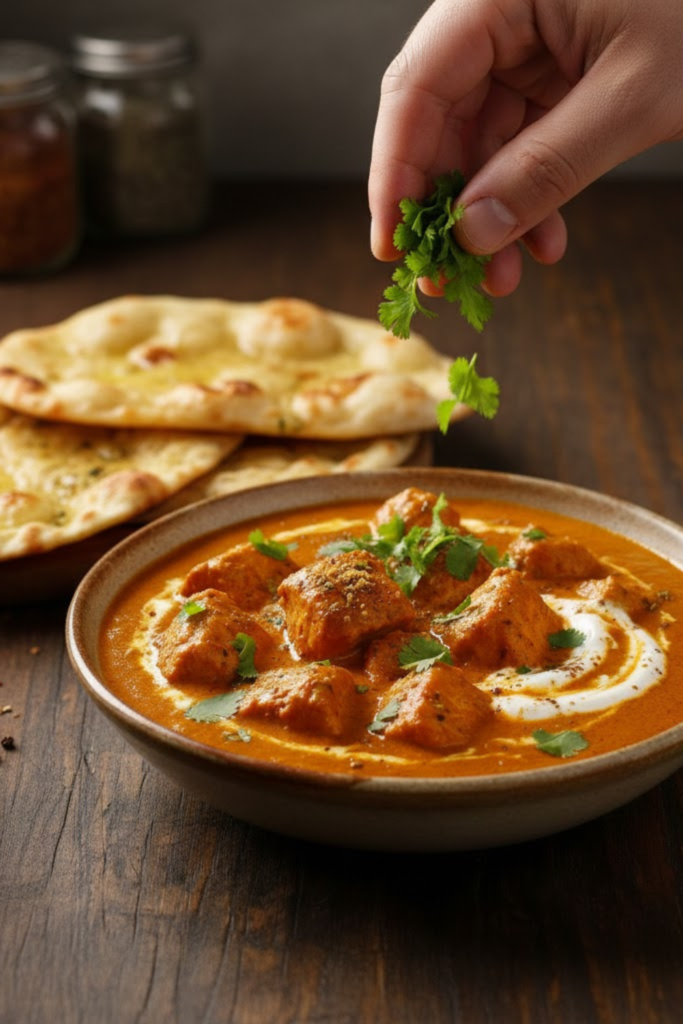
Save the pretty leaves for the end. Sprinkling them on top not only looks pro but gives you that burst of freshness in every bite.
The Butter Finish
Okay, this one feels a bit like cheating, but it works. Have you ever wondered why restaurant style curry always has that incredible glossy shine?
It’s butter.
Right before I take the pot off the heat, I stir in a cold knob of butter. In fancy French cooking, they call it “mounting” the sauce. It thickens the gravy slightly and gives it a beautiful sheen.
I used to skip this to save calories, but honestly? It’s worth it. It rounds off the sharp edges of the spices and makes the sauce feel incredibly luxurious.
Watch the Texture
Sometimes, my sauce gets too thick. Maybe I let it simmer too long while I was distracted making rice. It turns into a gloopy paste rather than a sauce.
If this happens, don’t panic. But whatever you do, don’t add cold water!
I made that error once, and it cooled the sauce down too fast, messing up the consistency. Instead, add a splash of boiling water. It thins the sauce out without shocking the ingredients. You want a consistency that coats the back of a spoon perfectly—not too runny, not too stiff.
These little tweaks might seem small, but they are the secrets to making a Gordon Ramsay Chicken Tikka Masala that actually lives up to the name.
Looking back at my first attempt, it’s funny how intimidated I was. I thought making restaurant style curry was some dark art reserved for professional chefs with years of training. I was wrong.
Sure, my kitchen looked like a bomb went off—turmeric stains are no joke, by the way—but sitting down to eat was worth every scrub of the counter. Making the Gordon Ramsay Chicken Tikka Masala at home is one of those cooking milestones that just makes you feel good. It’s messy, it’s loud, and it smells incredible.
The Taste of Triumph
I remember sitting there, tearing off a piece of garlic naan bread, and scooping up that first bite of chicken. It wasn’t just food; it was a victory.
If you’ve stuck with me through the marinating, the searing, and the simmering, you are ready. You don’t need a fancy tandoor oven in your backyard. You don’t need to be a Michelin-star chef. You just need a bit of patience and a love for bold flavors.
Don’t stress if it’s not perfect the first time. My first batch was a little too spicy (okay, way too spicy), but my family still devoured it. That’s the beauty of homemade Indian food; it’s made with love, and usually a generous amount of butter.
Serving It Up
Now, how you serve this matters. I used to just slap it on a plate, but presentation adds to the vibe. I always serve this with fluffy basmati rice to soak up that extra spicy tomato cream sauce.
And leftovers? Let me tell you, this curry is even better the next day. The flavors hang out in the fridge overnight and get even deeper. It’s the best lunch you can bring to work, guaranteed to make your coworkers jealous when they smell it heating up.
This dish has become a staple in my rotation of weeknight dinner ideas when I want to impress someone. It looks complicated, but once you get the rhythm down, it flows.
So, go grab that naan, ladle out a generous portion, and dig in. You earned it. And hey, if you burnt the onions a little? Just call it “rustic.” Gordon might yell, but I won’t tell anyone.
Don’t forget to pin this recipe to your “Dinner Ideas” board on Pinterest to save it for your next curry night!