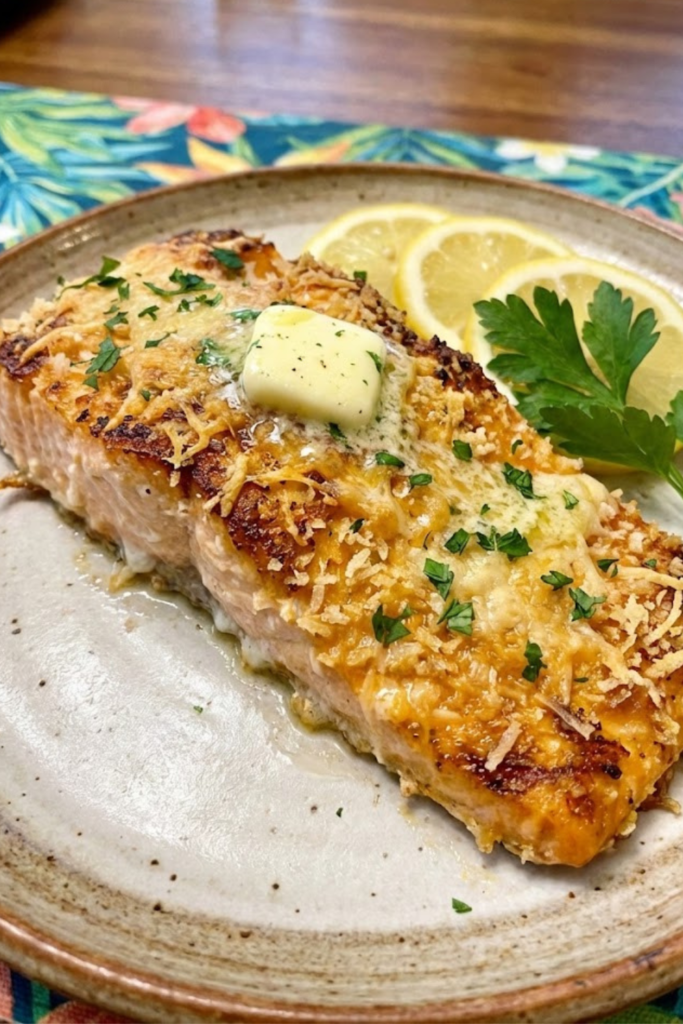
I have a confession: for years, I completely avoided cooking fish at home because I’d always turn expensive fillets into dry, sad cardboard that my kids refused to eat. That frustration finally ended when I mastered this crispy parmesan crusted baked salmon, which is actually way more forgiving than pan-searing if you know the secret. I learned the hard way that using melted butter as a binder is a huge mistake because it slips right off; the real game-changer is brushing on a thin layer of mayonnaise—yes, mayo!—which keeps the fish incredibly moist and acts as the perfect glue for that golden panko crust. Forget baking at “safe” lower temperatures; you need to hit it with 400°F to get that satisfying crunch before the inside dries out, turning a scary weeknight dinner into a foolproof, restaurant-quality win.
Choosing the Best Salmon for Baking
Honest moment: I used to think all salmon was created equal. I’d walk up to the seafood counter, point at the piece that looked the most “salmon-y,” and call it a day. That was a huge mistake. I remember spending a small fortune on beautiful, dark red Sockeye salmon for a dinner party once. I baked it exactly like the recipe said, but it came out tough and dry. I was so mad I could’ve cried.
It wasn’t the recipe’s fault; it was the fish.
The Fat Factor: Wild vs. Farmed
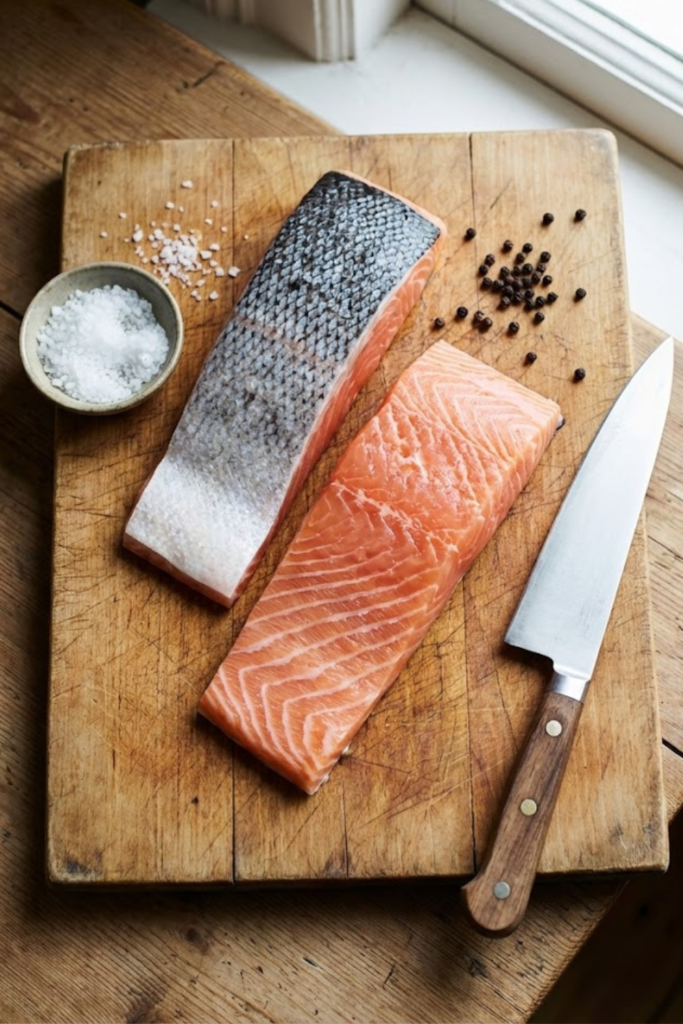
Here is what I learned the hard way. Wild caught salmon, like Sockeye or Coho, is amazing, but it is super lean. Because it doesn’t have much fat, it dries out faster than you can blink in a hot oven. If you are making crispy parmesan crusted baked salmon, you actually want a fish with higher fat content.
That is why I usually reach for fresh Atlantic salmon (which is farmed).
It has that beautiful white marbling running through the meat. That fat renders down while it bakes, keeping the fillet juicy even if you accidentally leave it in the oven a minute too long. It’s way more forgiving for home cooks like us. If you do use wild salmon, you gotta pull it out of the oven earlier, or it’ll taste like shoe leather.
The “Fresh” Fish Myth
Let’s talk about the “fresh” fish counter. Most of the fish sitting on that ice was frozen on the boat, shipped, thawed out, and then put on display. It’s been sitting there degrading.
Unless you live right next to the ocean, high-quality frozen fillets are often fresher.
They are flash-frozen right after being caught, locking in the flavor and texture. I’ve started buying bags of individually vacuum-sealed fillets. I just toss them in a bowl of cold water for 20 minutes to thaw, and they are perfect. Plus, it’s usually cheaper, which helps the grocery budget.
Skin On or Off?
I used to hate the skin. It creeped me out. But when you are baking, keeping the skin on is a secret weapon. It acts as a barrier between the hot metal pan and the delicate meat.
The skin protects the bottom of the fish from getting tough while the top gets that nice crust. You don’t have to eat it! Once the salmon is cooked, the meat slides right off the skin with a fork. It’s super easy. If you buy skinless fillets, just be careful not to overcook them, as they don’t have that little safety net.
Essential Ingredients for the Perfect Parmesan Crust
You cannot build a house without good bricks, and you can’t make a killer crispy parmesan crusted baked salmon with subpar ingredients. I learned this lesson during what I call the “Soggy Fish Incident of 2018.” I tried to cut corners using whatever was hiding in the back of my pantry, and let’s just say we ordered pizza that night.
It’s not just about having the ingredients; it’s about having the right ones.
The Cheese Matters
Okay, put down the green shaker can. You know the one I’m talking about. I used to use that powdery shelf-stable parmesan for everything because it was cheap and easy. But when I used it for this recipe, it didn’t melt. It just kind of sat there like salty sand.
For a true parmesan cheese crust, you need the real deal.
I highly recommend buying a wedge of parmesan and grating it yourself. It melts so much better because it doesn’t have those anti-caking agents they put in the pre-shredded bags. If you are in a rush (and aren’t we all?), look for the high-quality shredded stuff in the refrigerated deli section, not the pasta aisle.
The Crunch Factor: Panko vs. Regular
Here is where I messed up big time. I used standard, fine breadcrumbs—the kind you use for meatballs. The result was a dense, pasty topping that was heavy and unappealing.
You have to use Panko breadcrumbs.
Panko flakes are larger and airier. They don’t absorb as much oil, which means they stay crunchy while the fish cooks. This is the absolute key to that restaurant-style texture. If you are gluten-free, there are some decent GF panko options now that actually crisp up!
The Flavor Boosters
I used to just mix cheese and crumbs and wonder why it tasted bland. The secret is in the aromatics.
- Garlic: I prefer garlic powder over fresh minced garlic in the crust mixture. Fresh garlic can burn quickly at 400°F and turn bitter, while powder distributes evenly.
- Fresh Parsley: Dried herbs are okay in a pinch, but fresh parsley adds a brightness that cuts through the rich cheese. It just looks prettier, too.
- Lemon Zest: This is the game-changer. I used to just squeeze lemon juice on top after cooking, but it made the crust soggy. Now, I mix lemon zest directly into the crumbs. It gives you that citrus punch without the moisture.
The “Glue”
Finally, we need to talk about how to stick all this goodness to the fish. I’ve tried just olive oil, but it runs off. The best binder is a mix of melted butter and a little olive oil, or a thin layer of mayonnaise (trust me on the mayo!). This creates a garlic butter sauce effect as it melts down into the fish.
Don’t skip the salt, but go easy on it. Parmesan is naturally salty, so you don’t need to go crazy with the shaker. Taste your crumb mixture before you put it on the raw fish. If it tastes good on a spoon, it’ll taste good on the salmon.
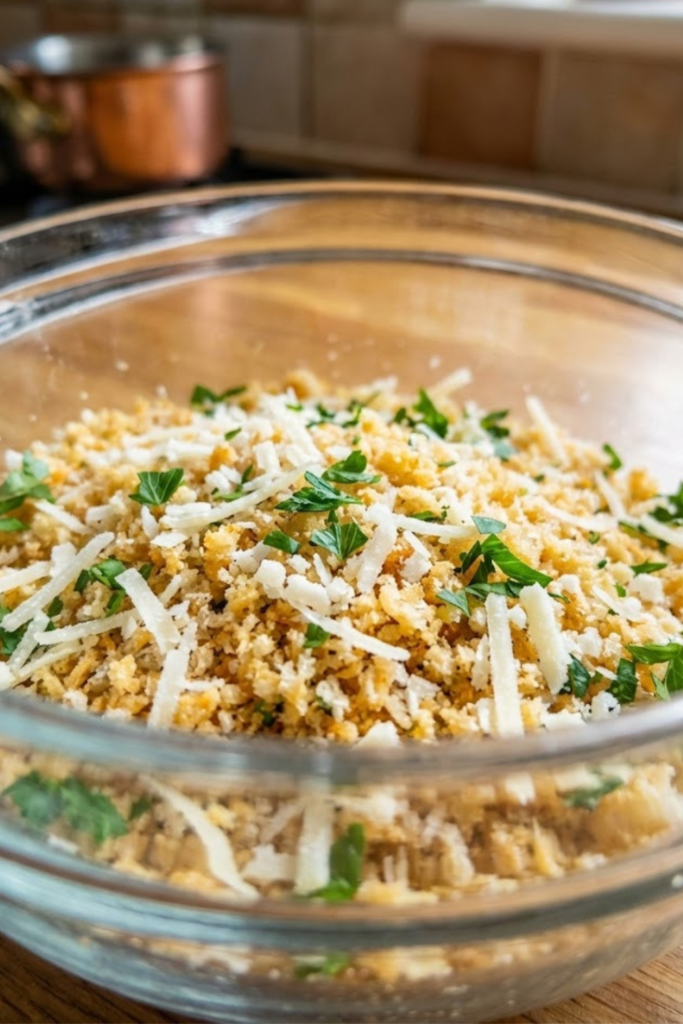
How to Make Crispy Parmesan Crusted Baked Salmon
I used to treat cooking instructions like “suggestions.” If a recipe told me to dry the meat, I’d roll my eyes and skip it. Who has time for that? Well, it turns out that skipping the prep work was exactly why my crispy parmesan crusted baked salmon was turning out soggy. I learned this the hard way when I served a dinner party what looked like fish soup instead of a roasted fillet. It was humiliating.
The process isn’t hard, but you have to follow the steps in order, or physics will work against you.
Step 1: The Paper Towel Trick
This is the most critical step that beginners skip. When you take the salmon out of the package, it is slimy and wet. If you put a crust on top of moisture, that moisture turns to steam in the oven. Steam kills crispiness.
You have to take a few paper towels and pat the fillets down until they are bone dry.
I mean really dry. The surface should feel tacky, not slippery. This was the turning point for me. Once I started patting the salmon dry, the texture changed completely. It allowed the outside to sear and brown rather than just steam in its own juices.
Step 2: The Sticky Layer
Now, you need a binder. I used to try balancing the crumbs on top like a house of cards. Spoiler alert: they fell off. You need a glue.
I personally love using a mix of mayonnaise and Dijon mustard.
Don’t make a face at the mayo! It’s mostly oil and egg, which fats love fish. I brush a thin layer over the top of the dry fillet. The mustard adds a little tang that cuts through the richness, and the mayo keeps the meat moist. If you are totally anti-mayo, melted butter works, but it’s a little trickier to work with because it hardens as soon as it touches the cold fish.
Step 3: The Press
Here is where you can’t be shy. When I first started, I would sprinkle the panko mixture on like fairy dust. It looked pretty, but it fell off the second I moved the spatula.
You need to pile that mixture on and press it down with the back of a spoon or your hand.
Pack it on there. You want a solid layer that feels like part of the fish, not just a garnish. I usually do this right on the baking sheet lined with parchment paper. Trust me, use the parchment paper. Baked-on cheese is a nightmare to scrub off a metal pan, and I have ruined enough manicures trying to scrape it off.
Once the fish is prepped, don’t let it sit around. Get it into that hot oven immediately so the breadcrumbs start crisping up before the binder has a chance to make them soggy. It’s a race against the clock, but you’ll win.
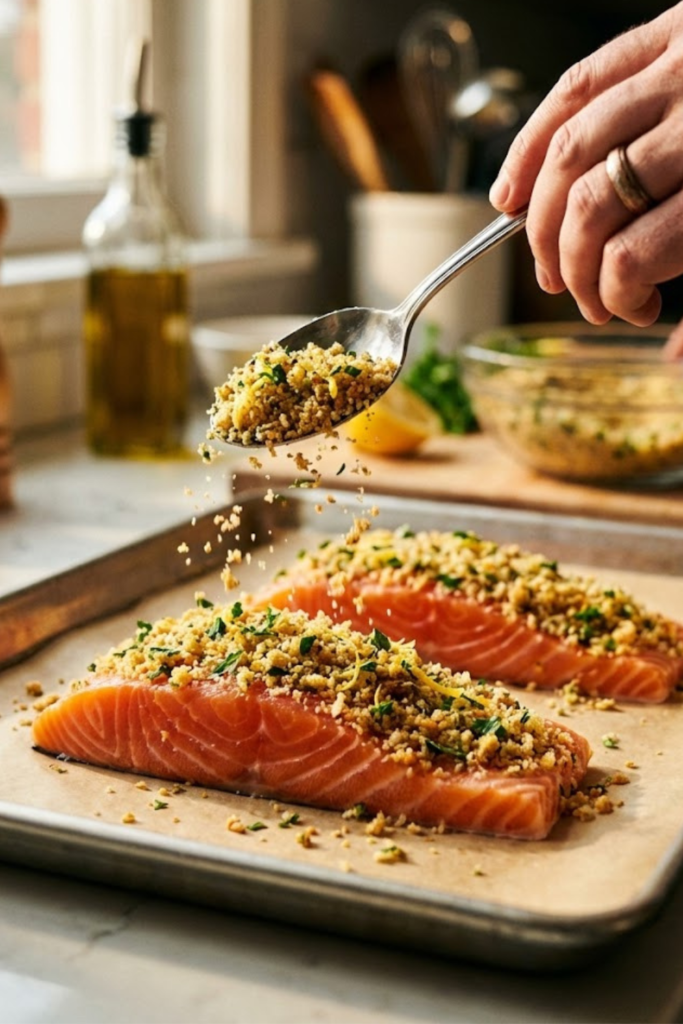
Baking Time and Temperature Guide
I used to play a dangerous game with my oven. I’d shove the pan in, guess a random time, and hope for the best. Usually, I ended up hovering by the oven door, squinting through the greasy glass, trying to use telepathy to tell if the fish was done. Spoiler: telepathy doesn’t work on salmon.
The difference between melt-in-your-mouth perfection and “cat food texture” is often just a matter of two or three minutes.
The Sweet Spot: 400°F
For the longest time, I was afraid of high heat. I thought I would burn everything. But for cooking salmon in oven, you need that higher temperature.
I bake my salmon at 400°F (200°C).
Here is why: if you cook it too low, like at 350°F, the fish takes forever to cook. By the time the center is done, the outside is dry, and that beautiful parmesan cheese crust is soggy because it didn’t get blasted with enough heat to crisp up. High heat seals the deal quickly.
Timing is Everything (Almost)
The general rule of thumb I follow is about 12 to 15 minutes for a standard fillet. But—and this is a big but—salmon thickness varies wildy. A thick center-cut piece might need 15 minutes, while a thin tail piece is done in 10.
I learned to check it early. Nothing tragic happens if you open the door at the 10-minute mark to peek. If the golden brown crust looks pale, give it more time.
The Thermometer Is Your Best Friend
If you take one piece of advice from me today, let it be this: buy a digital meat thermometer. It costs like $15 and it saved my dinner more times than I can count.
The FDA says the safe internal temperature for salmon is 145°F (63°C).
However, I’m going to be honest with you. If you pull it out at 145°F, it will be well-done. I prefer to pull mine out right around 135°F (57°C). The heat stored in the fish keeps cooking it for a few minutes after you take it out of the oven (chefs call this “carryover cooking”). If you wait until it hits 145°F inside the oven, it’ll likely be over 150°F by the time you eat it, which equals dry fish.
The Broil Finish
Sometimes, the fish is cooked perfectly, but the crust just isn’t crispy enough yet. This used to drive me nuts.
The solution? Switch your oven to “Broil” for the last 60 to 90 seconds.
Watch it like a hawk! Seriously, don’t walk away to check your phone. Breadcrumbs go from “beautifully golden” to “burnt charcoal” in about 10 seconds under the broiler. Once you see that deep golden color, yank it out immediately.
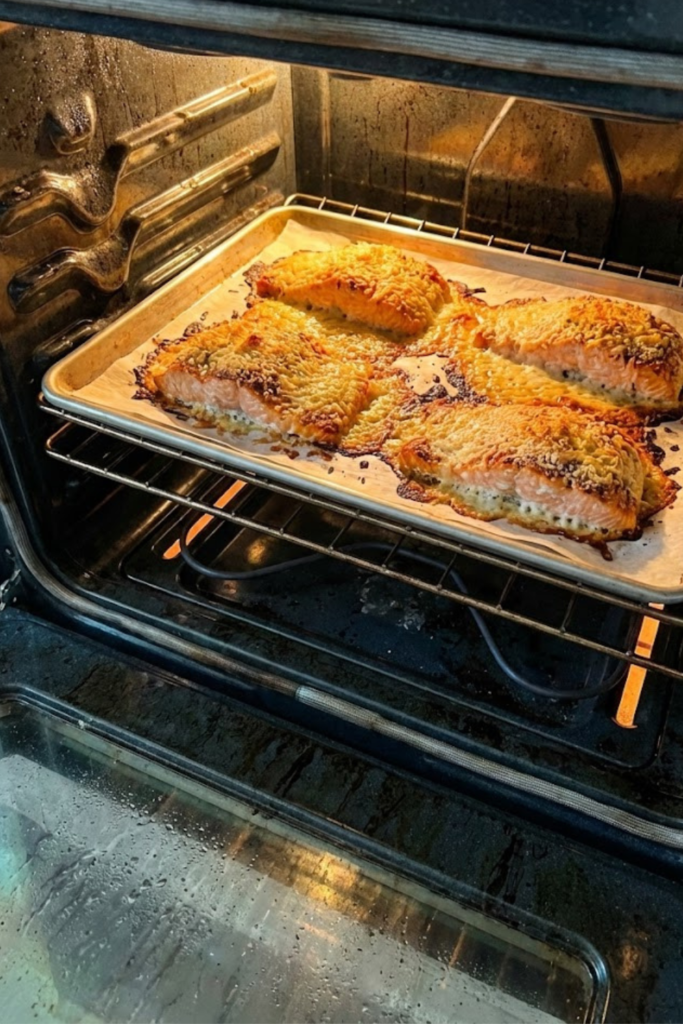
Serving Suggestions and Side Dishes
I used to treat side dishes as a total afterthought. I’d spend all my energy making the perfect main dish, only to realize five minutes before dinner that we had absolutely nothing to go with it. I’d usually end up microwaving a sad bag of frozen peas in a panic. My family would look at the beautiful, golden fish, then at the wrinkly peas, and just sigh. It was a total letdown.
The truth is, the best side dishes for salmon are the ones that don’t compete with it.
You want something that cuts through the richness of the cheese and the fatty fish. You don’t want a heavy, creamy pasta sitting next to this. It’s just too much dairy on one plate.
The Green Stuff
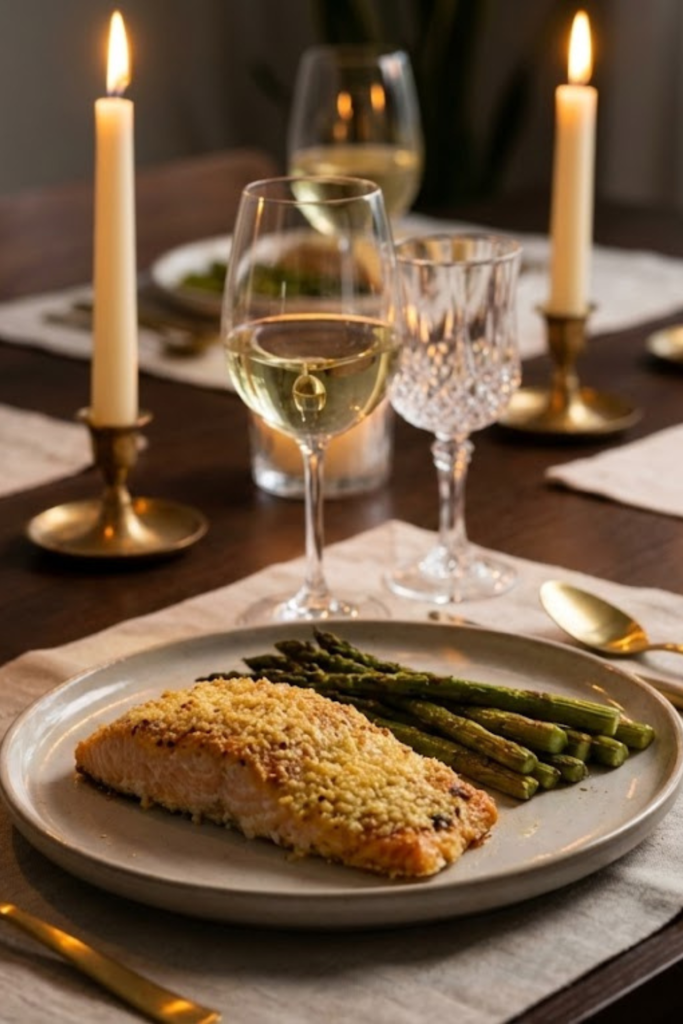
My absolute favorite pairing is roasted asparagus. Why? Because I’m lazy. You can actually throw the asparagus on the same baking sheet as the salmon.
It absorbs some of that garlic butter runoff, and it is divine. Just toss the spears in a little olive oil and salt, and arrange them around the fish. If asparagus isn’t in season, garlic green beans or quick sautéed spinach work wonders. You really need that pop of fresh green to balance out the plate visually. Brown fish on a white plate looks boring, and we eat with our eyes first, right?
Carbs Are Friends
For the starch, I used to do mashed potatoes, but I found the texture was too mushy alongside the soft fish. You need contrast.
I now swear by lemon herb rice or fluffy quinoa.
The citrus in the rice echoes the lemon zest in the crust, tying the whole meal together. It’s a small detail, but it makes you look like a culinary genius.
I remember trying to roast potatoes with the salmon once to save time. Huge mistake. The fish was perfect, but the potatoes were still hard as rocks. I crunched into one and thought I broke a tooth. Lesson learned: if you want roasted baby potatoes, start them in the oven about 20 minutes before the fish goes in.
What to Drink?
Okay, I am definitely not a wine expert. I usually buy whatever bottle has a cute animal on the label. But I have learned the hard way that a heavy red wine tastes terrible with this dish. It makes the fish taste metallic and weird.
You want a crisp white wine, like a Sauvignon Blanc or a Pinot Grigio.
The acidity in the wine acts like a palate cleanser, washing away the oiliness of the salmon so every bite tastes fresh. If you aren’t drinking alcohol, a sparkling water with a big wedge of fresh lemon does the exact same thing. It’s all about balance. Don’t overthink it; the fish is the star of the show, and the sides are just there to make it look good.
Here is the next section. I’ve focused on saving you from the heartbreak of ruining good food!
Storing and Reheating Leftovers
I used to treat leftovers like a sad consolation prize. You know, the lunch you eat standing over the sink because you don’t want to dirty a plate? But when it comes to this recipe, I actually look forward to the leftovers—if I don’t ruin them first.
And believe me, I have ruined them.
The Microwave of Shame
We need to have a serious talk about the microwave. I know it’s convenient. I know it’s sitting right there on the counter, begging to be used. But for the love of food, do not microwave this salmon.
I did this once at my old office job. Not only did I become “that person” who made the entire breakroom smell like a fish market (sorry, coworkers!), but the texture was awful. The microwave nukes the moisture right out of the fish, turning it into rubber. Even worse, it turns that beautiful, crispy parmesan crust into a soggy, hot mess. It was heartbreaking.
How to Store It Properly
Before we worry about reheating, we have to store it right. I used to just throw the plate in the fridge with a piece of foil over it. Bad idea. The air circulates and dries out the fish overnight.
You need a good airtight container.
I gently place the fillets in the container once they have cooled down completely. Don’t put them in hot, or the steam will get trapped and make the crust mushy before you even wake up the next morning. It will stay good in the fridge for up to 3 days, but honestly, it rarely lasts that long in my house because I usually eat it cold right out of the box for breakfast. Don’t judge me until you try it!
The Best Way to Reheat
If you want that crunch back, you have to use dry heat. You have two good options here.
1. The Oven Method: This is the most reliable way. I preheat my oven to a lower temperature than I cooked it at—usually around 350°F (175°C). I place the salmon on a baking sheet and cover it loosely with foil for about 5 minutes to warm the center, then remove the foil for the last 2 minutes to crisp up the top. It takes a little patience, but it restores that restaurant style salmon texture.
2. The Air Fryer Miracle: If you have an air fryer, this is actually the superior method for reheating baked salmon. It’s faster and crisps the panko better than the oven. I set mine to 350°F and pop the fillet in for just 3 or 4 minutes. It comes out sizzling and tastes almost exactly like it did when it was fresh.
A Note on Freezing
I am a huge fan of freezer meals, but this is not one of them. I once tried to freeze a batch of cooked salmon to get ahead on meal prep. When I thawed it out, the texture of the meat had changed completely—it was watery and mushy, and the crust just slid off in a gross paste.
So, enjoy this fresh or from the fridge. Some things just aren’t meant to be saved for a rainy day.
Final Thoughts: No More Boring Fish
Making restaurant quality seafood at home doesn’t have to be intimidating. If I can go from serving dry, sad fish that my kids wouldn’t touch to making this crispy parmesan crusted baked salmon, then you can absolutely do it too.
It really just comes down to trusting the process. Remember the golden rules we talked about:
- Pat that fish dry (seriously, don’t skip it).
- Don’t fear the mayo binder.
- Bake it hot and fast at 400°F.
This recipe proves that you don’t need a culinary degree or hours in the kitchen to put a healthy dinner on the table that actually tastes indulgent. It’s become a weekly staple in my house because it checks every box: it’s fast, it’s foolproof, and it’s delicious.
So, the next time you are staring at a package of salmon at the grocery store, don’t walk past it. Grab it, grab some panko, and get ready to impress yourself.
Save This Recipe!
Did you love this recipe? Please take a second to pin this to your “Healthy Dinners” or “Seafood Recipes” board on Pinterest! It helps other home cooks find the recipe and saves you from frantically searching for it the next time the craving hits.