Have you ever stared at a restaurant taco salad, marveling at that giant, crispy shell, and thought, “I bet I could eat three of these”? I certainly have! There is something magically nostalgic and satisfying about edible dinnerware. Welcome to your new favorite weeknight warrior: Chicken Fajita Tortilla Bowls. We aren’t just tossing chicken on lettuce here; we are crafting a full texture explosion!
Crafting the Perfect Crispy Tortilla Shells Without Frying
Look, I used to think getting that restaurant-style bowl shape was some kind of wizardry that required a deep fryer and a degree in engineering. I remember the first time I tried to make homemade taco bowls; I tried to balance a tortilla on a rack and it just drooped through the wires like a sad, wet towel. It was tragic. But after a lot of trial and error (and a few burnt edges), I figured out how to get that crunch without the gallons of oil.
Choosing Your Tortilla Wisely
Here is a lesson I learned the hard way: do not try this with corn tortillas unless you want a bowl full of crumbs. Corn tortillas are delicious, but they just don’t have the gluten structure to hold a bowl shape without snapping. You really need large, burrito-sized flour tortillas.
I usually grab the “soft taco” size if I want smaller portions, but the big burrito ones make for a proper dinner. Make sure they are fresh! Old tortillas crack when you bend them, and nobody wants a leaky bowl for their chicken fajita recipe.
The “No-Fancy-Equipment” Mold Method
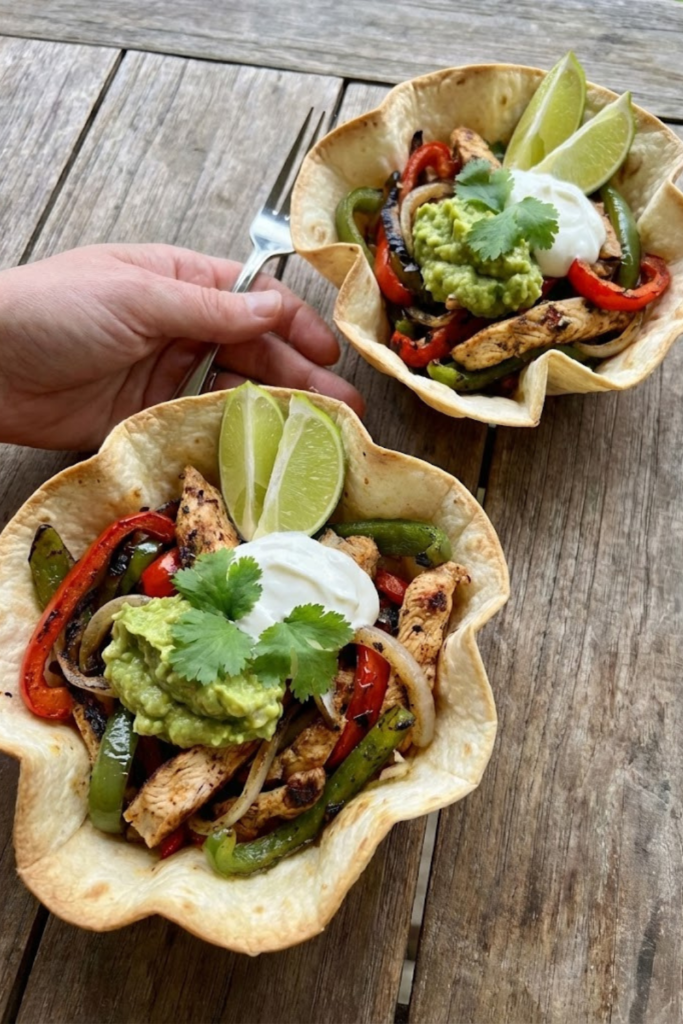
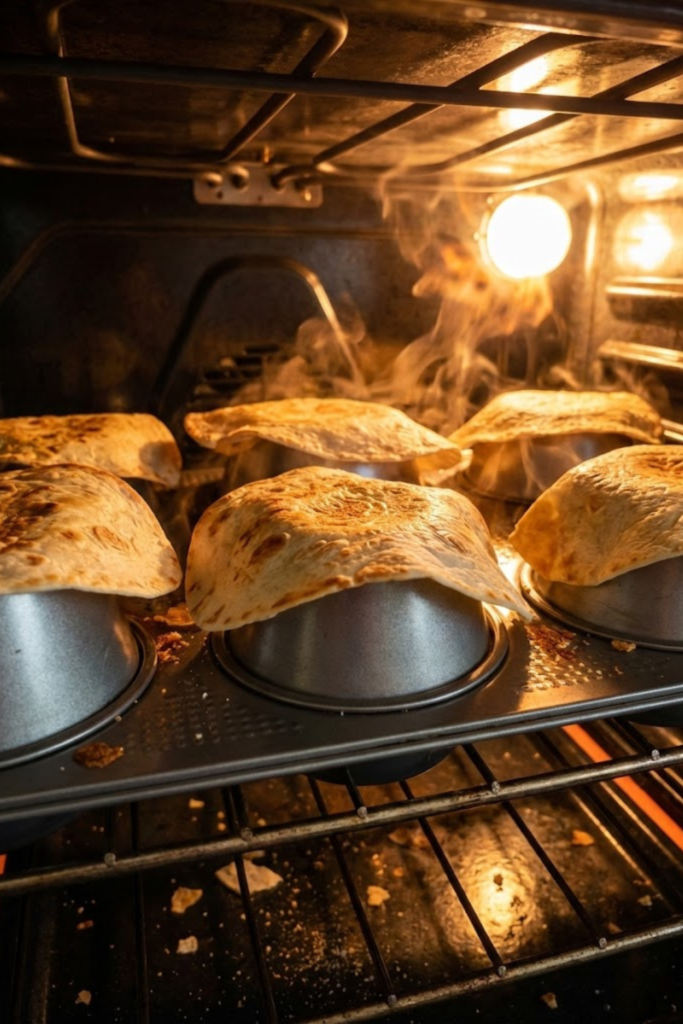
You might think you need those specific “tortilla bowl makers” sold on TV. Spoiler: you don’t. My favorite hack is actually using what is already in the cupboard. I flip a muffin tin upside down and nestle the tortillas in between the cups. It creates a cool, wavy flower shape that looks super fancy on the plate.
If you want a deeper bowl, just use large oven-safe ramekins or even balls of aluminum foil. Simply invert the ramekin on a baking sheet and drape the flour tortillas over it. Just be careful when you take them out—those ramekins hold heat like crazy!
Oil and Seasoning: The Flavor Glue
Dry tortillas bake into hard crackers, not crispy shells. You need a little fat. I lightly brush both sides with olive oil or avocado oil. Don’t drench it, just a light coat is enough.
Then, hit it with flavor immediately. I sprinkle a little chili powder and salt right on the oil so it sticks. This adds a layer of flavor to the baked tortilla shells that store-bought ones are totally missing.
The Sweet Spot for Baking
Preheat your oven to 375°F (190°C). I’ve found that 400°F burns the tips before the bottom is crisp. Pop them in for about 10 to 12 minutes. Keep an eye on them after the 8-minute mark because they go from “perfectly golden” to “burnt toast” in a blink.
When you take them out, let them cool on the mold for a few minutes. They firm up as they cool down. Trust me, waiting those five minutes is the hardest part, but it ensures your crispy flour tortillas don’t collapse when you load them up.
The Secret to Juicy Fajita Chicken Marinade
For the longest time, my homemade fajitas were just… okay. I would buy those little paper packets of “fajita mix” from the store, dump them on some chicken, and wonder why it tasted like a salt lick. It wasn’t until I started making my own marinade that I realized what I was missing. Real flavor isn’t just salt; it’s about balance.
Ditch the Packet, Grab the Spices
Making your own fajita seasoning blend is cheaper and tastes a million times better. I used to be intimidated by mixing spices, thinking I’d mess up the ratios. But honestly? It’s hard to ruin.
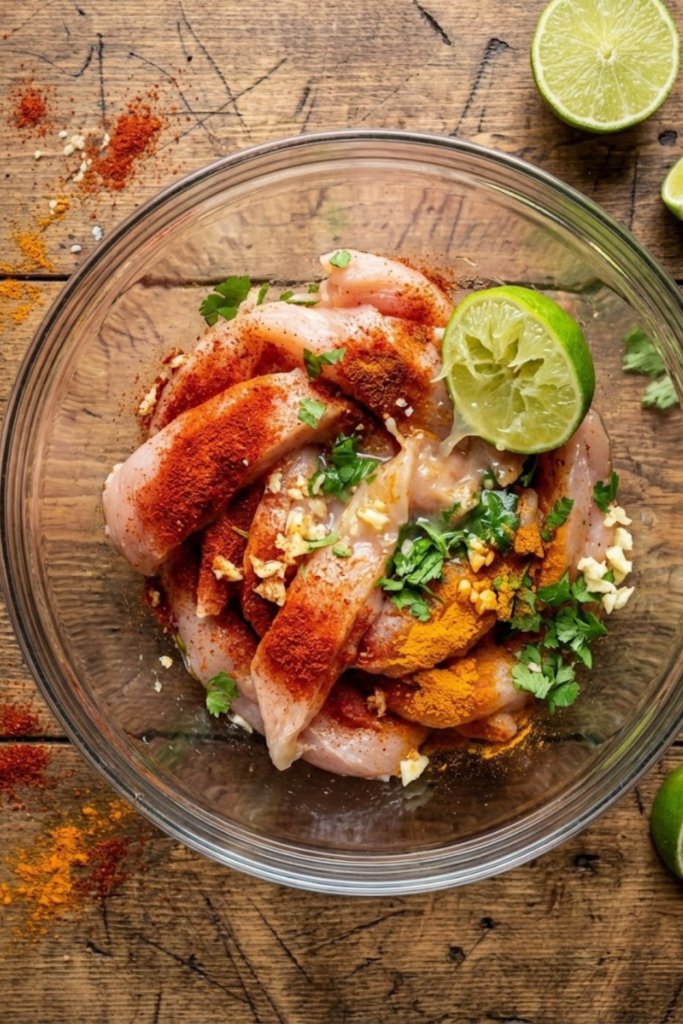
My go-to mix always starts with a heavy hand of cumin and smoked paprika. That smokiness is essential. I add garlic powder, onion powder, and a little cayenne if I’m feeling brave. When you mix this with oil, it creates a paste that clings to the marinated chicken breast, creating a crust that store-bought powder just can’t achieve.
The Acid Trap (Don’t Overdo It!)
Here is a mistake I made way too many times: leaving the chicken in lime juice overnight. I thought, “More time equals more tenderness, right?” Wrong.
Acid actually cooks the meat chemically if you leave it too long, turning your chicken into a mushy, mealy disaster. It was heartbreaking to grill up a batch only to have the texture feel completely wrong. Now, I add fresh lime juice right before I cook, or I keep the marinating time under two hours. This gives you that zesty lime chicken flavor without ruining the meat’s texture.
Breasts vs. Thighs: The Great Debate
I know everyone leans toward chicken breasts because they are leaner. I get it. But let’s be real for a second—chicken thighs are where the flavor lives. They are way more forgiving if you accidentally leave them in the pan a minute too long.
If you are strictly using chicken breast, you have to watch it like a hawk. I usually pound the breasts flat so they cook evenly. This helps them stay juicy and prevents that dreaded dry, rubbery texture.
Timing is Everything
You don’t need to plan this days in advance. In fact, I’ve found that the best fajita marinade works its magic in just about 30 minutes on the counter while I prep the veggies. It’s perfect for those chaotic weeknights when you forgot to defrost dinner until 5 PM.
Just toss everything in a bag, squish it around, and let it sit. By the time your oven is hot for the shells, that chicken is ready to go. It’s a total game changer for flavor.
Sautéing Peppers and Onions for Maximum Sweetness
I used to treat the veggies as an afterthought. You know, just something healthy to toss in so I didn’t feel bad about eating a pound of cheese. My peppers used to come out watery and limp, basically steamed to death in the pan. It was gross. But then I learned that the vegetables can actually be the star of the show if you treat them right.
The Cast Iron Difference
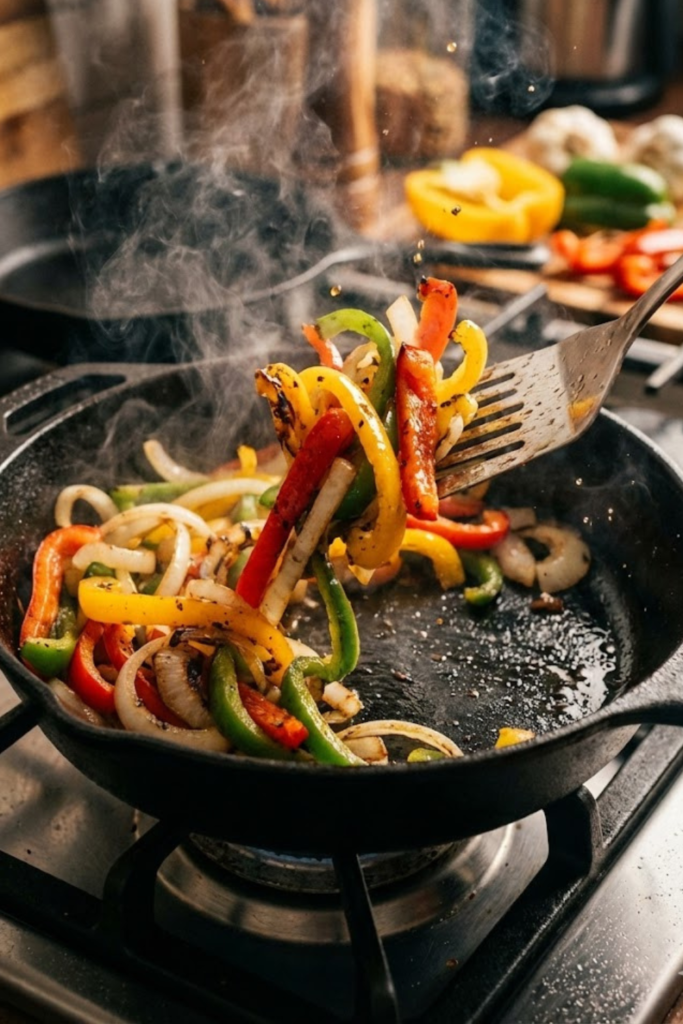
If you don’t have a heavy pan, you need one. Seriously. Using cast iron skillet cooking changed my life. When I used a thin, non-stick pan, the temperature would drop the second I threw the veggies in. Instead of sizzling, they would just… sweat.
You want that pan screaming hot. I mean, open a window because the smoke alarm might go off hot. That high heat is the only way to get that charred, smoky flavor on your fajita veggies that makes them taste like they came from a restaurant grill.
The Slice Matters
I am not the most patient chopper in the world. I used to hack at the peppers wildly, ending up with some giant chunks and some tiny slivers. Big mistake. The tiny pieces would turn to mush while the big chunks were still raw.
Now, I try to slice my bell peppers and onions into uniform strips. It doesn’t have to be perfect—we aren’t building a rocket here—but keeping them similar in size means they cook at the same rate. Plus, it just looks prettier in the bowl.
Don’t Crowd the Party
Here is where I always messed up. I would dump all the veggies into the pan at once because I was hungry and impatient. But when you crowd the pan, the moisture gets trapped. You end up steaming your food instead of searing it.
I learned to cook in batches if I have to. It takes a few extra minutes, but the difference in texture is huge. You want the onions to get sweet and jammy, and the peppers to stay just a little bit crisp. That texture contrast is crucial for sautéed vegetables.
The Deglazing Trick
After you cook the chicken, there is usually this brown, sticky stuff stuck to the bottom of the pan. I used to scrub it off in the sink. Tragedy! That is called “fond,” and it is pure flavor gold.
Now, right before the veggies are done, I splash a little water or lime juice into the hot pan. It sizzles up and lifts all those brown bits, coating the peppers and onions in a savory glaze. It makes your charred veggies taste meaty and rich without adding anything extra.
Assembling and Topping Your Fajita Bowls
I used to treat assembly like a race. I would just shovel everything into the bowl as fast as possible because I was starving. The result? A soggy, collapsing mess that usually disintegrated before I could get it to the table. I vividly remember one dinner where the bottom of my bowl fell out, dumping hot chicken right into my lap. Not fun. I learned that building these taco salad bowls is actually a bit of an art form.
The Foundation Matters
Do not throw the juicy chicken directly onto the crispy tortilla. That is a rookie mistake I made for years. The juices run down instantly, and that beautiful crunch you worked so hard for is gone in seconds.
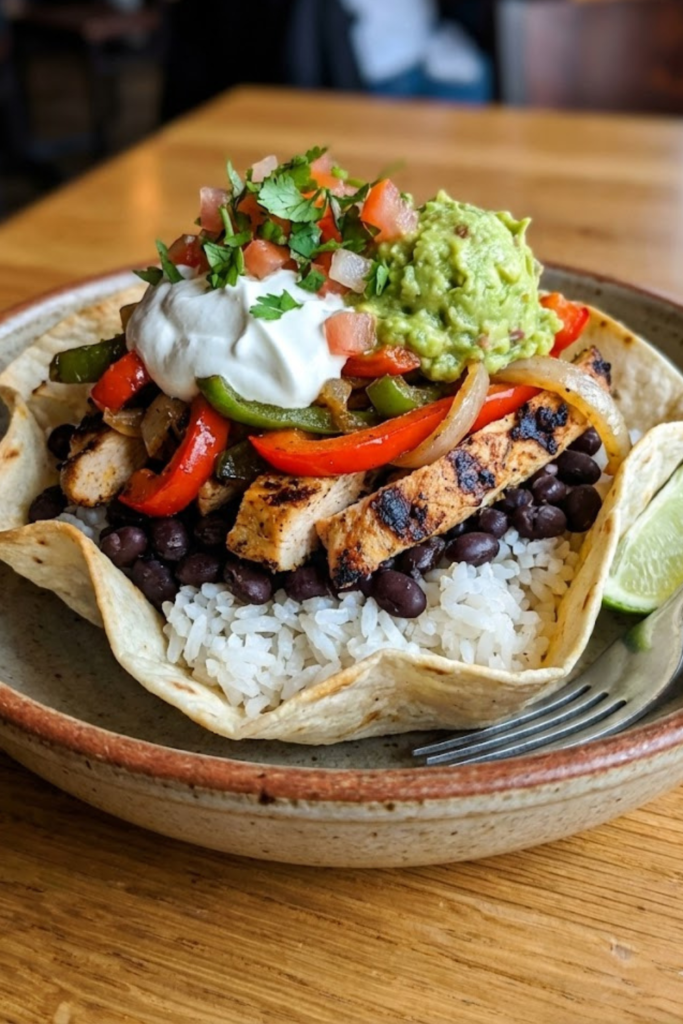
You need a buffer layer. I always start with a scoop of starch or greens at the very bottom. Cilantro lime rice is my favorite because it soaks up the flavorful juices without ruining the shell. If you are watching carbs and skipping the rice, a dense bed of shredded romaine lettuce works too, but dry the lettuce thoroughly first!
The Hot and Cold Contrast
The best part of restaurant style fajitas is that mix of temperatures. Hot meat, cold toppings. It wakes up your taste buds.
I like to pile the steaming chicken and peppers on one side, then hit the other side with the cold stuff immediately before serving. Don’t let the fresh pico de gallo sit on the hot meat for ten minutes while you set the table. It gets warm and weird. Keep the cold stuff in the fridge until the very last second.
Guac is Extra (But Necessary)
Is it even a fajita bowl without avocado? I don’t think so. I used to just slice avocado, but it slides around too much when you are trying to get a forkful.
Now, I always mash it up for a quick guacamole recipe. It acts like a glue that holds the other toppings in place. Plus, the creaminess cuts through the spice of the cayenne pepper perfectly. If you don’t have time to mash, distinct avocado toppings or cubes are fine, just season them with a little salt so they aren’t bland.
The Drizzle, Don’t Dollop
Here is a visual trick that makes you look like a pro chef. Don’t just plop a giant spoonful of thick sour cream in the middle. It looks messy and you get huge globs in one bite and none in the next.
I like to thin out my sour cream (or a sour cream substitute like Greek yogurt) with a teaspoon of water or lime juice. Then I can drizzle it back and forth over the whole bowl. If I’m feeling fancy, I’ll whip up a quick chipotle lime sauce for an extra kick. It ensures every bite has a little bit of creamy goodness.
Final Touches
Don’t forget the garnish! I used to skip this step, thinking it was just for looks. But a sprinkle of fresh cilantro and a squeeze of lime right at the end brightens the whole dish up. It adds that fresh “pop” that heavy comfort food needs.
Better Than Takeout (And Cheaper, Too)
Honestly, once you master these Chicken Fajita Tortilla Bowls, you might just break up with your local takeout spot. It is wild how something so simple—flour, chicken, peppers—can taste this complex when you just treat the ingredients right. I still burn a shell occasionally (nobody’s perfect!), but the result is always worth the slightly messy kitchen.
Whether you are looking for a healthy chicken dinner that doesn’t taste like cardboard or just want to impress your friends without hiring a caterer, this recipe delivers. The crunch of the baked shell mixed with that spicy, juicy chicken is just unbeatable. Plus, you get to control exactly what goes in it. No hidden sodium bombs here! So, grab your skillet, turn up the music, and enjoy the process. Dinner is served.
Call to Action
Did this recipe inspire your next Taco Tuesday? Don’t let this recipe get lost in the internet void! Pin this to your Healthy Dinner Ideas board on Pinterest so you can find it whenever the craving hits.